





The Anticipated Arrival
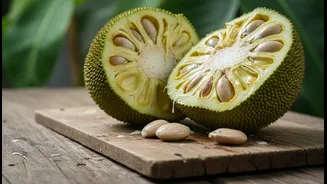
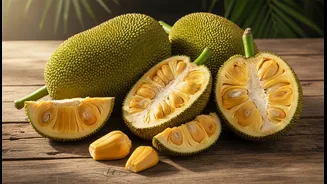
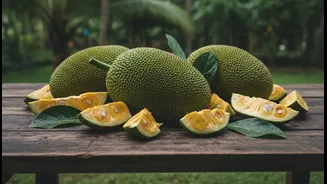
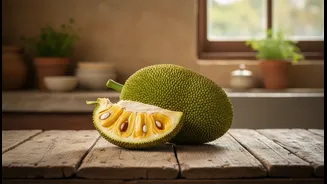
In India, the arrival of certain foods signals a change in season, and kathal is a prime example. Typically available from spring through summer, its appearance in bustling markets brings a sense of excitement. This large, spiky green fruit, which can
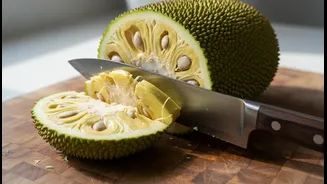
weigh several kilograms, has been a part of Indian cuisine for thousands of years. Known as 'Chakka' in Kerala and 'Panasa' in Telugu, its presence is a promise of hearty family meals, from everyday sabzis to celebratory biryanis. The effort of prepping the fruit, often a family affair involving oiled hands and sharp knives, is a ritual in itself, building anticipation for the delicious dishes to come.
The Culinary Chameleon
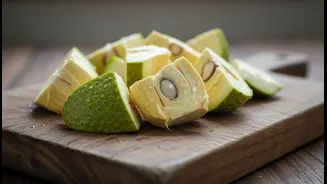
Perhaps kathal’s greatest strength is its incredible versatility. When unripe, its fibrous, dense texture and neutral taste make it a fantastic canvas for spices. This is the form used to make the classic 'kathal ki sabzi', a staple in North Indian homes where the chunks are often fried and simmered in a rich, spicy gravy of onion and tomato. In Bengal, it becomes 'Enchorer Dalna', a lighter curry with potatoes. Its uncanny resemblance to pulled meat when cooked has also made it the star of vegetarian biryanis and pulaos, absorbing the aromatic spices to create a dish that satisfies both vegetarians and meat-eaters alike. This 'vegetable meat' quality has long been understood in Indian kitchens, centuries before it became a global vegan trend.
A Powerhouse of Nutrition
Beyond its culinary appeal, kathal is packed with health benefits. It is an excellent source of dietary fibre, which aids digestion and promotes gut health. The fruit is rich in essential vitamins and minerals, including Vitamin C, which boosts immunity, and potassium, which helps regulate blood pressure and supports heart health. Despite its size and satisfying nature, kathal is relatively low in calories and fat, making it a great option for weight management. It also contains antioxidants that help fight inflammation and protect the skin. Even its seeds are edible and nutritious when cooked.
A Taste of Tradition and Nostalgia
For many, the smell of kathal cooking is the smell of home. It evokes memories of mothers and grandmothers skillfully transforming the bulky fruit into a family feast. This connection to heritage is deep-rooted; jackfruit is mentioned in ancient texts and holds cultural significance across the country. In some regions, it is considered a sacred fruit and used in religious offerings. Sometimes called the "poor man's food" for its affordability and ability to feed many, it has nourished generations. Its role as a staple, especially in states like Kerala where it is the official state fruit, cements its status not just as food, but as a cultural touchstone.
The Modern Kathal
While kathal is a traditional food, it is also finding new relevance in modern Indian kitchens. Its global rise as a popular vegan meat substitute has inspired a new generation to experiment with it. You can now find it in everything from tacos and sandwiches to kebabs. This renewed interest ensures that traditional recipes are preserved while new ones are created, blending heritage with contemporary tastes. The humble kathal, once a simple backyard fruit, has proven its staying power, bridging the gap between nostalgic family meals and the future of food.