




The Unkillable ZZ Plant
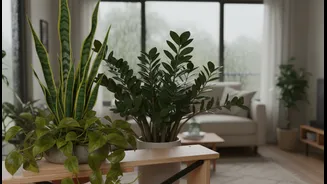
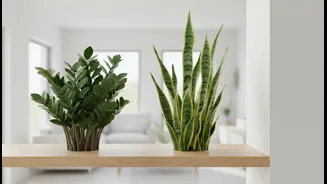
The Zamioculcas zamiifolia, or ZZ Plant, is a champion for beginners and busy individuals. Its glossy, waxy leaves not only look stylish but are also excellent at retaining water, meaning it thrives on neglect. During the humid monsoon, its water needs
are even lower, often requiring a drink only once every two to three weeks. The ZZ plant is perfectly happy in the lower light conditions common on cloudy July days, making it ideal for apartments and offices that don't receive much direct sun. Its slow-growing nature means it will stay compact for a long time, fitting perfectly on a desk or a small shelf.
The Hardy Snake Plant
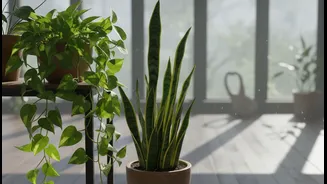
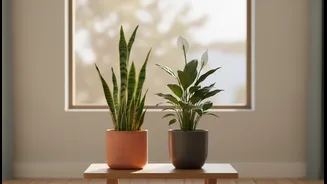
The Snake Plant (Sansevieria) is practically indestructible and a top choice for Indian homes. Its upright, architectural leaves add a modern touch to any room. Like the ZZ Plant, it's a succulent that stores water, making it highly tolerant of infrequent watering—a major advantage during the damp monsoon season when overwatering is a common mistake. It adapts well to a wide range of light conditions, from bright, indirect light to dim corners, which is perfect for the fluctuating sunlight in July. This plant is also celebrated for its air-purifying qualities, even releasing oxygen at night.
The Versatile Money Plant (Pothos)
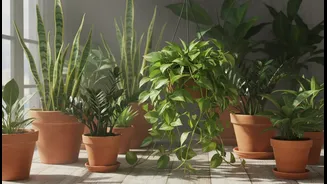
No list of Indian indoor plants is complete without the Money Plant (Epipremnum aureum or Pothos). It is incredibly forgiving and thrives in the high humidity of the monsoon season. This trailing plant is versatile; you can let it cascade from a hanging basket or train it to climb. It prefers indirect light and only needs watering when the top layer of soil feels dry. Its resilience in various light conditions and its ability to grow in both soil and water make it a staple for beginners. Plus, it’s known for being a great air purifier, helping to keep indoor air fresh when windows are closed during heavy rains.
The Elegant Peace Lily
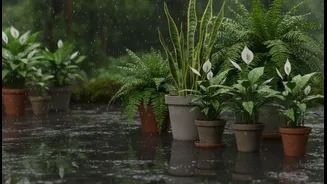
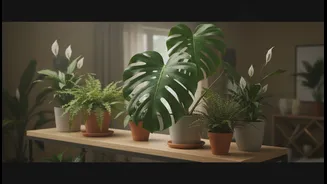
For those who want a small plant that also flowers, the Peace Lily (Spathiphyllum) is an excellent choice. It loves humidity and adapts well to low-light spaces, making it one of the best indoor plants for the monsoon. The extra moisture in the air during July helps keep its leaves green and encourages its elegant white blooms. One of its most user-friendly features is its tendency to droop slightly when it needs water, taking the guesswork out of your care routine. Peace Lilies are also effective at improving indoor air quality, reportedly helping to reduce mould spores that can be common in damp weather.
The Cheerful Spider Plant
The Spider Plant (Chlorophytum comosum) is a fast-growing and adaptable plant that is perfect for new plant parents. It thrives in the humid conditions of the monsoon and its arching leaves bring a cheerful vibe to any space. Spider plants prefer bright, indirect light but are quite tolerant of lower light levels. They like their soil to be kept moist but not soggy, so it's important to check the soil before watering, especially during the rainy season. A great feature of this plant is its ability to produce small 'spiderettes' or baby plants, which can be easily repotted.
The Colourful Aglaonema
The Chinese Evergreen, or Aglaonema, is prized for its beautifully patterned leaves, which often feature shades of silver, pink, or red. This plant is a tropical native, so it naturally loves the warm and humid conditions provided by the Indian monsoon. It's known for being tolerant of low light and irregular care, making it a reliable choice for darker corners of your home. Its vibrant foliage can brighten up any room, offering a splash of colour on gloomy, rainy days. Water it when the top few inches of soil are dry, and it will remain a stunning, low-fuss addition to your collection.