




Citrus: The Vitamin C Classic
When you think of immune support, you probably think of Vitamin C—and for good reason. This essential nutrient is a powerful antioxidant that helps encourage the production of white blood cells, which are key to fighting off infections. And when it comes
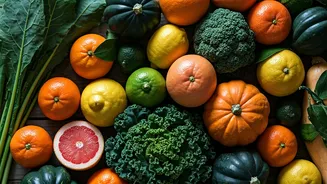
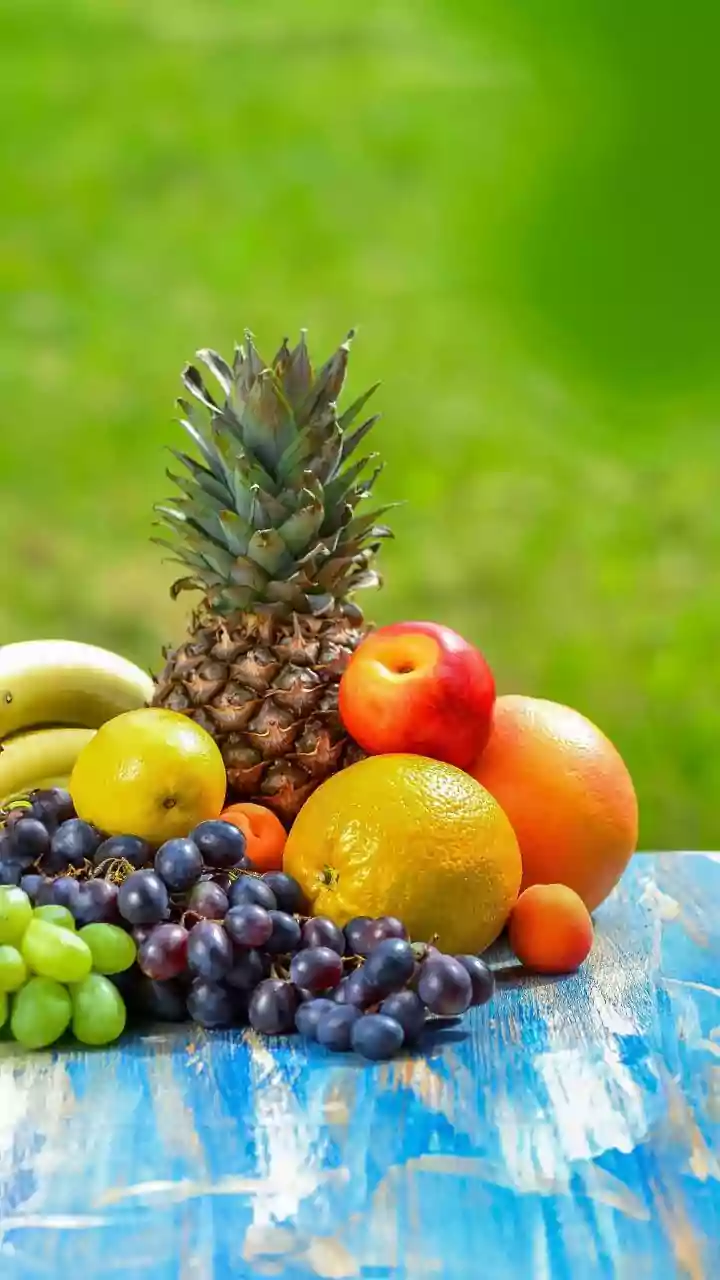
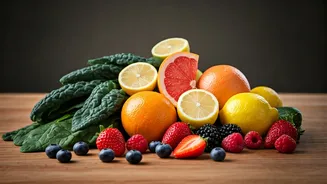
to Vitamin C, citrus fruits are the undisputed champions. Oranges, grapefruits, clementines, lemons, and limes are all fantastic sources. A single medium-sized orange can provide nearly all of your recommended daily intake. Because our bodies don't produce or store Vitamin C, a regular supply from our diet is crucial for maintaining a healthy immune response. A glass of fresh-squeezed juice is nice, but eating the whole fruit gives you the added benefit of fiber, which supports gut health—another cornerstone of a strong immune system.
Berries: The Antioxidant Powerhouses
Don't let their small size fool you; berries are nutritional giants. Blueberries, in particular, are loaded with flavonoids, a type of antioxidant that can help support the respiratory tract's immune defense system. One study noted that people who ate foods rich in flavonoids were less likely to get an upper respiratory tract infection. Strawberries, raspberries, and blackberries are also excellent choices, bursting with Vitamin C and other protective compounds. Their deep, rich colors are a tell-tale sign of their high antioxidant content. They are perfect for adding to yogurt, oatmeal, or smoothies, making it easy to get a concentrated dose of immune-supporting goodness.
Kiwi: The Nutrient-Dense Dynamo
This fuzzy green fruit is a sleeper hit for immune health. While oranges get all the glory, kiwis are actually one of the most potent sources of Vitamin C available. In fact, a serving of kiwi provides well over the daily recommended amount. But it doesn't stop there. Kiwis are also a good source of other essential nutrients, including Vitamin K, Vitamin E, and potassium. They also contain antioxidants that help protect the body from oxidative stress. This combination of nutrients works synergistically to help keep your immune cells in top fighting shape. Plus, their unique sweet-tart flavor is a welcome addition to any fruit salad.
Papaya: The Tropical Helper
Another tropical fruit loaded with Vitamin C, a single large papaya can contain more than double your daily recommended amount. But its benefits extend beyond just one vitamin. Papayas also contain a digestive enzyme called papain, which has anti-inflammatory effects. Chronic inflammation can tax the immune system, so foods that help keep it in check are always a smart choice. Furthermore, papayas are a decent source of potassium, magnesium, and folate, all of which have supporting roles in overall health and, by extension, a well-functioning immune system. Look for one that's mostly yellow-orange and yields to gentle pressure.
Red Bell Peppers: The Surprise Contender
Here’s a fun fact that might win you a trivia night: ounce for ounce, red bell peppers contain significantly more Vitamin C than most citrus fruits. While we often treat them as vegetables in the kitchen, botanically, they are fruits. Beyond their impressive Vitamin C content, they are also a rich source of beta carotene. The body converts beta carotene into Vitamin A, which is critical for maintaining the health of your skin and mucous membranes—your body's first line of defense against invading germs. Roasting them brings out their sweetness, but eating them raw in a salad or with dip ensures you get the maximum nutritional punch.
Pomegranate: The Jewel-Like Protector
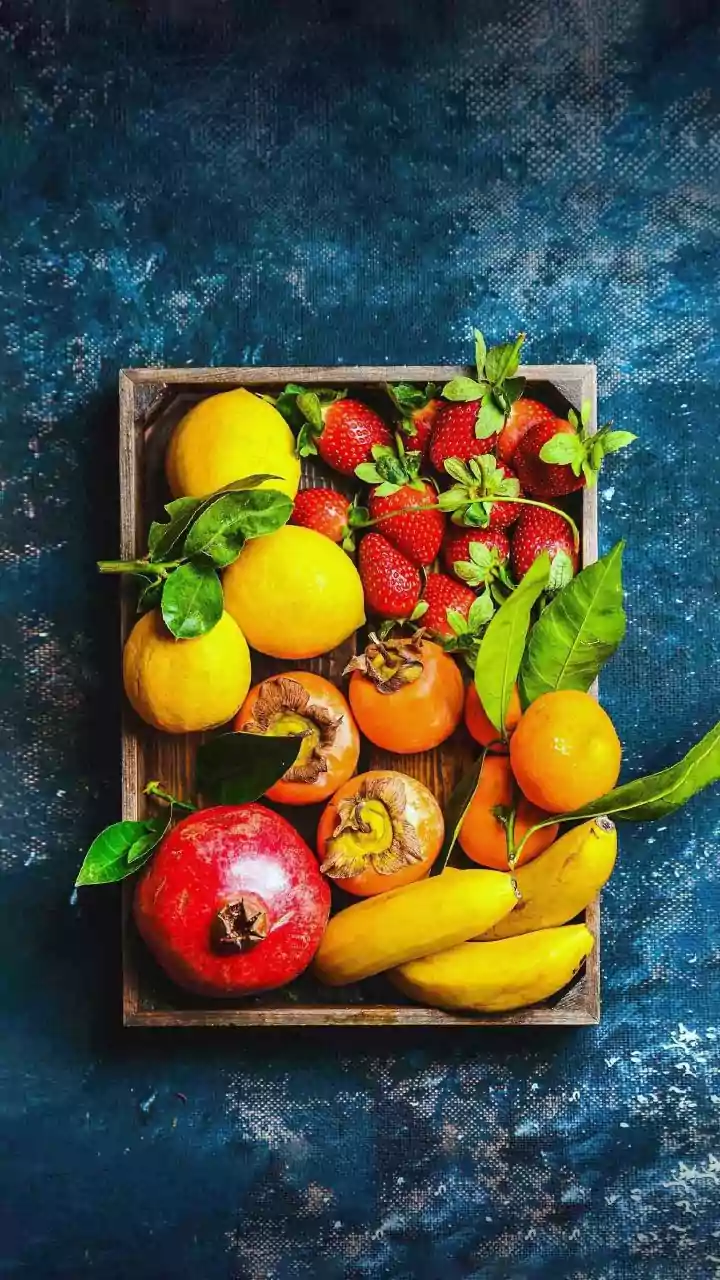
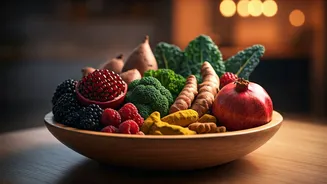
Pomegranates are packed with some of the most powerful antioxidants found in the food world, including punicalagins and anthocyanins. These compounds are incredibly effective at fighting off damage from free radicals and reducing inflammation throughout the body. Some studies suggest that pomegranate juice has antioxidant activity three times higher than that of red wine or green tea. The seeds, or arils, are not only delicious but also a good source of fiber and vitamins. While juicing them is a popular option, eating the arils whole provides the added benefit of fiber, making them a more complete and supportive choice for your overall health.