



The Stratosphere's Delicate Balance
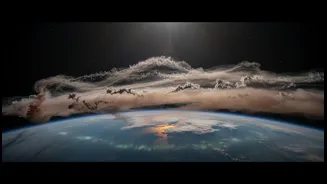
Tens of kilometers above the Earth's surface lies the stratosphere, a stable, dry layer of the atmosphere best known for housing the ozone layer, which protects us from the sun’s harmful ultraviolet radiation. For a long time, scientists considered this
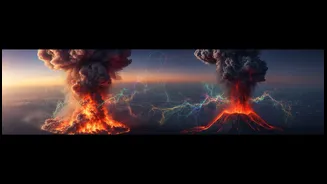
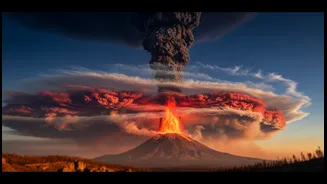
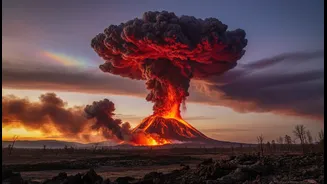
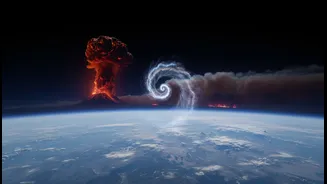
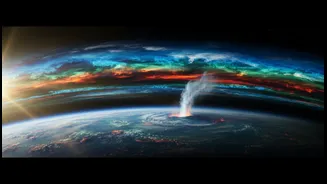
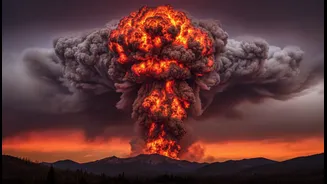
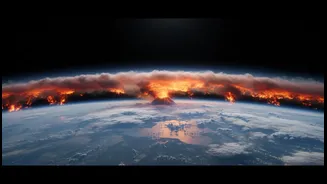
region relatively isolated from the weather and pollution of the troposphere below. However, recent, powerful events have shown that this boundary is more permeable than we thought. Massive volcanic eruptions and a new breed of intense, fire-generated thunderstorms are powerful enough to punch directly into this calm atmospheric layer, injecting materials that can linger for months or even years. These injections are not just smoke and ash; they are complex cocktails of chemicals and particles that trigger unexpected reactions, challenging our long-held assumptions about how the atmosphere works.
When Wildfires Create Their Own Weather
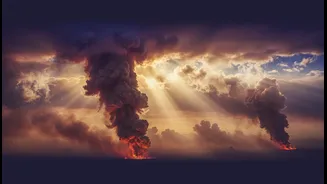
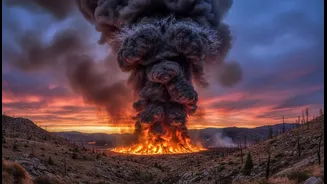
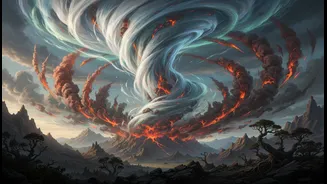
The increasing frequency and intensity of wildfires, a trend linked to climate change, has given rise to a terrifying phenomenon: pyrocumulonimbus clouds (pyroCbs). These are fire-fueled thunderstorms that can send smoke, black carbon, and other aerosols soaring into the stratosphere. The 2019-2020 Australian 'Black Summer' fires were a dramatic case study. They injected about a million tons of smoke particles into the stratosphere, a quantity comparable to a moderate volcanic eruption. Unlike volcanic aerosols which primarily reflect sunlight and cause cooling, this smoke behaves differently. The dark, black carbon particles are highly efficient at absorbing solar radiation, causing a significant warming of the stratosphere. This warming can persist for months and alter atmospheric circulation patterns. Furthermore, chemical reactions on the surface of these smoke particles have been shown to deplete the ozone layer, potentially delaying its recovery.
Volcanoes: More Than Just Sulphur
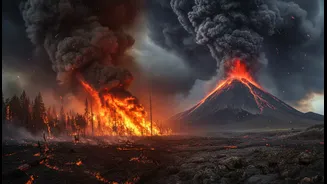
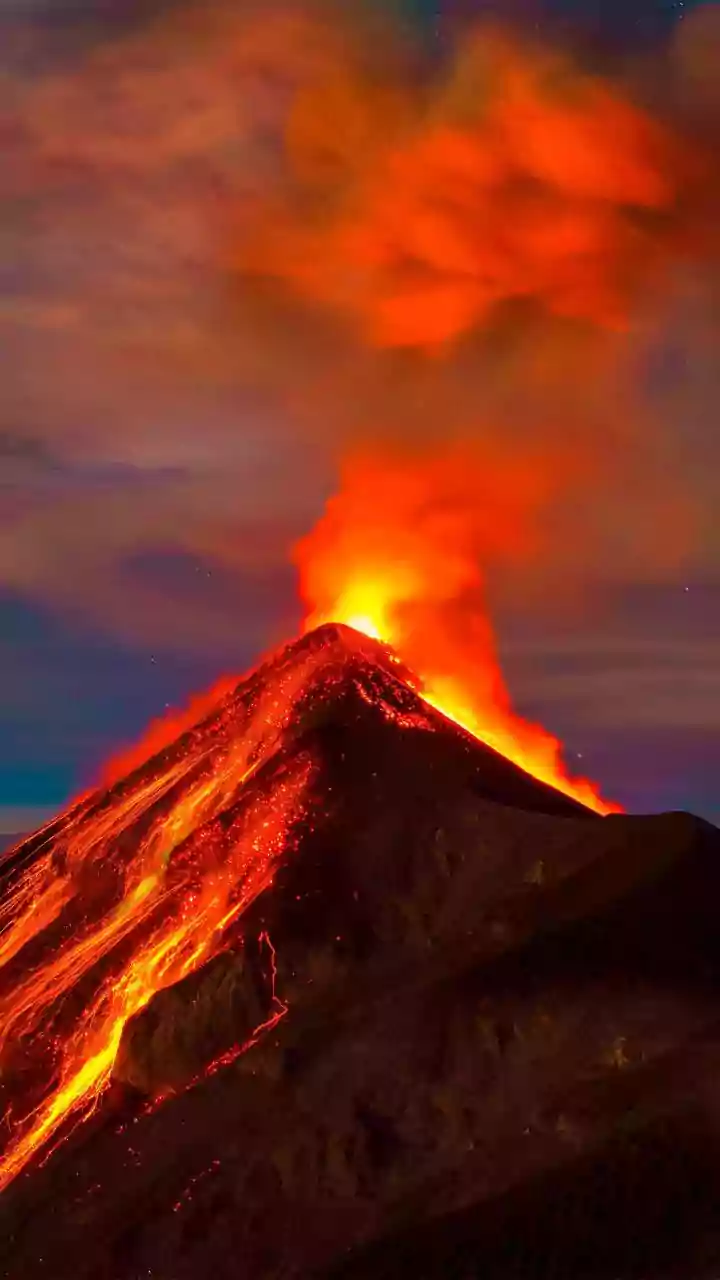
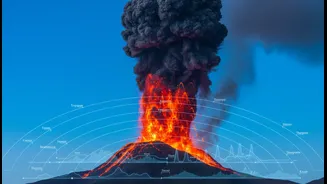
The classic understanding of a volcano's climate impact involves sulphur dioxide. Large eruptions, like Mount Pinatubo in 1991, inject massive quantities of this gas into the stratosphere, where it forms reflective sulphate aerosols that can cause temporary global cooling. However, the January 2022 eruption of the underwater Hunga Tonga-Hunga Ha'apai volcano revealed a powerful new variable: water. The eruption blasted an unprecedented amount of water vapour—enough to fill over 58,000 Olympic-sized swimming pools—directly into the stratosphere, increasing its total water content by about 10%. Unlike sulphur, water vapour is a potent greenhouse gas, meaning it traps heat. This has led to intense scientific debate about its net effect, with some studies suggesting the water's warming potential could counteract or even outweigh the cooling from its sulphate aerosols. This event highlighted that not all volcanoes are the same, and their impact on climate is far more complex than a simple cooling effect.
Challenging Our Climate Forecasts
The unexpected chemistry from wildfire smoke and the massive water vapour injection from Hunga Tonga are forcing scientists to rethink their climate models. These models are the primary tools used to project future warming and understand climate sensitivity. Historically, they have accounted for volcanic eruptions by assuming an average level of activity based on past records, primarily focused on sulphur-driven cooling. However, they have struggled to represent the complex effects of fire-generated aerosols or the unique warming potential of a water-rich eruption. The unpredictable nature of these events introduces a significant wild card into climate projections. Failing to accurately model the stratospheric impacts of increasingly frequent megafires and diverse volcanic eruptions could affect the reliability of everything from near-term weather patterns, like El Niño, to long-term global warming estimates.