



An Ancient Practice Goes Viral
The use of rice water as a beauty treatment is far from new. For centuries, it has been a staple in many Asian cultures. The most famous example comes from the Yao women of China's Huangluo village, who are renowned for their exceptionally long, strong
hair, which they traditionally wash with fermented rice water. Court ladies in Japan during the Heian Period (794 to 1185 AD) also reputedly used rice water to maintain their floor-length hair. Today, wellness influencers on platforms like TikTok and Instagram have revived this tradition, sharing their own impressive results and DIY tutorials, bringing this age-old practice into modern bathrooms worldwide.
The Science Behind the Shine
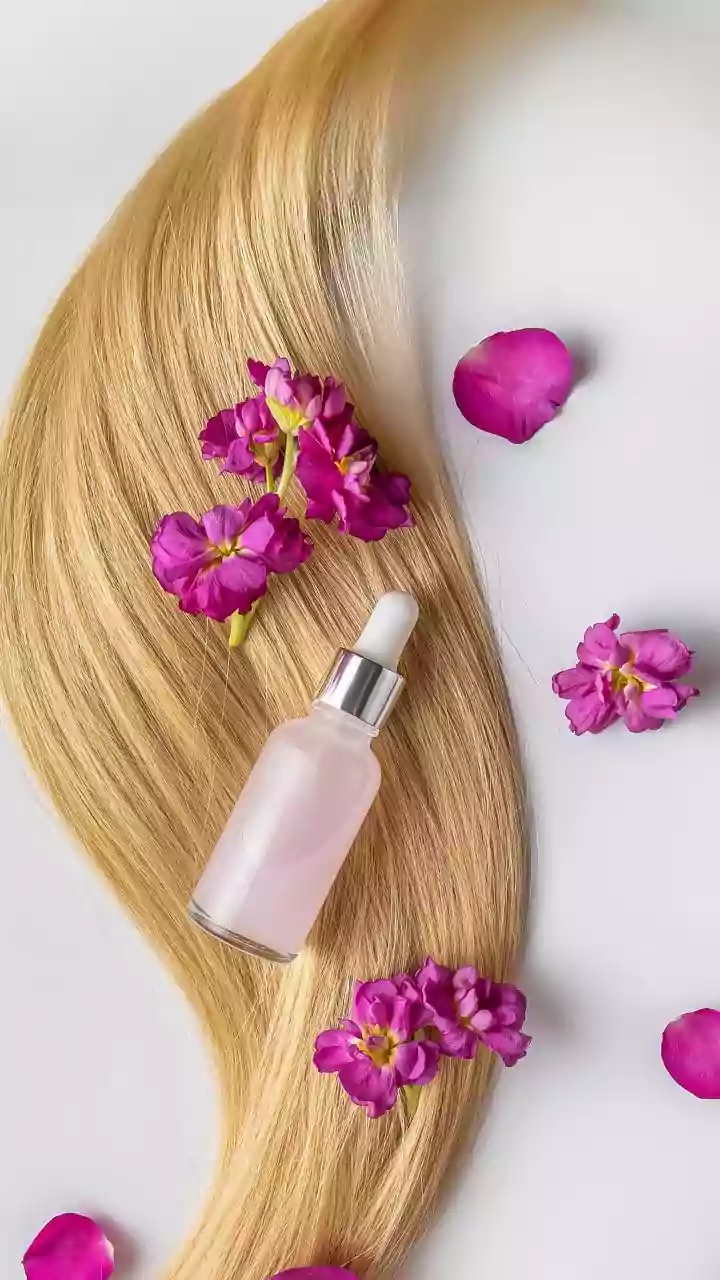
Advocates for rice water rinses claim it detangles, strengthens, adds shine, and helps hair grow longer. There is some scientific basis for these claims. Rice water is rich in amino acids, B vitamins, and minerals. A key component is inositol, a carbohydrate that studies suggest can penetrate damaged hair and remain there, forming a protective shield that reduces surface friction and increases elasticity. Fermenting the rice water lowers its pH, which helps to keep the hair cuticle closed and smooth, and may also increase the concentration of antioxidants. However, while the anecdotal evidence is strong, dermatologists note that rigorous scientific studies on rice water itself are limited. Overuse can also lead to protein overload, making hair feel stiff and brittle, especially for those with low-porosity hair.
A Probiotic Drink for Your Gut?
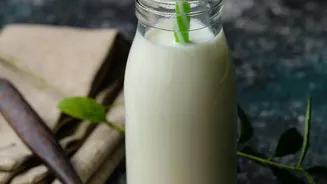
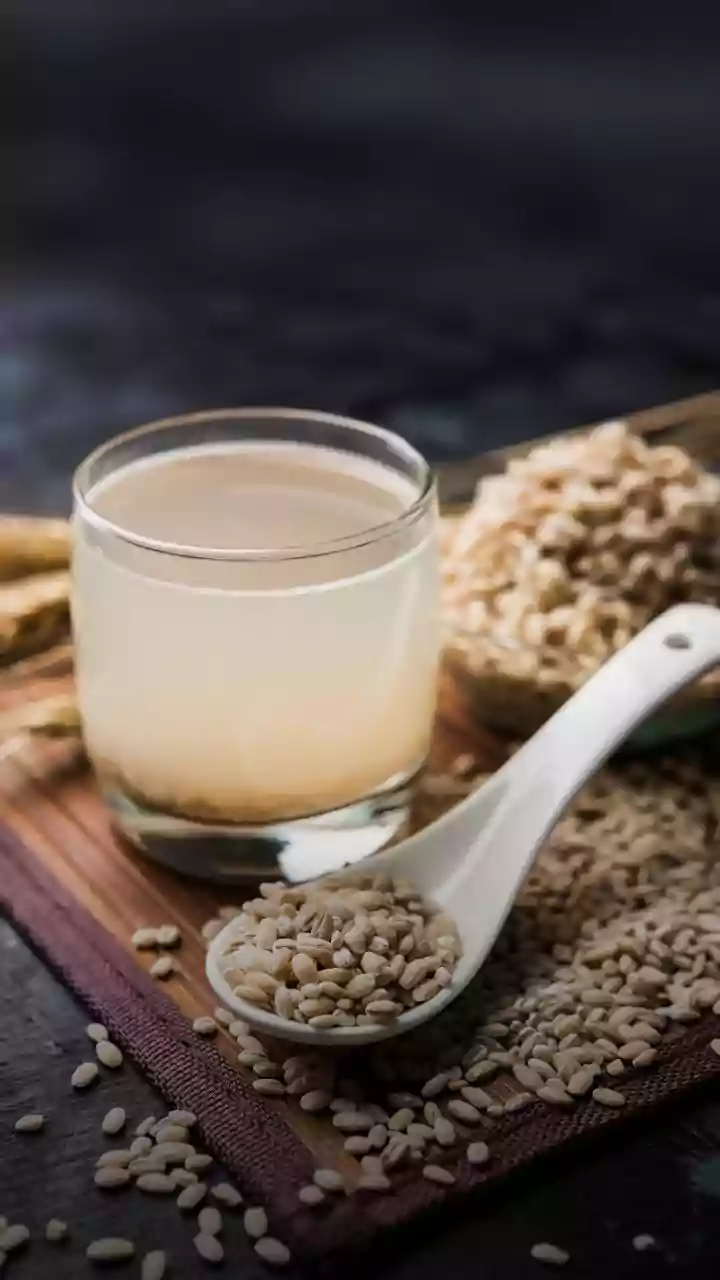
Beyond hair care, some creators are promoting fermented rice water as a probiotic beverage for gut health. The logic is that the fermentation process encourages the growth of beneficial bacteria, like Lactobacillus. In theory, consuming these probiotics could help support a healthy gut microbiome, which is crucial for digestion and immunity. Proponents claim it can reduce inflammation, prevent bloating, and improve nutrient absorption. However, this is where caution is most warranted. While fermented foods are generally beneficial, the safety of homemade fermented rice water for consumption is not well-studied. Improper fermentation can lead to contamination with harmful bacteria. Furthermore, the starchy liquid may spike blood sugar, and there are concerns about the potential for arsenic, which can accumulate in rice.
How to Make a Simple Rice Water Rinse
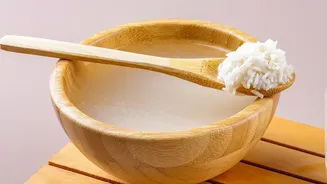
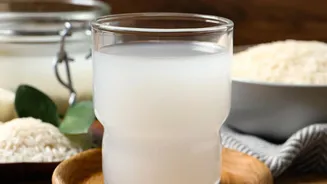
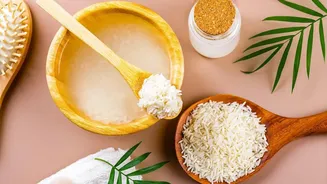
For those curious to try the topical hair benefits, making a basic rice water rinse at home is simple. Start by rinsing half a cup of uncooked rice to remove any impurities. Then, place the rinsed rice in a bowl with two to three cups of water and let it soak for at least 30 minutes, or until the water becomes cloudy. Strain the liquid into a clean jar or bottle. You can use it immediately as a post-shampoo rinse. For a fermented version, cover the jar loosely and let it stand at room temperature for 24 to 48 hours. It will develop a slightly sour smell, which indicates fermentation. To use, pour it over your hair after shampooing, massage it into your hair and scalp, leave it on for up to 20 minutes, and then rinse thoroughly with warm water before conditioning. It's always wise to do a patch test first, and if you have a sensitive scalp or skin conditions like eczema, consult a dermatologist before trying it.