


From Waste to Wonder Ingredient
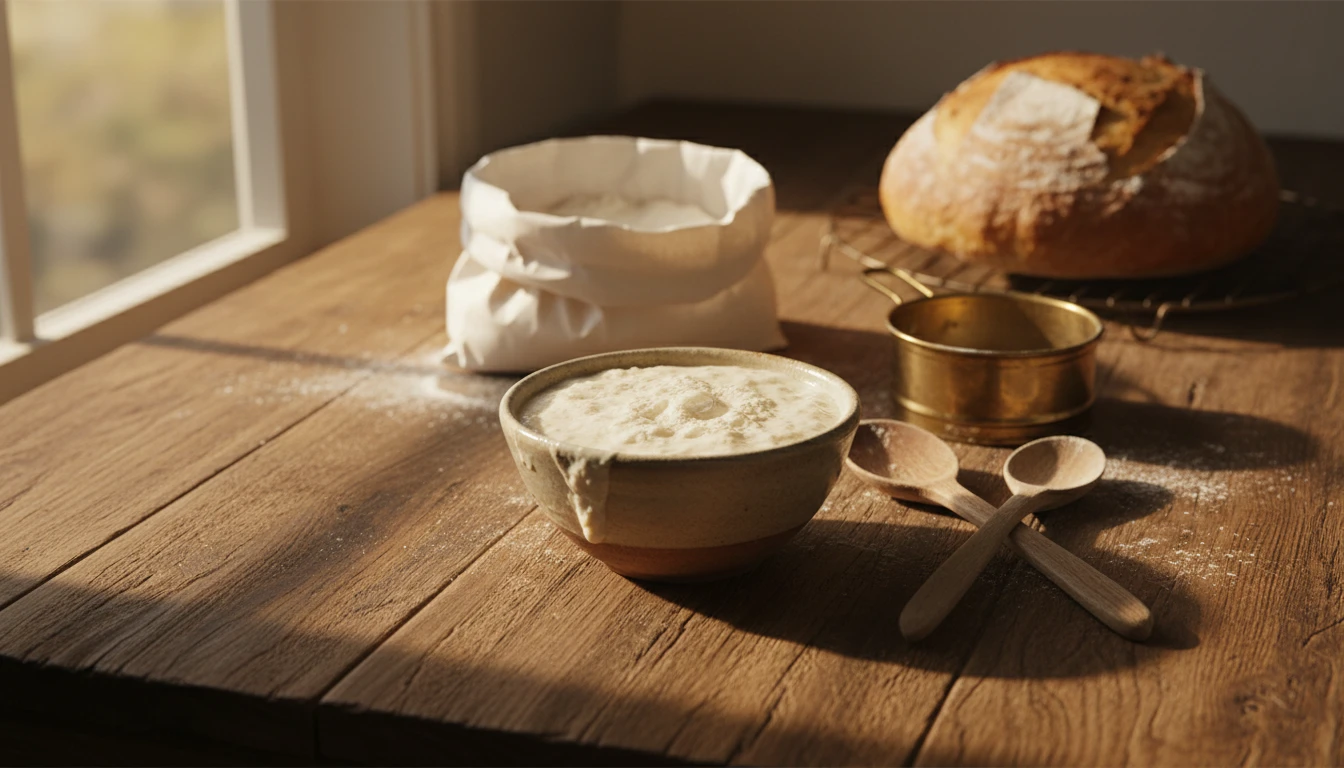
The home baking renaissance that began years ago has matured. Bakers are no longer just focused on achieving the perfect loaf; they are now embracing a more holistic, sustainable, and creative approach to their craft. At the heart of this shift is the humble
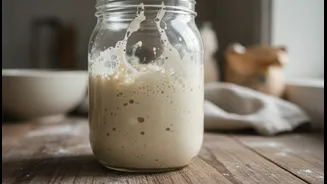
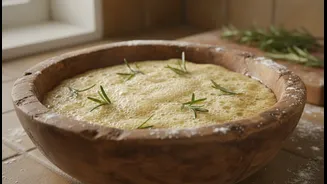
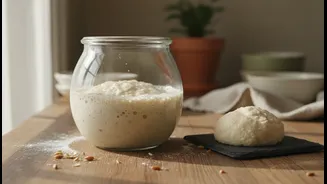
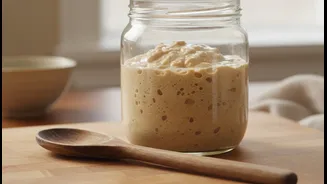
sourdough discard—the portion of starter that is typically removed and thrown away during feedings. The prevailing new trend is to see this discard not as a byproduct, but as a primary ingredient. It represents a move away from waste and towards a culinary philosophy that values every component for its potential contribution to flavor and texture. This change in perspective is unlocking a whole new world of recipes and techniques that go far beyond the conventional.
The Secret to Deeper Flavor
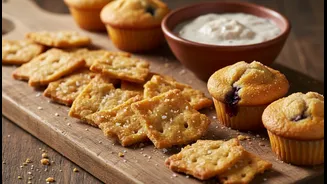
So why is discard suddenly so prized? The answer lies in its complex flavor profile. As a fermented mixture of flour and water, discard is packed with the byproducts of yeast and bacteria activity. When fresh, it has a tangy, complex character similar to buttermilk or crème fraîche. This acidity and depth can enhance baked goods in surprising ways. In sweet recipes like cookies, cakes, and brownies, it can balance sweetness and add a subtle richness that you can't get from other ingredients. In savory dishes, it provides a foundational tang that complements everything from crackers to pasta dough. Bakers are realizing that by binning their discard, they've been throwing away a powerful, natural flavor enhancer that can elevate everyday recipes.
Beyond Pancakes and Crackers
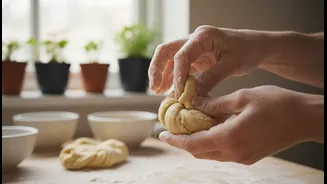
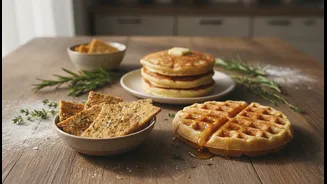
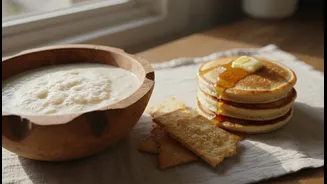
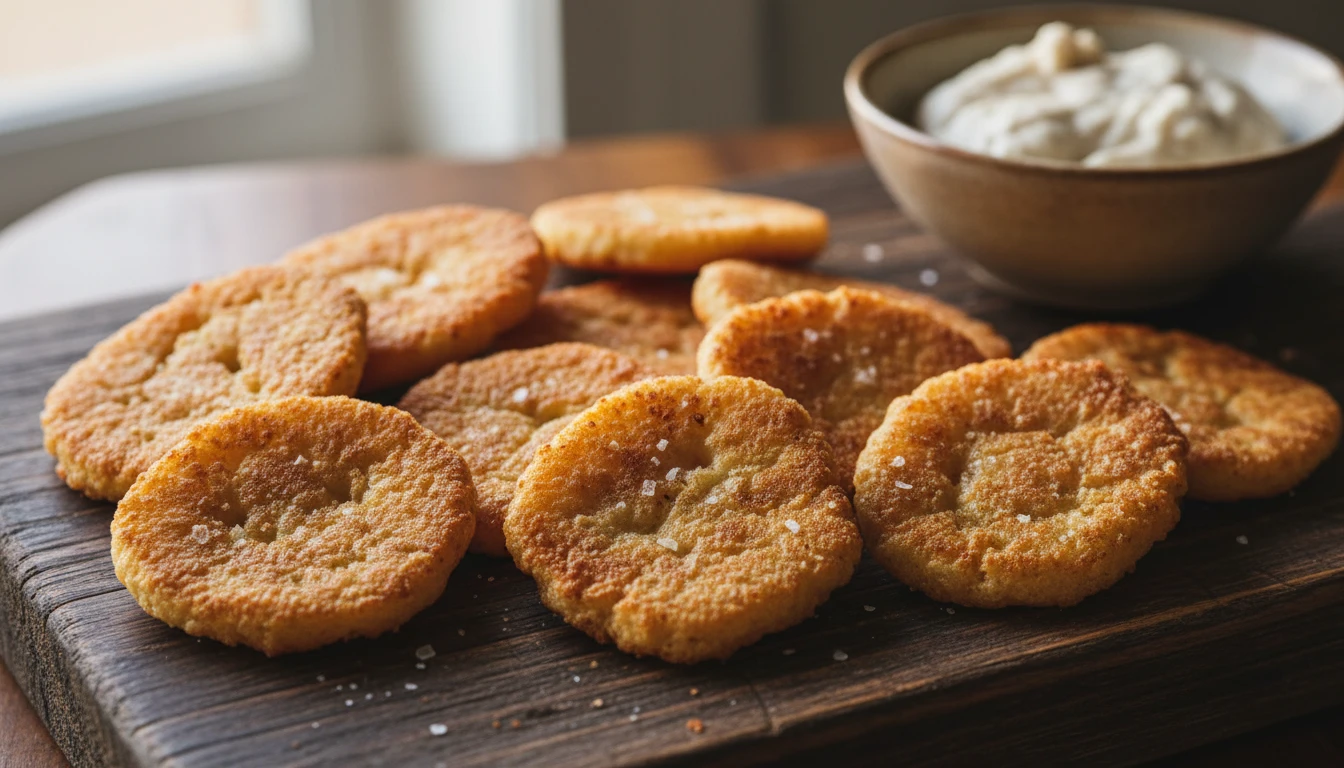
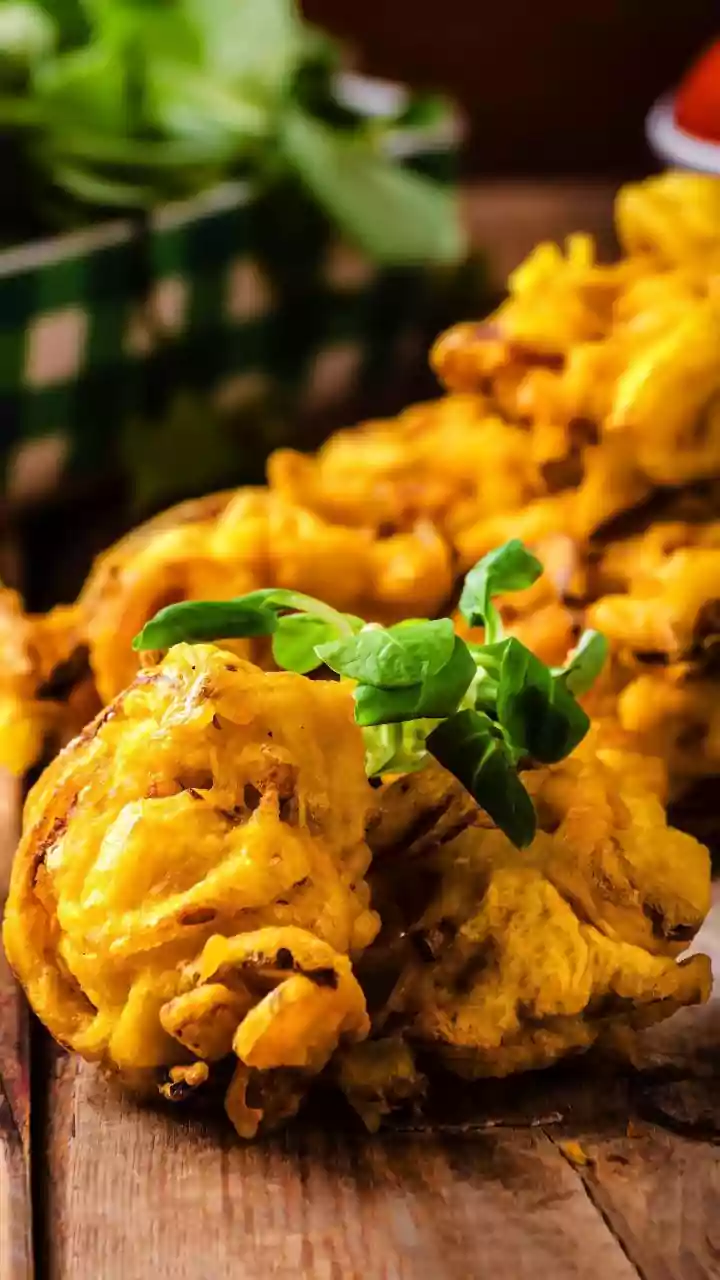
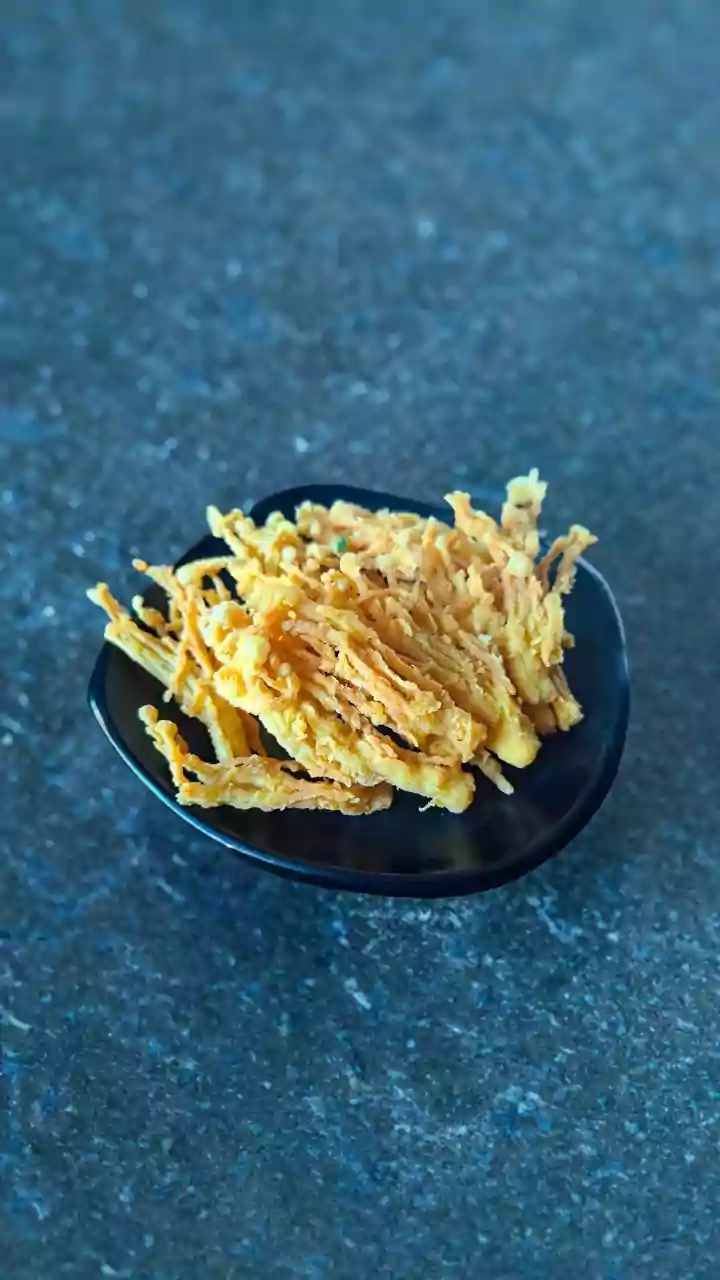
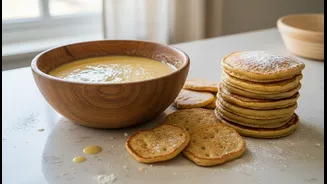
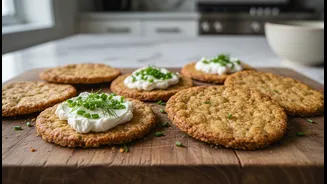
While sourdough discard pancakes and crackers have been staples for years, the new trend pushes the boundaries much further. Home cooks are now using discard to create an astonishing variety of dishes. Creative bakers are incorporating it into fresh pasta dough for a tender, flavorful result, or using it to make light and crispy tempura-style batter for onion rings. It's being used as a base for savory galettes, flaky biscuits, and even homemade pizza crusts that benefit from the discard's flavor complexity, often with a little help from commercial yeast for lift. The applications extend to desserts as well, with recipes for fudgy brownies, rich chocolate cakes, and tangy lemon cookies all using discard to achieve superior results. It's even being used to make granola and pie crusts.
A Sustainable Kitchen Staple
This trend is about more than just taste; it's a direct response to a growing desire for sustainability in the kitchen. Throwing away a portion of your lovingly tended starter each day can feel inherently wasteful. By finding creative uses for discard, home bakers are aligning their hobby with zero-waste principles. This mindset encourages a more resourceful and intuitive style of cooking. Instead of following a recipe to the letter, bakers are learning to adapt, seeing a jar of discard not as a problem but as an opportunity. Some bakers now keep a dedicated container in the fridge, collecting discard over a week to have a ready supply for various culinary projects. This shift represents a deeper connection to the entire food process, from nurturing a living culture to creating delicious, waste-free meals.
Getting Started with Your Discard
Ready to join the trend? It’s simple. The next time you go to feed your starter, pour the discard into a clean jar instead of the bin. You can store this jar in the fridge for about a week, adding to it with each feeding. A great starting point is with a simple recipe, like biscuits or muffins, to get a feel for how the discard behaves. Remember that discard doesn't have the leavening power of an active starter, so most recipes will still call for baking soda, baking powder, or yeast. The key is to see it as a flavor ingredient first. Once you start experimenting, you'll find that what you once considered waste is actually one of the most versatile and valuable ingredients in your kitchen.