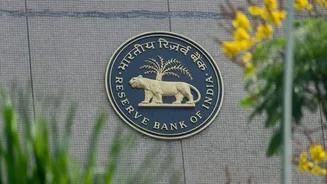








The RBI's Role and the Repo Rate
The Reserve Bank of India (RBI) manages the country's economy using several tools, with the most important being the repo rate. Think of the repo rate as the interest rate at which commercial banks borrow money from the RBI. This rate serves as a benchmark
for the entire financial system. When the RBI wants to control inflation (rising prices), it increases the repo rate. This makes borrowing more expensive for banks, which in turn reduces the amount of money circulating in the economy, helping to cool down demand. Conversely, to boost economic activity, the RBI lowers the repo rate. Currently, economists and market watchers are closely monitoring the RBI's Monetary Policy Committee (MPC) meetings for any signs of a change. With inflation becoming a concern, many experts are predicting a potential rate hike in the near future.
The Link Between Repo Rate and FD Rates
The connection between the RBI's repo rate and the interest your fixed deposit earns is direct. When the RBI raises the repo rate, the cost of funds for commercial banks goes up. To manage their liquidity and continue lending, banks need to attract more money from the public. Their primary tool for this is offering higher interest rates on fixed deposits. A more attractive FD rate encourages people to save more, which funnels money into the banking system. So, a higher repo rate generally translates into higher FD rates for savers. However, this transmission is not always instant. Banks consider several factors, including their current liquidity, the demand for loans, and competition from other banks before adjusting their deposit rates.
What Are the Experts Saying Now?
As of early October 2026, many economists believe a repo rate hike is on the horizon. Factors like rising inflation, elevated global commodity prices, and rate hikes by other major central banks are putting pressure on the RBI to act. Polls of economists show a strong consensus for a 25 basis point (0.25%) hike in the upcoming policy review. Some analysts even predict a series of hikes extending into the next year. This has savers wondering if they should lock in their FDs now or wait. An increase in the repo rate would likely compel banks to revise their FD rates upward to attract deposits. However, some economists feel the RBI might wait for more data before making a move, meaning any potential rate change could be delayed.
So, Should You Invest Now or Wait?
Timing the market is notoriously difficult, even with fixed-income products. While waiting for a rate hike could mean securing a higher return, there's also a risk. If the expected hike doesn't materialize, you could miss out on the interest you would have earned by investing today. Banks may also take their time to pass on the benefits of a rate hike to customers. An existing FD's interest rate is locked in and will not change even if the bank revises its rates for new deposits. This provides stability but also means you can't benefit from a mid-tenure rate increase. This is where a strategy known as 'FD laddering' can be incredibly useful for savers.
A Smarter Approach: The FD Laddering Strategy
Instead of investing a lump sum into a single fixed deposit, the laddering strategy involves splitting your investment into multiple FDs with different maturity dates. For example, if you have ₹5 lakh to invest, you could put ₹1 lakh each into FDs with tenures of one, two, three, four, and five years. This approach offers two major benefits. Firstly, it provides regular liquidity; as one FD matures each year, you have access to funds without paying a penalty. Secondly, it helps you average out your returns. As each FD matures, you can reinvest the amount into a new five-year deposit at the prevailing interest rate, which could be higher. This way, you systematically benefit from rising rates without having to guess the perfect time to invest.