


An Ideal Celestial Alignment
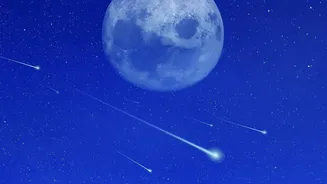
The Perseid meteor shower, one of the most anticipated astronomical events of the year, will reach its peak on the nights of August 12 and 13, 2026. What makes this year particularly special is the phase of the moon. The peak of the shower coincides perfectly
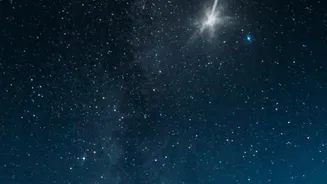
with a new moon on August 12. This means the night sky will be exceptionally dark, free from the natural light pollution of a bright moon which often washes out fainter meteors. In a typical year, a full or gibbous moon can reduce the number of visible meteors significantly. But in 2026, the moonless sky provides the ideal canvas for the Perseids' spectacular display, allowing even the less brilliant shooting stars to be seen.
What Are the Perseids?
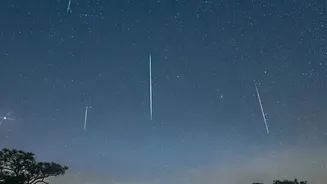
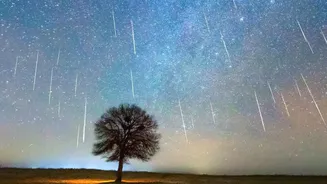
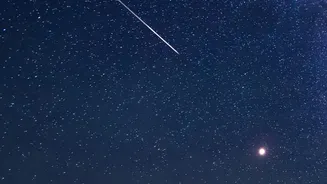
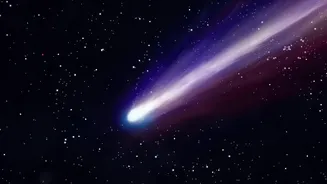
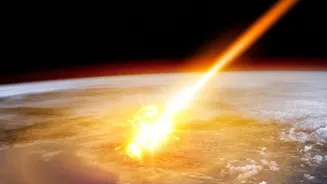
Often called shooting stars, meteors are not stars at all. They are tiny bits of space debris, many no larger than a grain of sand, burning up as they enter Earth's atmosphere at incredible speeds. The Perseid meteor shower occurs annually when Earth passes through the trail of debris left behind by a massive comet named 109P/Swift-Tuttle. This comet, which takes 133 years to orbit the sun, leaves a dusty path in its wake. When our planet plows through this field of cosmic dust, the particles slam into our atmosphere at speeds of nearly 60 kilometres per second, creating the bright streaks of light we see from the ground. They are named the Perseids because they appear to radiate from the constellation Perseus.
When and Where to Watch
The shower is active from mid-July to late August, but the best time to watch will be during its peak on the night of August 12 and into the pre-dawn hours of August 13. While some meteors might be visible as soon as darkness falls, the show typically gets better as the night progresses. The prime viewing window is generally between midnight and 5:30 a.m., when the part of the sky the meteors originate from, known as the radiant, is high in the sky. Under these perfect, moonless conditions, observers in dark locations could see between 50 and 75 meteors per hour, with some predictions going as high as 90 or more.
Tips for the Best Viewing Experience
You don’t need any special equipment like a telescope or binoculars to enjoy the show; in fact, they can limit your view. Your eyes are the best tool for the job. The most crucial factor is getting away from city lights. Find a dark spot with an open view of the sky, away from buildings and trees. A park or rural area is ideal. Once you've found your spot, get comfortable. Bring a blanket or a reclining lawn chair, some snacks, and maybe a warm jacket as even summer nights can get cool. Give your eyes at least 15 to 30 minutes to fully adjust to the darkness—and that means putting your phone away, as its bright screen will ruin your night vision. Then, simply lie back, look up, and be patient.