






A Drop in Temperature, A Shift in Mood
That sudden craving isn't just in your head; there's a biological basis for it. When it rains, the lack of sunlight can cause a dip in your body's production of serotonin, the neurotransmitter responsible for regulating mood. To counteract this slump,
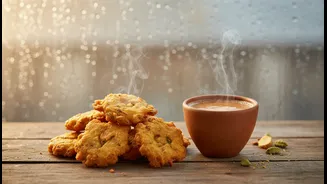
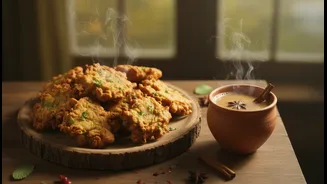
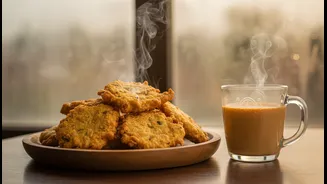
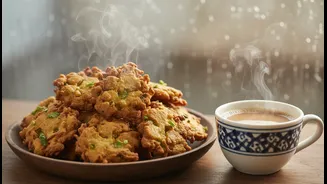
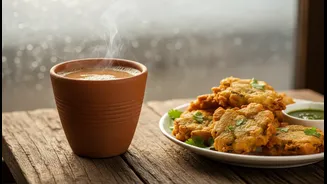
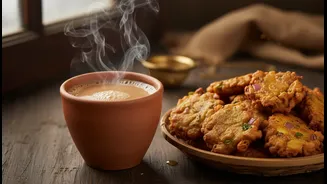
your brain starts craving carbohydrates and fats. Pakoras, which are rich in both, trigger the release of tryptophan, an amino acid the brain uses to produce more serotonin, giving you a temporary mood lift. At the same time, the drop in temperature makes your body want to regulate its internal thermostat. Eating warm, calorie-dense foods like fried snacks and drinking hot chai helps increase your body temperature, making you feel cozier and warmer in the damp weather.
A Hug in a Mug (and on a Plate)
Beyond the biology, there is powerful psychology at play. Chai and pakoras are classic comfort foods. These are dishes that are deeply connected to feelings of safety, security, and nostalgia. The craving is often linked to positive childhood memories: watching the rain from a window with family, the sound of sizzling oil in the kitchen, and the shared joy of a warm snack on a cool day. These strong emotional associations can make the food feel more satisfying. Eating these foods can activate the reward centres in your brain, releasing dopamine, the 'pleasure' chemical, which provides a sense of emotional comfort and security when the weather outside is gloomy.
A Monsoon Cultural Ritual
In India, the pairing of chai and pakoras during the monsoon is more than a personal habit; it's a deeply ingrained cultural ritual. After the intense heat of summer, the first rains are a cause for celebration. This pairing has become the unofficial cuisine of the Indian monsoon. Across the country, from street food stalls to family homes, the act of making and sharing these snacks becomes a social event. This tradition, reinforced by generations and even romanticised in popular culture like Bollywood films, transforms a simple meal into a shared experience of comfort and togetherness. The sensory experience—the earthy smell of petrichor, the sound of rain, and the warmth of the food—combines to make the craving feel almost instinctual.
Traditional Wisdom for Rainy Days
Ancient Indian practices also offer a perspective on these monsoon cravings. According to Ayurveda, the rainy season, or 'Varsha Ritu', is a time when the body's digestive fire (Agni) is weaker. The damp and cool environment is believed to aggravate the Vata dosha, which can lead to issues like bloating and indigestion. To counteract this, Ayurveda recommends eating warm, light, and freshly cooked meals. While deep-fried snacks should be eaten in moderation, the emphasis on warm, cooked food aligns perfectly with the craving for hot pakoras and chai. Spices commonly found in these preparations, like ginger, cumin, and pepper, are known to aid digestion and provide warmth, further justifying their appeal during this season from a traditional standpoint.