


A Treat with Royal Roots
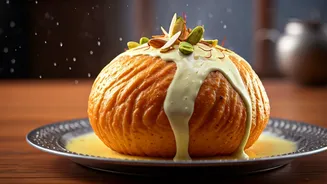
Shahi Tukda, which translates to 'royal piece', is a dessert with a history as rich as its taste. [3, 7, 9] Its origins are traced back to the opulent kitchens of the Mughal era, where royal chefs were tasked with creating grand dishes for the emperors.
[3, 7, 14] Some food historians believe it was brought to India in the 16th century or inspired by similar bread-based puddings from Central Asia and the Middle East, like the Egyptian Umm Ali. [4, 11] The core idea was brilliantly resourceful: transform simple, sometimes leftover, bread into a delicacy fit for a king by frying it in ghee, soaking it in a sweet syrup, and anointing it with a creamy, thickened milk sauce known as rabri. [5, 7]
The Comfort of Monsoon Cravings
There's a scientific reason we yearn for rich, warm foods when it rains. The lack of sunlight during overcast monsoon days can cause a dip in serotonin, our 'feel-good' hormone. [19, 22, 23] This dip often triggers cravings for carbohydrates and sweets, as they can provide a quick boost to our mood. [20, 23] Furthermore, as the temperature drops, our bodies naturally seek out warm, energy-dense foods to feel comfortable and cozy. [19, 22] A warm, sweet, and satisfying dish like Shahi Tukda checks all the boxes, offering not just physical warmth but also a deep sense of psychological comfort and nostalgia. [20, 21]
Anatomy of the Perfect Piece
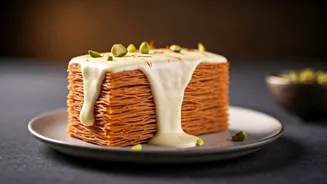
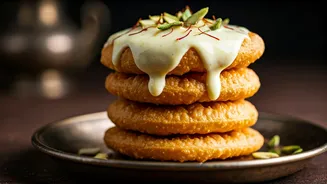
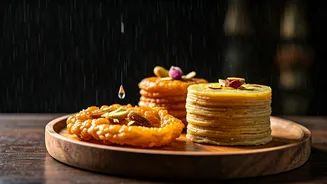
The magic of Shahi Tukda lies in its perfect symphony of textures and flavours. It begins with slices of bread, traditionally white or milk bread, fried in pure ghee until they are irresistibly golden and crisp. [4, 6] These fried pieces are then briefly dipped in a fragrant sugar syrup, often infused with saffron or rose water, giving them a delicate sweetness without making them soggy. [6, 8] The crowning glory is the rabri—a slow-cooked, thickened milk sauce, rich with the flavours of cardamom and saffron. [4, 14] Finally, a generous garnish of chopped nuts like almonds, pistachios, and cashews adds a delightful crunch, creating a dessert that is simultaneously soft, creamy, crisp, and fragrant. [4, 9]
From Imperial Courts to City Streets
While it began as a dessert for royalty, Shahi Tukda has become a beloved treat for all. It's a staple at festive celebrations like Eid and Diwali, and a star on wedding menus across the country. [4, 7] You'll find it in humble sweet shops and on the menus of high-end restaurants, especially in cities with a strong Mughal culinary legacy like Hyderabad, Delhi, and Lucknow. [5] In Hyderabad, a very similar dessert known as 'Double ka Meetha' enjoys immense popularity, showcasing the regional variations of this classic recipe. [4, 5] This journey from an exclusive imperial dish to a widely accessible comfort food is a testament to its timeless and universal appeal.