



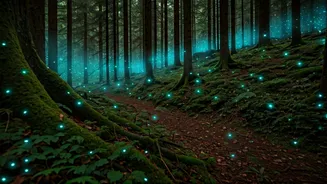


A Forest That Breathes Light
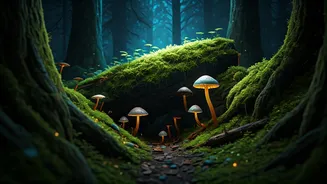
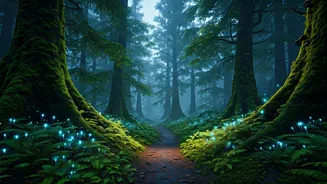
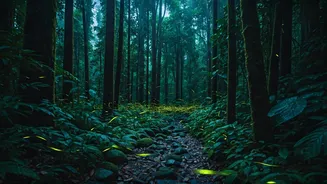
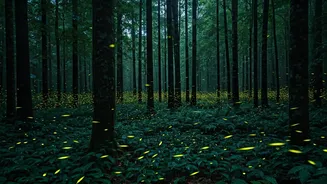
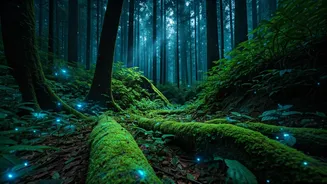
Imagine walking through the dense forests of the Western Ghats during the peak of the monsoon. As night falls, a strange and wonderful transformation occurs. Patches of the forest floor, decaying twigs, and forgotten logs begin to emit a soft, ghostly
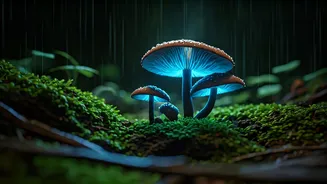
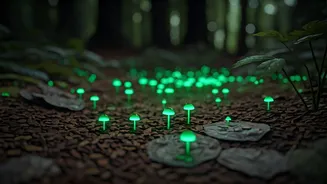
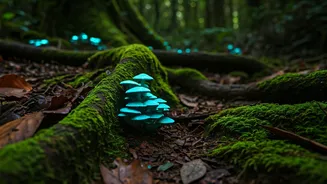
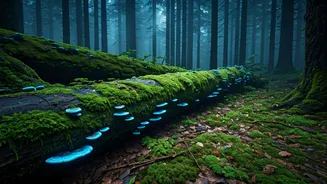
green-blue light. This isn't a fairy tale; it's a natural phenomenon known as bioluminescence, and it's turning parts of India’s southern hills into a surreal wonderland. Often referred to as ‘foxfire’ or ‘will-o'-the-wisp’, this living light creates an otherworldly spectacle, carpeting the ground in a network of glowing filaments that look like fallen stars.
The Science Behind the Magic
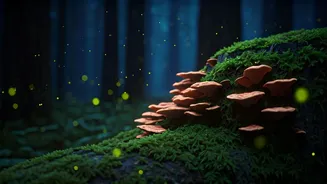
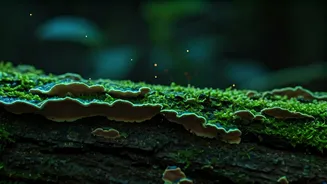
While the sight feels magical, the source is entirely biological. The glow is produced by certain species of fungi, most notably from the Mycena genus. These fungi are saprotrophic, meaning they feed on decaying wood. The light is a byproduct of a chemical reaction within the fungus, similar to what makes fireflies glow. An enzyme called luciferase acts on a pigment called luciferin, and the resulting oxidation releases energy in the form of cold light. Scientists believe this glow may serve a purpose, perhaps to attract insects that help in spore dispersal, ensuring the fungus propagates. So, while it looks like magic, it’s actually a clever survival strategy perfected over millions of years.
The Patient Hunters with Cameras
This natural light show has not gone unnoticed. A dedicated community of nature photographers and wildlife enthusiasts—the “wilderness lensmen” of the headline—brave the rain, leeches, and treacherous terrain to capture it. Photographing bioluminescence is a true test of patience and skill. The glow is faint, requiring long-exposure shots in complete darkness. This means setting up a tripod on muddy, uneven ground, often in a light drizzle, and waiting for minutes at a time for the camera’s sensor to soak in the delicate light. These photographers are not just chasing a beautiful image; they are documenting a fragile and fleeting aspect of our biodiversity, bringing a hidden world to a wider audience through their stunning work that often goes viral online.
Monsoon's Secret in the Ghats
This phenomenon is most prominently seen during the monsoon months, from June to October, when the humidity and moisture levels are just right for the fungi to thrive. While reports have emerged from various parts of India, including Meghalaya, the forests of the Western Ghats—particularly in states like Maharashtra and Goa—have become hotspots for seekers of this glow. The presence of these glowing fungi is more than just a novelty; it is an indicator of a healthy, thriving forest ecosystem with plenty of decaying organic matter to support them. In a way, the glow is the forest’s own vital sign, a testament to the life churning away in the darkness, long after the sun has set.