

The Next Generation of Frozen Treats
Forget the watery, overly sweet frozen yoghurts of past decades. The new wave of frozen Greek yoghurt is an entirely different creation. It starts with actual, authentic Greek yoghurt, known for its thick texture and tangy flavour. This base is then churned
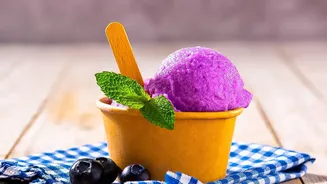
into a frozen dessert that aims to deliver the creaminess of premium ice cream without sacrificing its healthier credentials. Brands like Yasso have built an entire platform on the concept, offering bars, sandwiches, and spoonable tubs that market an "ice cream-like experience". Meanwhile, new artisanal shops are popping up in cities like Orlando and New York, dedicated to serving scratch-made, authentic Greek frozen yoghurt, often using traditional ingredients like kefir to enhance the probiotic content and texture.
Why Now? The Protein-Powered Dessert Boom
The resurgence of frozen yoghurt, specifically the Greek-style variety, isn't happening in a vacuum. It's a direct response to a major shift in consumer thinking. While the froyo boom of the 2000s was driven by a 'low-fat' message, today's trend is all about protein. Shoppers are actively seeking out indulgent treats that also offer functional benefits, and Greek yoghurt's naturally high protein content fits the bill perfectly. Analysts report a massive 26% increase in frozen yoghurt servings sold in the past year, with foot traffic at froyo chains outpacing traditional ice cream shops. This isn't just about avoiding fat; it's about adding positive nutritional value to a dessert, turning a simple treat into a smarter, more satisfying choice.
A More Sophisticated Flavour Profile
One of the biggest departures from the last froyo craze is the taste. This new generation is tangier, less sugary, and designed for a more adult palate. The toppings have also received a serious upgrade. Instead of gummy bears and sprinkles, the trendiest shops are offering sophisticated options like drizzles of high-quality olive oil, flaky sea salt, crumbled baklava, and wildflower honey. Fast-casual Greek restaurants like Souvla have seen their frozen yoghurt sales surge by over 20% in the last year, partly thanks to these more complex and elegant flavour combinations. The goal is to create a product that feels both wholesome and gourmet—a dessert that is as at home on social media feeds as it is in a health-conscious diet.
The Nutritional Lowdown
When placed side-by-side with traditional ice cream, frozen Greek yoghurt generally comes out ahead in several key areas. It's typically lower in calories and fat because it uses milk and yoghurt as a base instead of heavy cream. Where it truly stands out is protein, with some Greek-style versions offering significantly more per serving than both ice cream and regular frozen yoghurt. However, it's not a free pass. Consumers should still read the label, as the sugar content can be just as high as ice cream, depending on the brand and flavour. And while many yoghurts contain beneficial probiotics, these live cultures don't always survive the freezing process, though some brands make a point of ensuring their product contains them.
How to Try the Trend at Home
While new brands are rapidly appearing in freezer aisles, creating your own frozen Greek yoghurt is surprisingly simple. At its most basic, the process involves blending full-fat Greek yoghurt with a sweetener of your choice—like honey, maple syrup, or agave—and any flavourings you desire, such as vanilla extract or fruit purée. For the creamiest result, an ice cream maker is recommended. However, you can also achieve a good texture by using the 'freeze and stir' method: pour the mixture into a shallow, freezer-safe container and stir it vigorously every 30-45 minutes for about 3-4 hours to break up ice crystals. This hands-on approach allows you to control the sugar content and experiment with custom flavours, from strawberry to matcha.