
The Evolution from Dabba to Digital
For generations, the tiffin service, exemplified by Mumbai's iconic Dabbawalas, solved the daily meal puzzle for office workers. It was a masterpiece of logistics, built on routine and reliability. Today, that same need for consistent, home-style meals
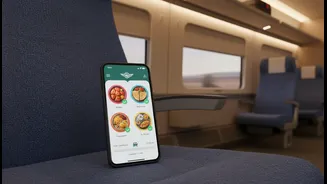
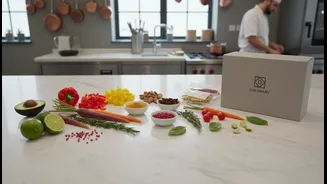
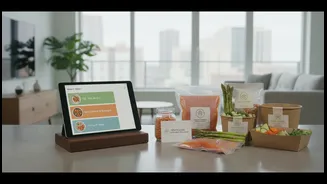
is being met by technology. Digital meal planning apps and subscription services are the modern-day tiffin service, allowing users to plan their meals for days or weeks in advance. These platforms offer customization for dietary needs, calorie tracking, and a variety of cuisines, directly addressing the pain points of decision fatigue and health management for time-poor consumers. Services across India now offer flexible daily, weekly, or monthly subscriptions, making nutritious food more accessible than ever.
The Rise of Centralized Delivery
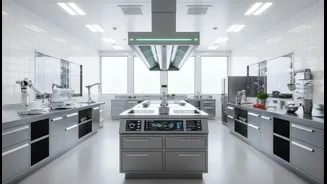
Simultaneously, the logistics of food delivery are undergoing a quiet revolution. While on-demand services from platforms like Zomato and Swiggy remain popular, the industry is grappling with the high costs of last-mile delivery to individual doorsteps. The solution emerging is 'station delivery'. This doesn't just mean train stations; it refers to centralized drop-off hubs at corporate offices, tech parks, and large residential complexes. By delivering dozens or even hundreds of pre-ordered meals to a single point, logistics companies can drastically reduce travel time and costs. This model leverages the density of urban environments, creating micro-hubs for efficient, bulk distribution—a crucial step in making the unit economics of food delivery more sustainable.
Where Planning Meets Logistics
Here is where the two stories merge. When a large number of people in one office building all use a digital service to pre-plan their weekly meals, it creates a predictable, high-volume demand. Food-tech companies and corporate caterers can leverage this data. They know exactly how many 'keto-friendly North Indian' meals or 'vegan continental' lunches to prepare and send to 'Tower C, Cyber Hub' on Wednesday. This convergence turns a chaotic system of individual orders into a streamlined, predictable operation. The meal-planning app provides the demand forecast, and the station delivery model provides the hyper-efficient fulfillment. It's a shift from a purely on-demand B2C model to a more organized, B2B-style dispatch system.
A Win-Win for the Entire Ecosystem
This integrated system offers compelling benefits for everyone involved. For consumers, it means ultimate convenience, guaranteed meals that fit their dietary goals, and potentially lower costs as providers pass on logistical savings. For restaurants and cloud kitchens, it means predictable, bulk orders that streamline kitchen operations and reduce food waste. For delivery platforms, it solves the last-mile problem, significantly improving margins and operational efficiency. Corporate administrators also benefit by offering a valuable wellness perk to employees without the complexity of managing multiple food vendors. This synergy is driving the growth of digital-first restaurant brands, which are expected to grow significantly faster than the overall market.
The Future is Pre-Planned
The online food delivery market in India is projected for massive growth, expected to increase its share of the total food services market from 11% in 2026 to 18% by 2031. The convergence of meal planning and station delivery is a key part of this evolution. We can expect to see deeper integration with health and wellness apps, more AI-driven personalization, and the expansion of this model into Tier-2 and Tier-3 cities, which are already the next big growth engine for food delivery. This evolution marks a fundamental shift in our relationship with food—from impulsive, on-demand ordering to a more conscious, planned, and efficient system that fits seamlessly into the rhythm of modern urban life.