




Preparing Your Monsoon Garden
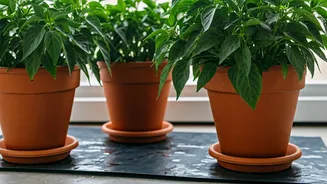
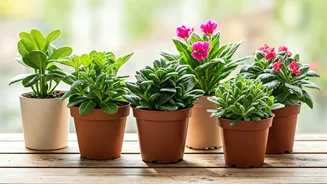
Before you start planting, a little preparation goes a long way. The key to a successful monsoon garden is excellent drainage. Heavy rains can lead to waterlogged soil, which can rot the roots of your plants. Ensure your pots have drainage holes and consider
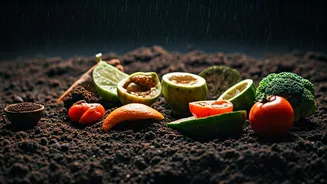
adding a layer of gravel or broken pottery at the bottom before filling them with soil. Use a light, well-draining potting mix. A combination of soil, coco peat, and compost is ideal as it provides nutrients without becoming too dense. It's also wise to prune existing plants to encourage new growth and improve air circulation, which helps prevent fungal infections common in humid weather.
The Ever-Cheerful Marigold (Genda)
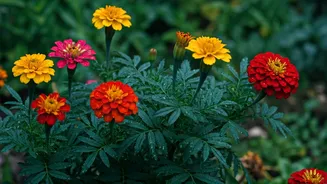
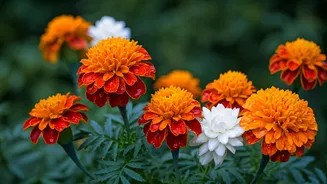
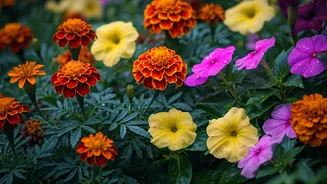
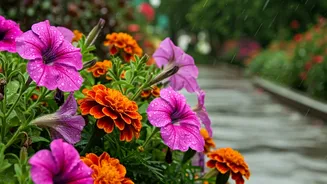
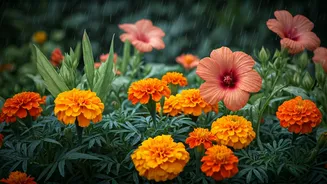
A staple in Indian households and festivals, the marigold is a perfect monsoon companion. Its bright orange and yellow hues bring a burst of sunshine to even the greyest days. Marigolds are incredibly hardy and thrive in the moist conditions of the rainy season. They are also natural pest repellents, protecting themselves and neighbouring plants from harmful insects. Plant them from seeds or saplings in a spot that receives a few hours of sunlight. They don’t require much fuss, but be sure to remove withered flowers (deadheading) to encourage more blooms throughout the season.
The Delicate Balsam (Gulmehendi)
Often called 'Touch-Me-Nots' because their ripe seed pods burst open when touched, Balsams are a delight to grow. They produce beautiful flowers in shades of pink, purple, red, and white. These plants absolutely love the humidity and consistent moisture of the monsoon. They grow quickly from seeds and can start flowering within just 40-50 days. Their stems are soft and fleshy, so they appreciate some shelter from very heavy downpours. They are perfect for shaded balconies or garden beds that don't receive harsh, direct sunlight all day.
The Stunning Hibiscus (Gudhal)
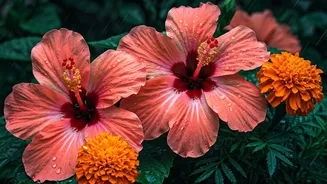
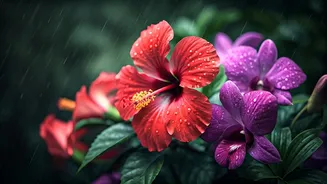
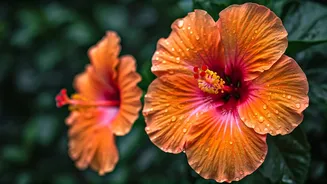
While many varieties of hibiscus are perennial, the monsoon is when they truly put on a show. The increased humidity and rainfall trigger a flush of new growth and an abundance of large, spectacular blooms. Available in a rainbow of colours from deep red to soft peach, the hibiscus adds a tropical feel to any space. It’s a relatively low-maintenance shrub but benefits from a nutrient-rich fertiliser at the beginning of the season. Ensure it's planted in a large pot or in the ground to accommodate its root system, and watch it become a focal point of your garden.
The Magical Rain Lily
As the name suggests, the Rain Lily is a flower that seems to appear magically after the first few showers. These small, bulbous plants remain dormant during dry periods and burst into flower with the arrival of the rains. Their delicate, star-shaped blossoms in white, pink, or yellow create a charming, whimsical carpet of colour. Plant the bulbs just below the surface in clusters for the best effect. They are perfect for borders, rock gardens, or pots. Once planted, they require almost no care and will surprise you with their beauty year after year.
The Colourful Zinnia
If you want a guaranteed explosion of colour, look no further than the zinnia. These flowers come in almost every shade imaginable and have a cheerful, daisy-like appearance. They are one of the easiest flowers to grow from seed and are known for being fast-bloomers. Zinnias love the sun, so place them in the sunniest part of your garden or balcony. While they enjoy the rain, they are susceptible to powdery mildew in very humid conditions, so ensure good air circulation around the plants. Their long-lasting blooms also make them excellent cut flowers for indoor arrangements.
The Whimsical Cosmos
With its feathery foliage and delicate, long-stemmed flowers, the cosmos adds a soft, airy texture to a garden. It thrives in the monsoon and its blooms in shades of pink, white, and magenta dance gracefully in the gentle breeze. Cosmos plants prefer full sun but can tolerate some partial shade. They are not picky about soil and can even perform well in poor soil conditions. In fact, overly rich soil can lead to more leaves and fewer flowers. They are easy to grow from seed and will often self-seed for the following year, providing effortless beauty.