


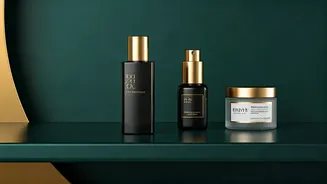


The Ingredient Inquisition
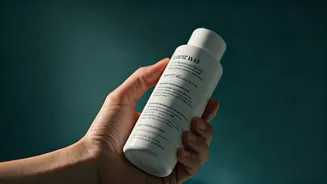
Not long ago, beauty shopping was driven by brand names and luxurious packaging. Today, a new generation of shoppers, often called 'skintellectuals', are flipping the bottle to read the fine print. [24] This shift towards ingredient-led beauty means consumers
are more interested in the 'what' than the 'who'. [24] They are actively searching for hero ingredients like hyaluronic acid, niacinamide, retinol, and Vitamin C, which are known to be effective. [5, 24] This ingredient-first approach is powered by a wealth of accessible information on social media platforms, where 'skinfluencers', dermatologists, and cosmetic chemists share educational content, demystifying complex formulations. [14] In India, this trend is particularly strong, with a recent report noting a significant shift toward science-backed skincare. [2, 10] Consumers are no longer swayed by vague promises; they want to know exactly what they are putting on their skin and what it does. [8]
A Demand for Proven Results
Marketing claims like "revitalises your skin" are no longer enough. The modern consumer demands proof. [3] This has fueled a 'clinical revolution' in the beauty industry, where efficacy, backed by scientific data, is paramount. [3] Brands are increasingly expected to validate their claims through controlled trials and dermatological assessments. [9, 16] According to one study, 63% of beauty consumers prefer clinically tested products over non-tested alternatives. [9] This desire for tangible results has led to a rise in brands openly sharing before-and-after photos, clinical measurements, and consumer feedback to build credibility. [20, 23] In a competitive market, clinical proof has become a key differentiator, helping shoppers decide which products are worth their investment. [3] It’s a move away from hope in a jar to confidence in a formula that is proven to work. [16]
The Currency of Trust
Ingredients and results are the pillars that support the most valuable asset a beauty brand can have today: consumer trust. [3, 22] Trust is built on a foundation of transparency—honesty about ingredient sourcing, clarity in product benefits, and ethical practices. [19, 23] In India, this is especially significant. A growing number of consumers are placing their faith in homegrown indie brands that demonstrate a deep understanding of Indian skin tones, climate, and cultural nuances. [12] Reports show that 36% of Indian consumers now prefer local brands to imported ones, a major reversal driven by factors like relevance and quality. [6] This trust is earned through consistent performance and honest communication, not just expensive marketing. [12] When this trust is broken, or when luxury brands are perceived as overpriced without delivering results, consumers are quick to embrace 'dupe' culture—finding more affordable alternatives that offer similar efficacy. [17]
Becoming a Smarter Beauty Shopper
Navigating this new landscape is empowering. To find true value, start thinking like a 'skintellectual'. Use online resources and apps to check ingredient lists for known irritants or beneficial actives. Follow credible experts—dermatologists and cosmetic chemists—who explain the science behind the hype. [14] Look for brands that are transparent about their clinical testing and aren't afraid to publish their results. [9] Remember that price is not always an indicator of quality. Many affordable, ingredient-focused brands offer high-performance formulations that rival their luxury counterparts. [17, 24] The Gen Z consumer in India is already leading this charge, being more informed and trend-conscious, and turning beauty into a daily ritual. [2, 21] By focusing on ingredients, demanding results, and rewarding trustworthy brands, you can curate a routine that delivers real value for your skin and your budget.