


The Larder’s Grand Return
Once a staple in homes before refrigeration, the kitchen larder is being embraced by a new generation. A larder is a tall, standalone cabinet dedicated to storing food and kitchen supplies. Its resurgence is fuelled by a desire for organised, clutter-free
spaces. Unlike built-in pantries, a freestanding larder offers flexibility; it can be added to any kitchen without a remodel, moved to a new home, and often becomes a beautiful focal point. Designers note that these pieces add character and charm, referencing the wonderful furniture of older homes while fitting perfectly into contemporary life. They provide a dedicated zone for all non-refrigerated goods, from dry foods to appliances, helping to keep worktops clear and the main kitchen feeling calm.
The Vertical Storage Advantage
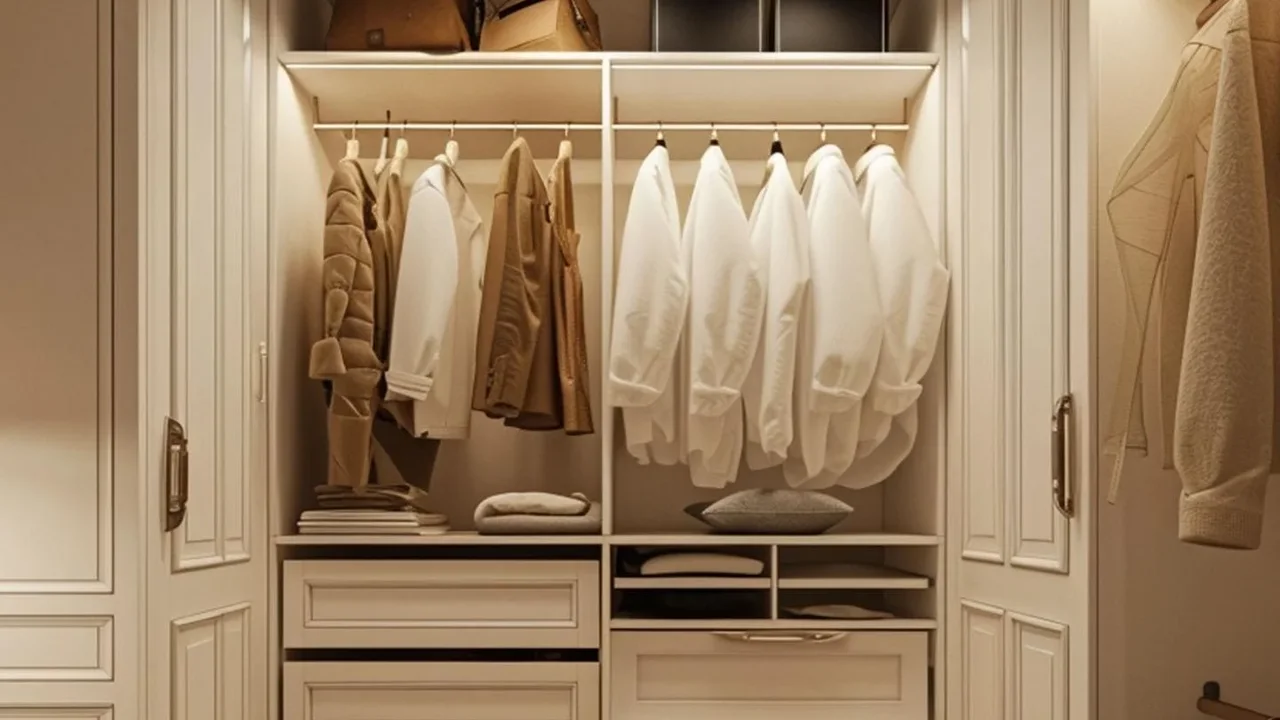
The true genius of a tall larder lies in its use of vertical space. Most kitchen cabinets leave a significant amount of unused space above stored items, which quickly becomes wasted or cluttered. Larders, by design, are built to maximise this vertical real estate, allowing you to store more in a smaller footprint. This approach is not just about cramming more in; it’s about creating an organised system where everything is visible and accessible. By stacking items smartly, you can reduce duplicate purchases and food waste because you can actually see what you have. This method transforms storage from a chaotic horizontal spread to a streamlined vertical library of ingredients.
Smart Shelving and Zoning
Effective organisation starts with the shelves themselves. Many modern larders come with adjustable shelving, a crucial feature for customising the space to your needs. A common-sense approach is to place the heaviest items, like bulk bags of flour or large appliances, on the bottom shelves. Mid-level shelves, at eye-level, should be reserved for everyday essentials—cereals, pastas, oils, and snacks. The highest shelves are perfect for less-frequently used items or backstock. It's also wise to create zones within your larder. Dedicate specific areas or shelves for different categories: one for baking supplies, another for breakfast items, a section for canned goods, and another for spices and sauces. This system saves time and makes meal preparation much simpler.
Essential Tools for Vertical Organisation
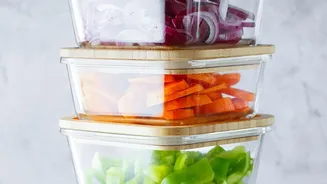
To truly conquer vertical space, you need the right tools. Shelf risers or stackable shelves can instantly double the usable surface area, allowing you to see items at the back. Clear, stackable containers are another game-changer. Decanting dry goods like rice, grains, and pasta into uniform containers not only keeps them fresh but also makes stacking neat and efficient. Don’t forget the doors; installing spice racks or narrow baskets on the inside of larder doors makes excellent use of otherwise wasted space. For deeper shelves, consider using pull-out trays or bins, which act like drawers and prevent items from getting lost in the back. Turntables, or Lazy Susans, are also brilliant for corner spaces or storing collections of oils and condiments.
Choosing the Right Freestanding Larder
When selecting a freestanding larder, consider your kitchen's size, style, and your specific storage needs. Larders come in various forms, from wide, double-door cabinets perfect for larger families to slim, single-door models ideal for smaller spaces. Look for features like internal drawers for vegetables or linens, integrated spice racks, and even a 'cold shelf' made of marble or slate, a nod to the larder's historical purpose of keeping foods cool. The material and finish should complement your existing decor, whether it's a rustic wooden piece for a country kitchen or a sleek, painted unit for a modern aesthetic. Some larders even incorporate space for small appliances, creating a hidden breakfast or coffee station to keep countertops pristine.