

From Where to What: The Rise of the Destination Stay
Welcome to the era of the 'stay-led' holiday. It's a travel philosophy where the accommodation is not just a base for exploration, but the main attraction. Instead of asking 'Where should we go?', travellers are asking 'What kind of experience do we want
to have?'. The answer might be a glass cabin with mountain views, a restored palace rich with history, or a farm stay offering a taste of rural life. This trend reflects a broader change in how people view travel. It's no longer just about seeing new places, but about feeling something new. The stay itself has become the destination. This shift is particularly strong in India, where a booming domestic tourism market is driving travellers to seek unique getaways that offer more than just a bed for the night.
The Psychology of Choosing the Stay First
This move toward experiential stays is rooted in a deeper psychological need. In a world of constant digital noise, travellers are seeking escapes that offer genuine connection and restoration. The choice is less about ticking off a bucket list of cities and more about finding a space that aligns with personal values, whether that's sustainability, wellness, or a desire for quiet authenticity. The accommodation becomes a sanctuary, a place to disconnect from routine and reconnect with oneself or with loved ones. This is especially true for wellness-focused travel, where the environment—from spa rituals to nature-led activities—is central to the entire holiday experience.
What Defines an Experience-Led Stay?
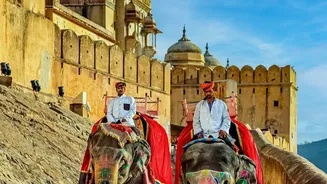
So, what transforms a simple room into a destination? It’s about offering more than just comfort and convenience. It's about a unique narrative and immersive activities. Think of 'salvage stays' in repurposed historic buildings like old factories or train depots, where the building’s story is part of the appeal. Or consider the rise of 'hobby hubs' and farm stays, which invite guests to learn a new skill, participate in agricultural life, or simply enjoy a slower pace. Even niche facilities are becoming a deciding factor; unique amenities like a private sauna or a padel court are the new status symbols for discerning travellers. In India, this trend is seen in the popularity of heritage properties, wildlife lodges that focus on immersive nature experiences, and wellness retreats that offer everything from yoga to Ayurvedic therapies.
How Social Media Fuels the Fire
The visual nature of social media has been a powerful catalyst for this trend. Platforms like Instagram and TikTok are virtual showrooms for the world’s most unique and aesthetically pleasing accommodations. A stunning photo of a hotel's unique design or a video of a guest's experience can inspire wanderlust more effectively than any brochure. Travellers scroll through feeds to discover and daydream about their next escape, making booking decisions based on what catches their eye. This visual-first approach means hotels and rental properties are no longer just selling a room; they are marketing a photogenic and memorable experience, knowing that today's guests often choose a stay based on its potential for a great story.
What This Means for the Future of Travel
The rise of the stay-led holiday is reshaping the entire travel industry. Hotels are evolving from service providers into experience curators. They are forging partnerships with local artisans, chefs, and guides to offer authentic activities that can't be found elsewhere. For travellers, this means more diverse and personalised options. The focus is shifting from mass tourism to meaningful journeys, where the quality of the stay defines the quality of the vacation. In a market increasingly driven by younger generations seeking authenticity, experiential travel in India is projected to grow significantly, becoming a central pillar of the tourism industry. This ultimately gives travellers more power to design trips that truly reflect who they are, not just where they want to go.