






Myth: The Expressway Guarantees a 2.5-Hour Trip
The Delhi-Dehradun Expressway has been hailed as a game-changer, promising to slash travel time from six hours to just two and a half. While the highway itself is a feat of engineering, the 2.5-hour claim comes with major caveats. This best-case-scenario
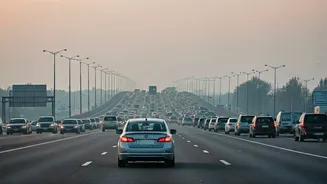
timing is from the expressway's start to Dehradun's entry point, under ideal, low-traffic conditions. For a weekend traveller, the reality is far different. Getting to the expressway from parts of Delhi NCR can itself take an hour or more. Once you arrive, you’re not alone. The easier access has dramatically increased the volume of vehicles, leading to massive traffic jams, especially on weekends as you enter Dehradun and head towards popular spots like Mussoorie. Recent weekends have seen over 45,000 vehicles pour into the district, choking city roads and turning the final leg of your journey into a gruelling crawl. So, while the highway part is fast, the total door-to-door journey can still be a lengthy affair.
Myth: It’s a Peaceful Escape from City Crowds
The vision of a serene Himalayan getaway quickly dissolves when you arrive. The same ease of travel that attracts you also attracts tens of thousands of others. Destinations like Dehradun, Mussoorie, and Rishikesh are now grappling with over-tourism, especially during summer holidays and long weekends. The very accessibility of the new expressway has intensified this rush. Local police are now frequently implementing complex, multi-tiered traffic plans just to manage the weekend influx, diverting cars and sometimes forcing tourists to park and use local transport to reach Mussoorie's main areas. Instead of quiet nature trails, you’re more likely to find crowded mall roads, fully booked hotels, and long queues at cafes. The 'hidden gems' popularized on social media are also seeing a surge in visitors, leading to littering and overcrowding in once-pristine natural spots.
Myth: A Spontaneous Trip is the Best Kind
Spontaneity might seem romantic, but for a Delhi-Dehradun trip, it’s a recipe for frustration. Hitting the road without a plan means you’ll likely drive straight into peak traffic. To beat the jams, an early morning start (think 5 AM) is no longer a suggestion but a necessity. Furthermore, the surge in weekend tourists leads to dynamic pricing for everything. Hotels often run at full capacity, and last-minute bookings command a hefty premium. Even finding a decent place to eat can involve long waits. The authorities often implement traffic diversions that can be confusing for unprepared tourists, routing them through unfamiliar village roads to ease congestion on main arteries. A successful trip now requires strategic planning: booking accommodation weeks in advance, researching traffic patterns, and having alternative routes mapped out.
Myth: The Journey is a Victimless Pleasure
The massive influx of cars and tourists carries a significant environmental cost. The sensitive ecosystem of the Himalayan foothills is under immense pressure from the sheer volume of visitors. Unchecked tourism contributes to increased solid waste, with plastic packets and bottles now a common sight in forest areas and riverbeds. This pollution contaminates vital water sources that supply Dehradun. The boom in construction to cater to tourists, often unplanned, leads to deforestation and soil erosion on fragile slopes, increasing the risk of landslides. While the expressway itself includes features like a 12-km elevated wildlife corridor to protect animal movement in Rajaji National Park, the broader impact of funnelling more people and vehicles into the region cannot be ignored. A mindful traveller must consider this impact, perhaps by choosing off-season travel, minimizing waste, and supporting sustainable local businesses.