




A Symphony of Warmth and Richness
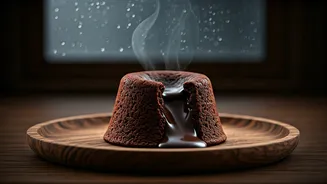
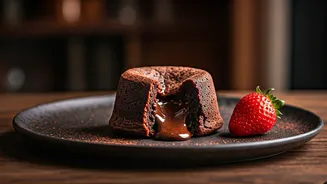
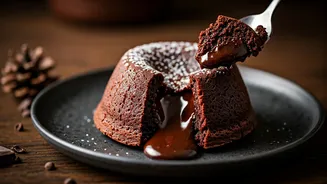
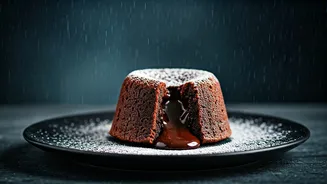
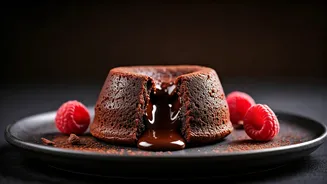
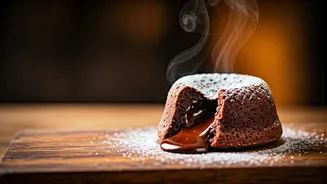
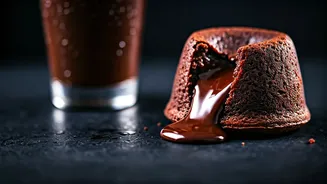
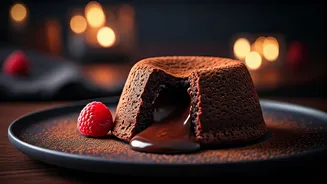
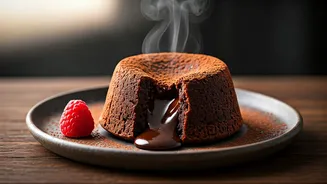
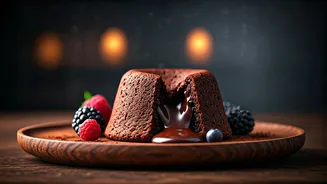
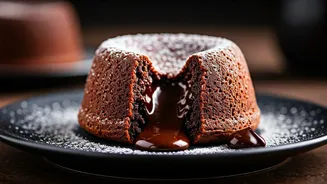
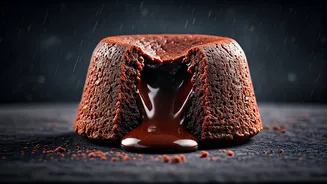
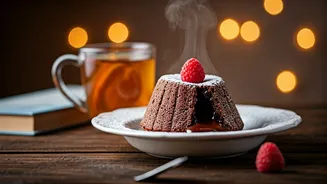
There is a unique magic to a chocolate lava cake, a dessert that is as much an experience as it is a food. It arrives warm, a modest-looking cake that holds a spectacular secret. The first dip of the spoon breaks through the tender, cakey exterior, releasing
a river of warm, molten chocolate. That contrast—the firm cake and the liquid core—is what makes it so irresistible. [18] It’s a sensory delight, combining the intense flavour of high-quality dark chocolate with a luxurious, flowing texture. [18] Often paired with a scoop of cold vanilla ice cream, it creates a delightful play of temperatures that elevates the experience from a simple dessert to a moment of pure indulgence. This contrast between hot and cold, and soft and firm, is precisely what makes it a culinary icon. [2, 23]
The Science of Rainy Day Cravings
Why do we yearn for such rich treats when it rains? There’s a scientific reason behind our monsoon munchies. The lack of sunlight on overcast days can cause a dip in our body's production of serotonin, the 'happiness hormone'. [8, 15] In response, our brain seeks out ways to get a quick mood boost. Carbohydrates and sugary foods, like cake, can help increase serotonin levels, making us feel happier and more relaxed, albeit temporarily. [8, 15] Furthermore, the act of eating warm food on a cool, damp day helps regulate our body temperature, providing a physical sense of warmth and comfort. [8, 12] Food becomes a source of emotional security, and the nostalgia associated with comforting meals from our childhood further amplifies this feeling. [8, 12]
A Modern Addition to Monsoon Traditions
While India has a rich tradition of monsoon-specific snacks like hot pakoras, samosas, and roasted bhutta, the chocolate lava cake has seamlessly integrated itself into this culinary landscape as a modern comfort classic. [11] Though its origins are debated between French chef Michel Bras, who says he invented it in 1981, and American-based chef Jean-Georges Vongerichten, who claims an accidental discovery in 1987, the dessert's global popularity exploded in the 1990s. [2, 3, 4] It quickly transitioned from high-end restaurant menus to beloved chain restaurants and home kitchens. [4, 6] Its adoption in India fits perfectly with the existing culture of seeking out warm, indulgent, and satisfying foods to counteract the damp and gloom of the rainy season. Much like a hot cup of masala chai or a plate of crispy bhajis, it offers a delicious respite from the downpour. [9, 11]
The Art of the Perfect Ooze
What separates a good lava cake from a great one is precision. Despite its simple list of ingredients—typically just butter, high-quality chocolate, eggs, sugar, and a little flour—the magic lies in the baking. [3, 10] The goal is to cook the cake just enough for the edges to set while leaving the center gloriously underbaked and liquid. [14] This requires a very hot oven and a very specific baking time, often just around 12 minutes. [14, 16] The quality of the chocolate is paramount, as it dictates the flavour and richness of both the cake and its molten core. [17] Whether you're indulging at a fine restaurant, enjoying a popular chain's version, or attempting the delicate art of baking one at home, the reward is always that deeply satisfying, chocolatey 'wow' moment when the lava finally flows. [18]