


The Psychology of Space
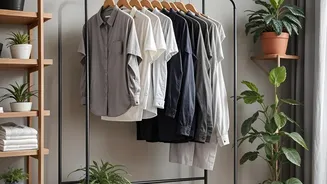
The feeling of a room being “large” or “small” is as much a psychological perception as it is a physical reality. Clutter and bulky, single-use furniture can make even a reasonably sized room feel cramped and stressful. Studies have shown that organised,
decluttered environments can reduce stress levels and improve mental clarity. Multi-functional furniture tackles this by its very nature. By serving multiple needs with a single footprint, it inherently reduces the number of items in a room, clearing visual noise and creating an illusion of spaciousness. Light-coloured furniture and pieces with exposed legs also contribute by allowing light and air to flow more freely, making the area feel more open.
The Art of Transformation
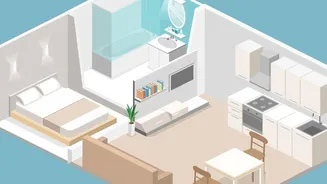
The core of multi-functional design is transformation. Think of a sofa that seamlessly unfolds into a bed at night, eliminating the need for a separate guest room or making a studio apartment far more versatile. Similarly, a coffee table that can be lifted and expanded to become a dining table or a workstation is a game-changer in a small living area. These pieces adapt to your needs throughout the day. What serves as a compact console table against a wall can fold out to become a dining space for four, and then fold away again, reclaiming precious floor space when the meal is over. This adaptability is crucial in co-living, where common areas must serve multiple residents and functions.
Thinking Vertically
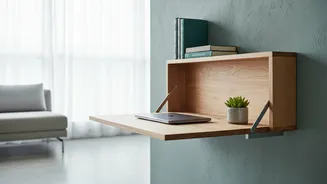
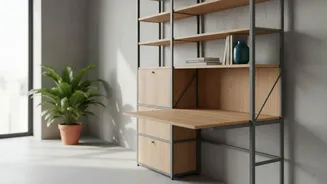
One of the most underutilised assets in a small apartment is vertical space. Smart furniture design encourages you to think upwards instead of outwards. Wall-mounted desks and dining tables are prime examples; they offer a sturdy surface when needed and fold flat against the wall when not in use, freeing up the floor for movement. This is particularly useful for creating a work-from-home nook without permanently sacrificing a corner of the room. Tall, slim bookshelves draw the eye upward, making the ceiling feel higher, while floating shelves provide storage for books and decor without the visual bulk of traditional cabinets.
Clever and Concealed Storage
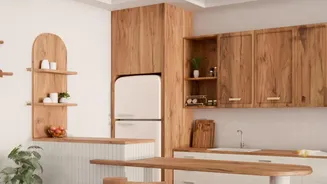
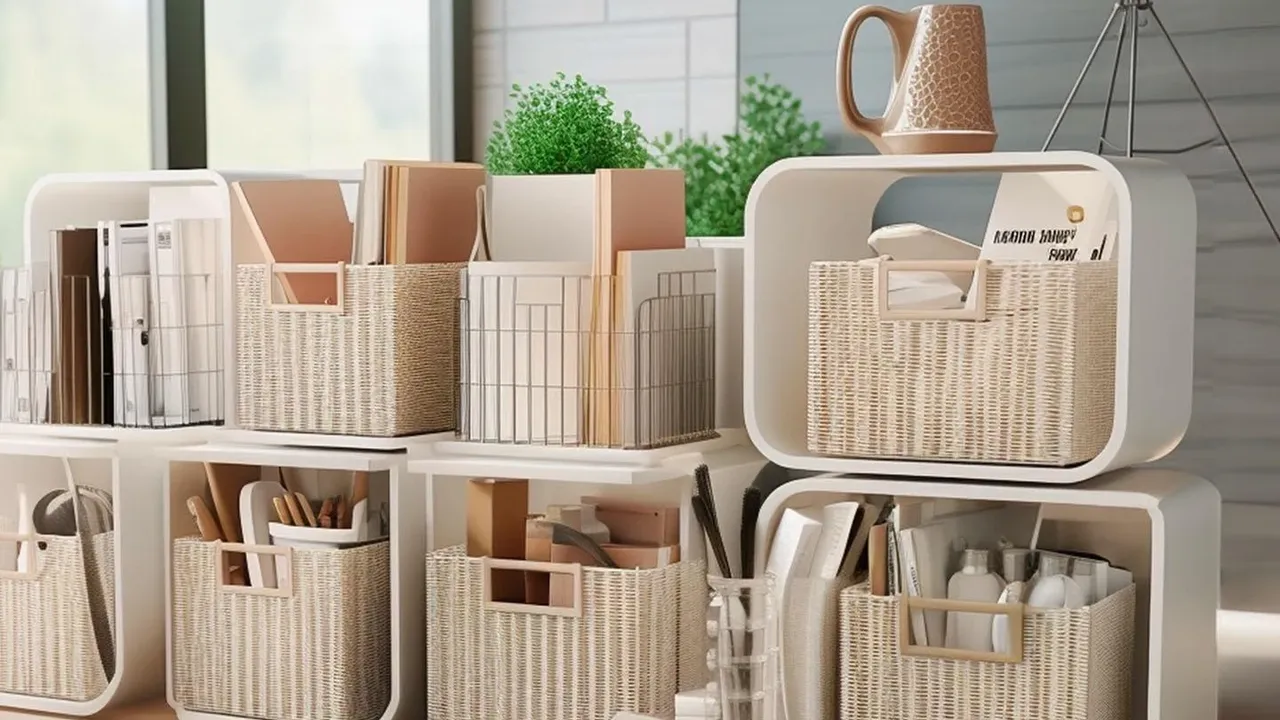
Visual clutter is the enemy of a spacious-feeling home. Multi-functional furniture often comes with ingenious hidden storage. Ottomans and benches with lift-up tops can store everything from extra cushions to magazines, all while providing extra seating. Beds with hydraulic lift mechanisms reveal a massive storage area underneath, perfect for stowing away luggage and seasonal bedding, things that typically clog up cupboards. Even nesting tables, which stack together when not needed, are a form of functional storage, providing extra surfaces only when required. By giving everything a place out of sight, these pieces help maintain a clean, organised look.
Improving Co-Living Dynamics
In a shared living environment, furniture isn't just about utility; it's about harmony. Flexible furniture can help define zones within a shared space, creating a sense of personal area even in an open-plan room. A modular sofa can be configured for a movie night or separated for individual lounging. A foldable desk allows one roommate to work without dominating the shared living area. By reducing clutter and maximising usable space, this furniture minimises potential friction points over mess and organisation. It fosters a more collaborative and comfortable environment where the home feels like a supportive base for everyone, not a source of conflict.