





The New Urban Reality
The dream of a spacious home is becoming a luxury for many in urban India. Whether you’re in a 2BHK in Mumbai, a studio apartment in Bengaluru, or a rented flat in Delhi, every square foot is precious. This spatial constraint, combined with the seismic
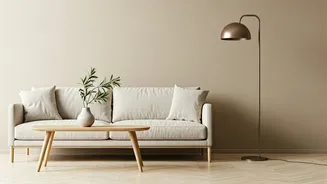
shift towards remote work, has fundamentally changed what we need from our living spaces. A home is no longer just a place to rest; it’s an office, a gym, a classroom, and a social hub. This is where the old rules of interior design break down. A heavy, single-purpose Sheesham wood bed or a massive sectional sofa that dominates the living room can become liabilities in a home that needs to adapt and transform throughout the day.
Beyond the Humble Sofa Bed
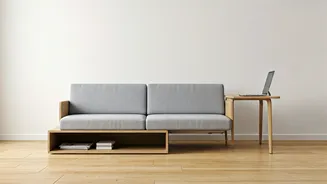
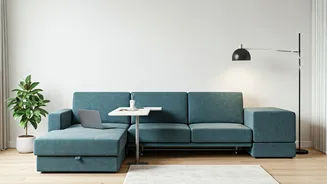
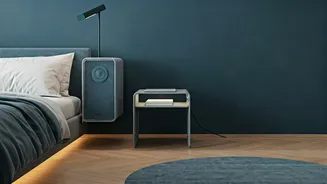
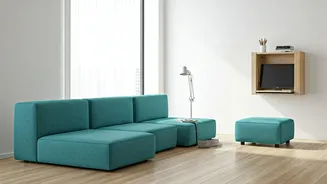
When people hear “flexible furniture,” they often think of the classic sofa-cum-bed, a staple for accommodating overnight guests. While still incredibly useful, the world of adaptable furniture has evolved far beyond that. Today, innovation in design is creating pieces that are not just dual-purpose, but truly multi-functional. Think of coffee tables that rise to become dining tables or work desks. Consider nesting tables that can be spread out when guests are over and tucked away neatly afterwards. There are modular sofas that can be reconfigured from a large L-shape into separate seating arrangements, or even beds with built-in storage drawers and hydraulic lifts that reveal a cavernous space for storing winter clothes and extra linens. These pieces aren't just furniture; they are smart solutions to the puzzle of modern living.
Reclaiming Your Work-Life Balance
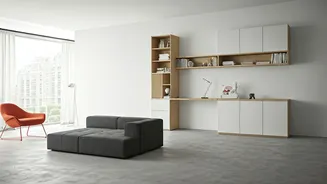
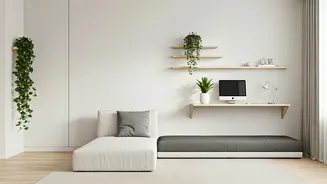
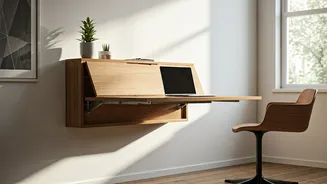
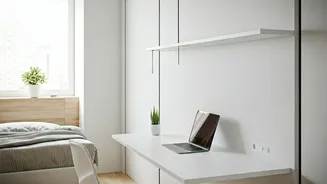
The work-from-home era has blurred the lines between our professional and personal lives. Working from the dining table or the bed is not a sustainable long-term solution for mental well-being. Flexible furniture offers a way to create distinct zones without building walls. A 'murphy desk' or a wall-mounted folding desk can create an instant, dedicated workspace that disappears at the end of the day, allowing you to mentally clock out and reclaim your living room. A simple bookshelf that doubles as a room divider can visually separate your work corner from your relaxation area. This ability to transform a space helps restore the boundaries that are crucial for a healthy work-life balance.
The Joy of a Clutter-Free Mind
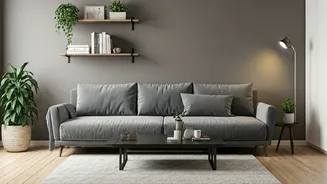
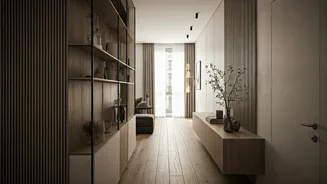
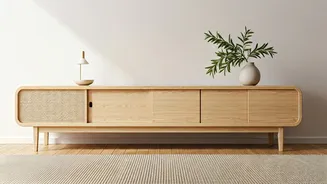
A cluttered space often leads to a cluttered mind. Flexible furniture, by its very nature, encourages a more minimalist and organised approach to living. When your ottoman has hidden storage, your bed frame hides your seasonal belongings, and your TV unit has cleverly concealed compartments, it becomes easier to achieve a clean, uncluttered aesthetic. This isn't just about looking good for Instagram; it's about reducing visual noise and creating a calming, serene environment. Living in a space that feels organised and intentional can significantly reduce stress and improve your overall quality of life. It’s the principle of “a place for everything, and everything in its place,” supercharged for the 21st-century home.
How to Choose Smart Pieces
When investing in flexible furniture, look for quality and ingenuity. Prioritise pieces with smooth, durable mechanisms—a folding table that’s difficult to fold is worse than no table at all. Consider materials that are both lightweight and sturdy. Look for designs that serve at least two distinct functions you will actually use. Before buying, measure your space meticulously and visualise how the piece will function in both its primary and secondary forms. The goal is to find items that solve your specific problems, whether it's a lack of storage, a need for a guest bed, or the absence of a proper workspace.