


The Science Behind the Grain
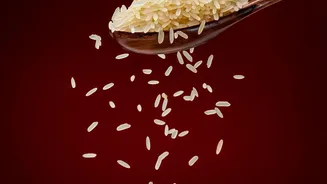
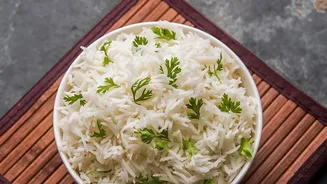
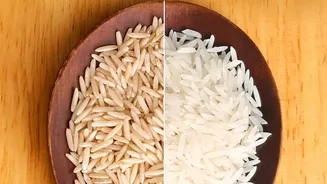
The fundamental difference between long-grain and short-grain rice lies in their starch composition. Rice contains two starches: amylose and amylopectin. Think of them as the rice's personality traits. Long-grain varieties like Basmati and Jasmine are
high in amylose, a long, straight starch molecule that doesn’t gelatinize much during cooking. This results in cooked grains that are separate, light, and fluffy. Short-grain rice, such as Arborio or sushi rice, is high in amylopectin. This highly branched starch molecule is what creates a soft, sticky, or creamy texture when cooked, as the grains cling together. Understanding this simple science is the key to predicting how your rice will behave in the pot.
Mastering Long-Grain Rice
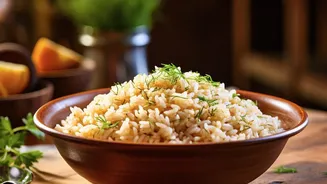
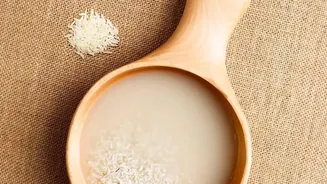
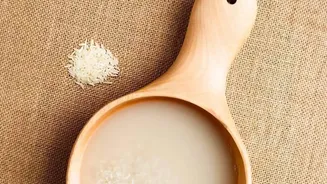
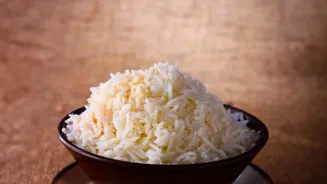
The goal with long-grain rice is to achieve distinct, separate grains, perfect for pilafs, curries, or as a simple side dish. To get there, rinsing is a crucial first step. Washing the rice in cold water until the water runs clear removes excess surface starch that can cause stickiness. For a classic absorption method, a common ratio is 1 cup of rice to 1.5 or 2 cups of water. Bring the water and rice to a simmer in an uncovered pot. Once the surface is bubbly, reduce the heat to low, cover tightly, and cook for about 12-15 minutes without peeking. The 'no peeking' rule is vital—it keeps the steam trapped, which is what actually cooks the rice. After the time is up, remove the pot from the heat and let it stand, still covered, for 5-10 minutes. This rest period allows the moisture to distribute evenly, finishing the cooking process gently. Finally, fluff with a fork to separate the grains before serving.
Perfecting Short-Grain Rice
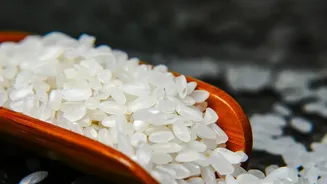
When you want creaminess or stickiness, short-grain rice is your hero. Think of creamy risotto or the perfectly formed grains in sushi. Here, the handling is often the opposite of its long-grain cousin. For dishes like risotto made with Arborio rice, you should not rinse the grains. That starchy coating is essential for creating the signature creamy texture as you stir and gradually add liquid. For Japanese-style rice, however, a different approach is needed. The rice is washed thoroughly to remove excess surface starch, but its inherent stickiness is preserved for cohesion. The cooking process relies on precise water ratios (often closer to 1:1 or 1:1.2) and a similar steam-and-rest method. After cooking, it's left to stand, which allows the grains to become perfectly sticky and tender, ideal for shaping into sushi or onigiri.
Common Mistakes and Easy Fixes
Gummy, mushy rice is a common frustration, often caused by using too much water or stirring long-grain rice during cooking, which releases extra starch. If your rice is cooked but still too wet, try removing the lid and cooking on low for a few more minutes to let the excess moisture evaporate. You can also place a clean tea towel over the pot, then replace the lid for 5-10 minutes to absorb residual steam. If your rice is burnt on the bottom, the heat was likely too high during the simmering stage. Conversely, if the rice is undercooked and crunchy, it probably needed more water or a longer cooking time. You can often salvage it by adding a few tablespoons of hot water, covering the pot, and letting it steam on low for another 5-10 minutes.