





Understanding the Monsoon's Retreat
The Southwest Monsoon doesn't end everywhere at once; it withdraws in a staggered manner over several weeks. The process typically begins in early September from the arid northwestern regions, like Rajasthan. From there, the line of withdrawal moves progressively
southeast across the country. This means that while northern states might be enjoying dry, sunny days by mid-September, the monsoon could still be quite active in the south and northeast. Planning a trip this month requires choosing your destination based on this predictable, yet gradual, pattern.
North India: Dry Deserts and Clear Mountains
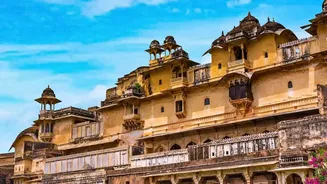
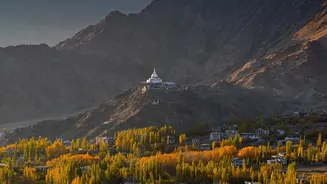
September is an excellent time to explore North India. In Rajasthan, the monsoon departs early, leaving behind pleasant temperatures and a surprisingly green landscape, especially in the Aravalli hills around Udaipur and Mount Abu. With daytime temperatures often in the low 30s Celsius and fewer tourists, it's an ideal shoulder season for visiting cities like Jaipur and Jodhpur. Further north in the Himalayas, states like Himachal Pradesh begin to shine. The post-monsoon air is exceptionally clear, offering crisp views of the snow-capped peaks. While early September can still see showers and potential road disruptions, the latter half of the month is generally perfect for trekking and road trips to places like Shimla and Manali. However, always check local advisories for road conditions, as landslides can still be a risk after heavy rains.
West & Central India: Green Plateaus and Quieter Coasts
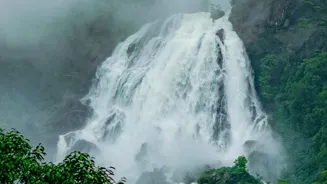
For Maharashtra and Goa, September is a period of lush beauty. The Western Ghats, including hill stations like Lonavala and Mahabaleshwar, are at their most scenic, draped in green and threaded with full-flowing waterfalls. While the heaviest rains have passed, intermittent showers are still common, keeping the atmosphere fresh and cool. Goa's beaches are quiet, as the main tourist season hasn't kicked off yet. This means you can enjoy the serene coastline with fewer crowds, although many beach shacks may still be closed. Central India sees a similar pattern, with national parks slowly preparing to reopen after the monsoon, offering vibrant green landscapes.
South India: A Mixed Weather Bag
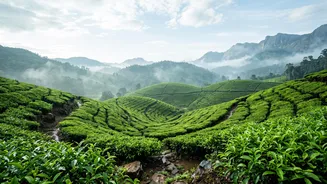
The south presents a more complex picture. In Kerala, the Southwest Monsoon is still lingering, though rainfall is less intense than in July and August. You can expect a mix of sunny periods and moderate showers, with high humidity. The backwaters and hill stations like Munnar are stunningly verdant this time of year. However, if you're seeking drier weather, the state of Tamil Nadu, which lies in the rain-shadow region, is a better bet. It receives most of its rain during the later Northeast Monsoon (October-December). Karnataka's destinations like Coorg and Chikmagalur are also exceptionally beautiful and lush, having just been nourished by the monsoon rains.
Travel and Packing Tips for a September Trip
Flexibility is key when travelling in September. Always have a backup plan in case of rain delays. Pack lightweight, quick-drying clothes, as humidity can be high and fabrics take longer to dry. A waterproof jacket and a sturdy umbrella are essential, regardless of your destination. Good-quality waterproof footwear with a solid grip is also a must, as paths can be slippery. Don't forget insect repellent, as mosquitoes can be prevalent after the rains. Lastly, keep a few buffer days in your itinerary, especially if travelling in the mountains or areas where the monsoon is still active, to account for any potential travel disruptions.