






The Tyranny of the Hot Stove
For many, the rhythm of an Indian kitchen is defined by the sizzle of a tadka, the slow simmering of a dal, or the puffing of rotis on a tawa. These are comforting sounds, but in the oppressive heat of May and June, they represent a significant energy
drain—both on our power grids and our personal stamina. The traditional, labour-intensive cooking methods that feel nourishing in winter become an ordeal in summer. The kitchen, often the heart of the home, transforms into the hottest room in the house, making meal preparation a sweaty, exhausting task. This isn't just about discomfort; it’s about reclaiming our time and well-being when the weather is already working against us.
Embrace the Power of Cooling Ingredients
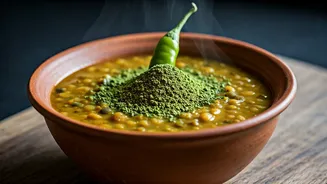
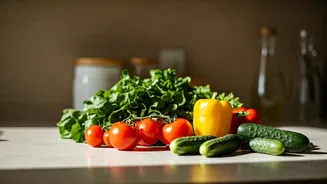
The first step to a low-cook summer is shifting your pantry's focus. Nature provides a bounty of ingredients that are naturally hydrating and cooling. Make cucumber, mint, watermelon, and tomatoes your best friends. Yoghurt (dahi) is a non-negotiable summer staple, perfect for making raitas, lassis, or simply eating on its own. Sattu, a humble roasted gram flour from Bihar and UP, is a powerhouse of protein and fibre that requires no cooking; just mix it into a sherbet or a savoury drink. Similarly, tender coconut water, sugarcane juice, and fruits like lychee and mango are not just treats but essential tools for staying cool from the inside out. Building your meals around these ingredients automatically reduces your reliance on heat.
Breakfast Without the Flame
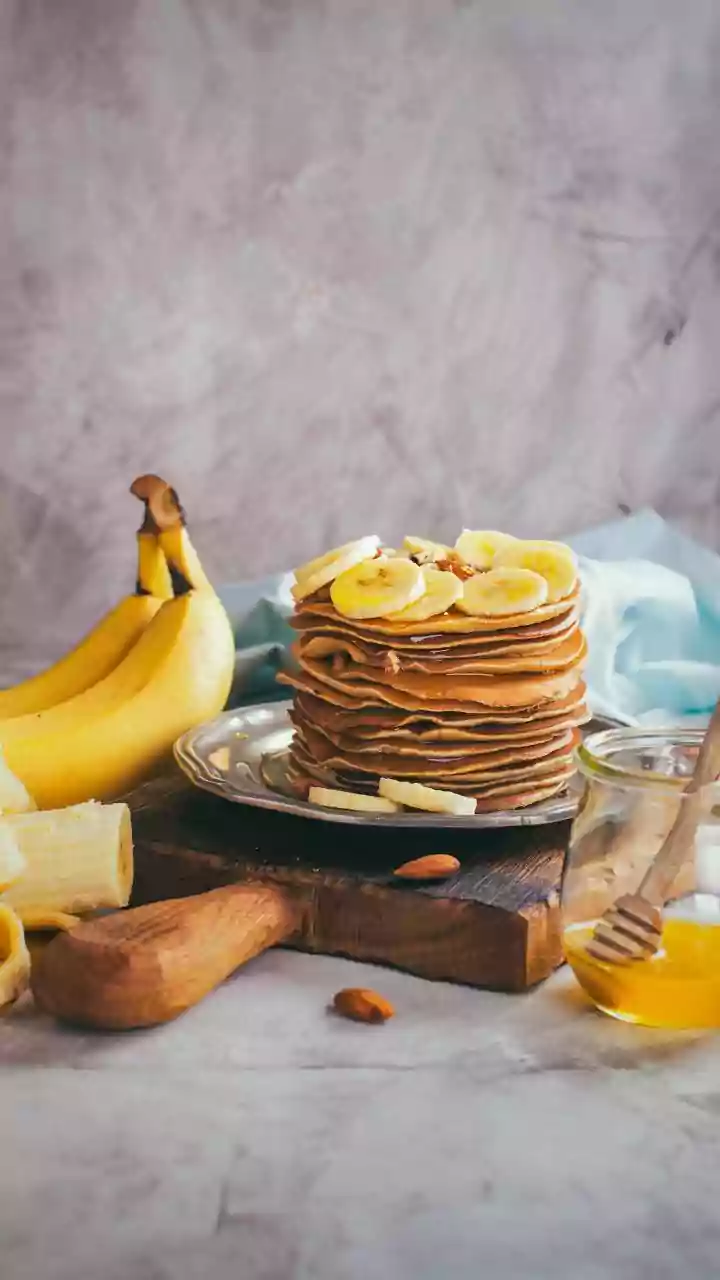
Starting your day without turning on the gas stove is a game-changer. Instead of poha or parathas, consider no-cook alternatives. A simple bowl of dahi with fresh fruit, nuts, and a drizzle of honey is both filling and refreshing. Overnight oats can be adapted for Indian palates with a pinch of cardamom, some saffron strands, or a spoonful of gulkand (rose petal jam). Fruit smoothies are another excellent option; blend mango or banana with yoghurt, a splash of milk, and some chia seeds for a quick, nutritious, and entirely heat-free breakfast that will keep you energised until lunch.
Rethink Your Lunch and Dinner
Lunch, often the hottest part of the day, is the most crucial meal to de-heat. This is where salads come into their own. But forget bland lettuce bowls; think hearty, flavourful creations. A sprouted moong dal salad with chopped onions, tomatoes, coriander, and a squeeze of lime is a classic. A chana (chickpea) salad with cucumber and mint is equally robust. For dinner, minimise your time at the stove. Plan for one-pot meals made in a pressure cooker, which contains heat efficiently and drastically cuts down cooking time. A simple vegetable pulao or a light dal khichdi can be prepared in under 20 minutes. Another strategy is to batch-cook basics like boiled potatoes or dal and use them in different, low-cook preparations throughout the week.
The Art of the Cold Meal
The concept of a 'cold' dinner might seem foreign, but many traditional dishes fit the bill. Curd rice (dahi bhaat or thayir sadam) is a South Indian summer saviour for a reason: it's delicious, cooling, and requires only pre-cooked rice. Panta bhat, a fermented rice dish from Bengal, is another traditional example of a meal designed for the heat. You can also assemble delicious sandwiches or wraps using pre-made fillings. A paneer bhurji made in the morning can be used as a cold filling for a wrap at dinner, combined with crisp lettuce and a mint-yoghurt sauce. It’s about assembling, not cooking.