





Waterproof and Breathable Jacket
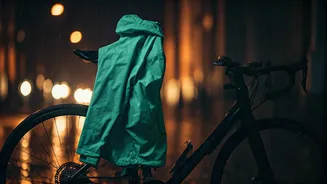
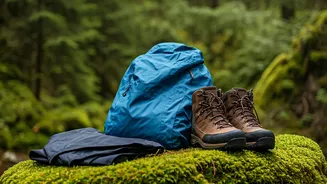
The most crucial piece of gear is a high-quality waterproof jacket. Look for one that is not only water-resistant but also breathable. During humid monsoon rides, you'll sweat, and a breathable fabric allows that moisture to escape, keeping you from getting
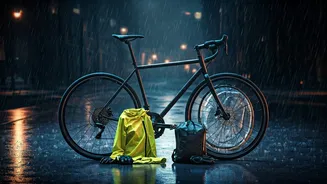
clammy and cold. [12] Jackets with taped or sealed seams offer the best protection, preventing water from seeping through the stitching. [8] Bright, high-visibility colours and reflective details are also vital for being seen by motorists in low-light, rainy conditions. [14]
Full-Length Mudguards (Fenders)
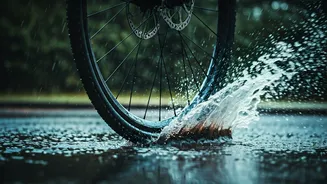
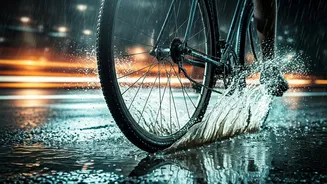
Mudguards, or fenders, are non-negotiable for monsoon cycling. They are your first line of defense, preventing water, mud, and grime from the road from splashing up onto you, your clothes, and crucial bike components. [7, 17] A stream of gritty water to the face or a soaked back can ruin a ride. More importantly, keeping this spray off your drivetrain helps reduce wear and tear. [5] Both front and rear mudguards are recommended for maximum protection. [3]
Reliable Bike Lights
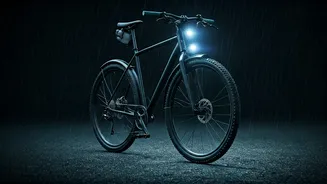
Overcast skies and heavy downpours drastically reduce visibility. A powerful set of front and rear lights is essential for your safety, ensuring you can see the road ahead and that others can see you. [6, 11] Even for daytime rides, a flashing rear light makes you significantly more noticeable to traffic. [14] Before every ride, ensure your lights are fully charged and securely mounted. [3]
Wet-Condition Chain Lubricant
Rain washes away standard lubricant and introduces grit into your drivetrain, accelerating rust and wear. A dedicated 'wet lube' is designed to be more durable and water-resistant, sticking to the chain for longer in damp conditions. [3, 8] After riding in the rain, it's critical to clean your chain to remove mud and debris, dry it thoroughly, and then reapply a wet lubricant. [5, 9] This simple maintenance step will protect your chain and gears, ensuring smooth shifting and preventing costly damage. [4]
Waterproof Gloves and Shoe Covers
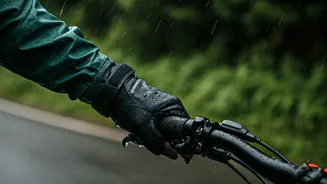
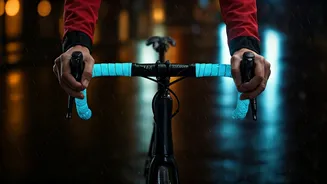
Cold, wet hands can become stiff, making it difficult to grip the handlebars and operate brakes and gears safely. [2, 10] Waterproof gloves keep your hands dry and warm, ensuring you maintain control. [18] Similarly, nothing ends a ride faster than soaked, cold feet. Waterproof shoe covers or socks protect your feet from rain and road spray. [6, 7] Neoprene is a great material for this, as it insulates even when wet. [15]
Tires with Good Tread and Proper Pressure
Your tires are your only connection to the slippery road. Ensure they have adequate tread depth to channel water away and provide grip. [10] Riding with slightly lower tire pressure (about 5-10 psi less than usual) can increase the contact patch with the road, further improving traction on wet surfaces. [6, 14] Before you head out, always inspect your tires for wear and any embedded debris picked up from the messy roads. [11]
Waterproof Bags for Your Essentials
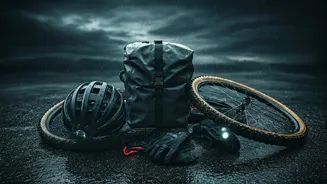
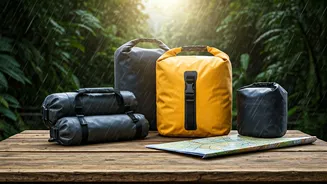
Whether you're commuting or just out for a ride, you’ll want to keep your phone, wallet, and other essentials dry. A waterproof backpack, pannier, or even a simple handlebar bag is a worthy investment. [17, 18] For extra security, you can place electronics inside a small zip-lock bag before putting them in your main pack. [17] There's nothing worse than finishing a great ride only to find your phone has been water-damaged.