


Embrace the Magic of Brown Butter
If you’re still using plain melted butter in your recipes, you're missing out on one of the simplest and most effective upgrades in the baking world. Brown butter, or 'beurre noisette' as the French call it, is simply butter that has been cooked gently
until the milk solids toast and turn a beautiful amber colour. The process transforms its flavour from simply creamy to deeply nutty, aromatic, and complex. It adds a sophisticated, caramel-like depth that can make a simple chocolate chip cookie or a pan of brownies taste like a gourmet creation. Making it is easy: just melt unsalted butter in a light-coloured pan over medium heat. It will foam, then sizzle. Swirl the pan continuously until you see little brown specks at the bottom and smell a rich, nutty aroma. Immediately pour it into a heatproof bowl to stop the cooking. Use it in place of melted butter in your next batch of cookies, blondies, or even to pour over a simple cake.
Salt Isn't Just for Savoury Food
One of the biggest mistakes amateur bakers make is under-salting their sweets. Salt doesn't just make things 'salty'; in desserts, its primary role is to balance sweetness and enhance other flavours. Think about salted caramel—that sprinkle of sea salt cuts through the intense sugar and makes the caramel flavour pop. The same principle applies to everything else. A proper amount of salt in your cookie dough will make the vanilla taste more fragrant and the chocolate more profound. A tiny pinch in a fruit pie filling can brighten the taste of the berries. The key is using the right kind and at the right time. Fine sea salt is great for mixing into batters and doughs. For a final flourish, a sprinkle of flaky sea salt (like Maldon) over just-baked chocolate chip cookies or a dark chocolate tart adds a delightful crunch and a final burst of flavour that excites the palate.
Master the Art of Texture Contrast
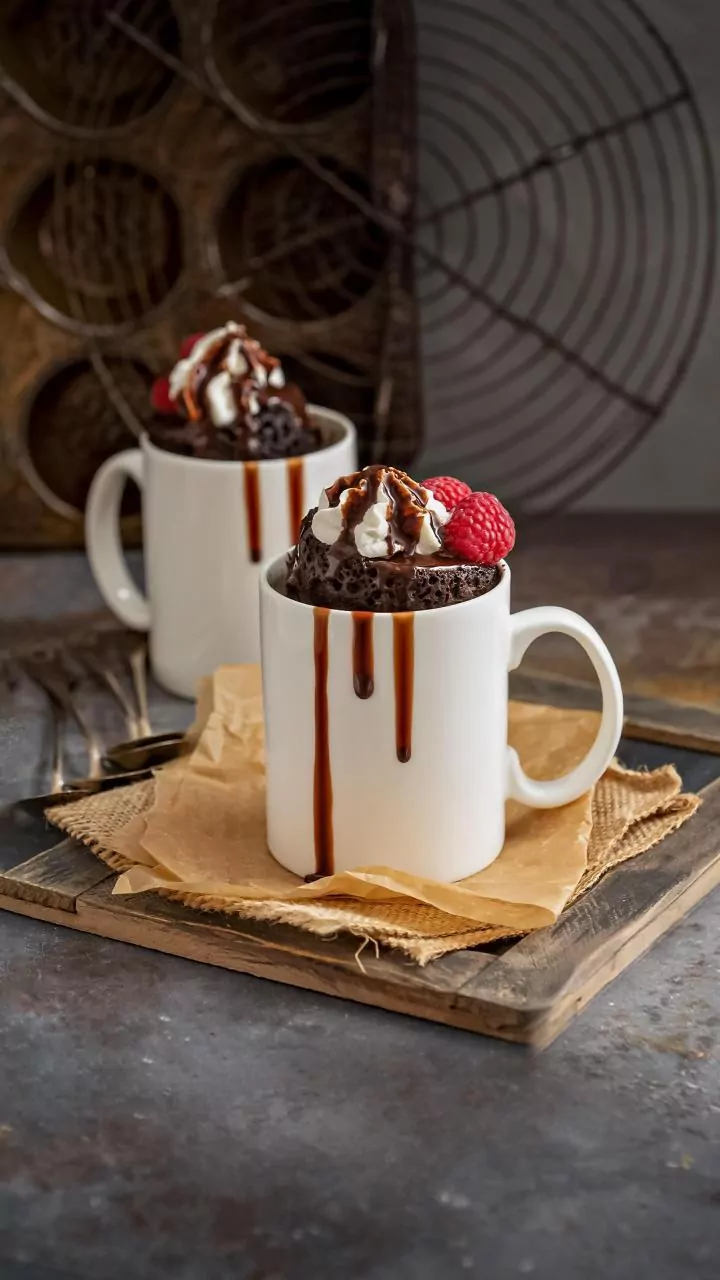
The most memorable desserts play with texture. A single-note, one-dimensional texture can be boring, no matter how good it tastes. Think about a creamy panna cotta — it’s delicious, but it becomes extraordinary when served with a crunchy biscotti or a crisp almond brittle. This contrast keeps every bite interesting. Start thinking like a chef: if your dessert is soft and creamy, what can you add that’s crunchy? Toasted nuts, a granola crumble, or a shard of dark chocolate work wonders. If your dessert is a dense, fudgy brownie, how can you introduce softness? A dollop of lightly whipped cream, a scoop of vanilla ice cream, or a silky chocolate sauce. Even a simple apple crumble works because of the contrast between the soft, stewed fruit and the crunchy, buttery topping. Before you serve your next creation, ask yourself: 'Where's the crunch? Where's the creaminess?'
Temperature Is a Secret Ingredient
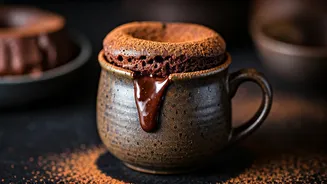
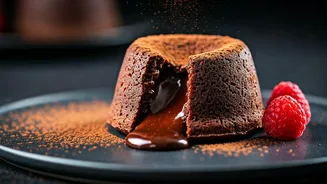
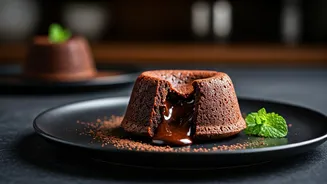
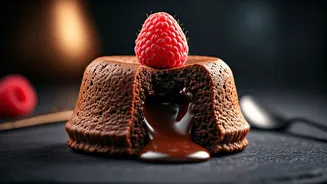
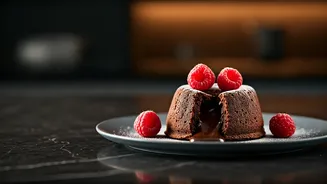
We obsess over ingredient temperatures in cooking, but often forget them in baking. Yet, temperature is one of your most powerful tools. First, consider your dough. Chilling cookie dough for at least 24 hours before baking isn't just a fussy step. It allows the flour to fully hydrate and the flavours to deepen, resulting in a richer taste. More importantly, it solidifies the butter, which prevents your cookies from spreading into thin, sad discs in the oven. You get thicker, chewier cookies every time. Secondly, think about serving temperature. A chocolate lava cake is only magical when it’s hot. A cheesecake’s flavour and texture are best when it’s been allowed to sit out of the fridge for 20-30 minutes to take the chill off. Most cakes, especially those with buttercream, taste infinitely better at room temperature when the fats are soft and flavourful, not hard and cold. Serving your dessert at its optimal temperature is a zero-effort trick that makes a world of difference.
A Simple Garnish Speaks Volumes
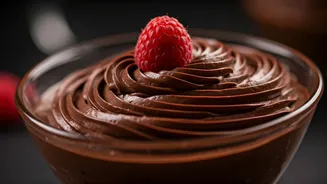
We eat with our eyes first, and a thoughtful garnish is the bridge between 'homemade' and 'chef-made'. This doesn’t require intricate piping skills or sugar work. The best garnishes are often the simplest. A dusting of icing sugar or unsweetened cocoa powder over a cake can hide imperfections and add instant elegance. A vibrant, quick raspberry coulis (just blitz frozen raspberries with a little sugar and a squeeze of lemon juice) drizzled on a plate instantly elevates a slice of cheesecake or a simple scoop of ice cream. A few fresh mint leaves next to a chocolate dessert provides a pop of colour and a hint of fresh aroma. The zest of a lemon or orange grated over a creamy dessert adds visual appeal and a burst of fragrance right before the first bite. These small touches take seconds but communicate care and intentionality, making your dessert feel far more special.