

Why Photos Can Be Deceiving
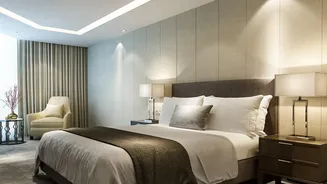
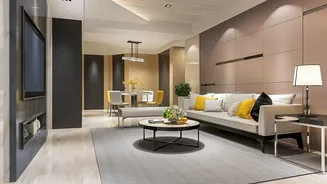
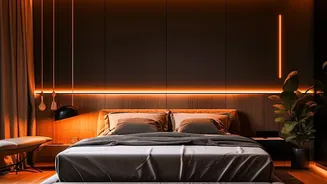
Hotel photography is a marketing art form designed to make every space look its absolute best. Professionals use a variety of techniques that can unintentionally mislead even the most careful traveler. Wide-angle lenses are a primary tool, making rooms
appear far more spacious than they are in reality. These lenses can distort proportions, stretching the edges of the frame to create an illusion of depth. Look for warped furniture near the photo's edge as a tell-tale sign. Lighting is also heavily manipulated. Photos are taken at the perfect time of day with professional equipment to create a bright, airy feel that might not exist on a cloudy afternoon. Sometimes, a beautiful sky is even edited in later. Photographers may also shoot from low angles to make pools seem larger or use clever cropping to hide unattractive features just out of frame.
Decoding Vague Room Categories
What is the real difference between a “Superior,” “Deluxe,” or “Executive” room? Often, not much. These titles are inconsistent across the hotel industry and can be used to create a sense of premium value for what might be a standard room with a slightly better kettle. A hotel will often use the single best photo to represent an entire category of rooms. This means the picture of a corner room with panoramic windows might be used for all “Deluxe King” bookings, even though most rooms in that category have a standard window facing the car park. An “Ocean View” might technically be accurate if you can see a sliver of blue by pressing your face to the glass, but it’s not the expansive vista you imagined. Always check the listed square footage to get a real sense of size, and don't let ambiguous marketing terms dictate your expectations.
Your Pre-Booking Investigation
The single most powerful tool for a traveler is user-generated content. Ignore the hotel's professional gallery and seek out photos taken by actual guests. Websites like TripAdvisor and Google Maps have sections for traveler photos that provide an unfiltered look at what you can expect. These candid shots reveal the true size of the room, the actual view, and the general state of wear and tear that professional photos are designed to hide. While looking at reviews, use keywords to search for comments on specific room numbers or floors, as travelers often share tips on which ones to request or avoid. Some dedicated platforms even specialize in cataloging real hotel room views submitted by users, allowing you to see the exact perspective before you commit.
Mastering the Details
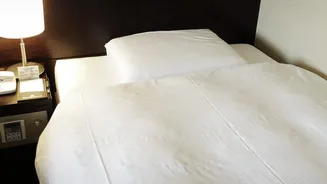
Beyond the basic room layout, photos can be misleading about finer points. If the windows in a professional photo are blown out with bright white light, it could be a deliberate tactic to hide an unappealing view, such as a brick wall or noisy construction. Also, pay attention to the amenities shown versus those listed. A photo might feature a premium coffee machine, but the room description only promises instant coffee. The bedding can also be a clue; crisp, all-white bedding often signals a hotel has modern standards of cleanliness, while dated, patterned bedspreads can be a red flag for a property that hasn't been updated. Don't be afraid to contact the hotel directly with specific questions. Asking “Does room 402 have an obstructed view?” is more effective than asking for a “nice view.”
What to Do If the Room Disappoints
Despite your best efforts, you may still end up with a room that doesn’t match what was advertised. If this happens, it's crucial to act immediately, before you unpack. Document the discrepancies with photos or video on your phone. Then, go to the front desk, remain calm and polite, and clearly explain how the room differs from what you booked. The first and best solution is to be moved to the correct room category. If the hotel is full or can't provide the room you paid for, you are in a strong position to ask for compensation. This could be a partial refund for the downgrade, a credit for hotel services like dining or the spa, or complimentary breakfast for your stay. If you booked through a third-party site, you may need to contact their customer service as well.