




The Curry Framework: Beyond One-Size-Fits-All
Forget the idea of a single, generic "curry powder." The secret to vibrant Indian cooking lies in its regional diversity. A weeknight curry can transport you from the creamy, tomato-based gravies of the North to the coconut-laced, tangy flavors of the South,
all by changing a few key ingredients in your base. Mastering a couple of these regional foundations is easier than you think and allows you to adapt any recipe to the vegetables you have on hand, making every meal a new discovery rather than a rigid set of instructions.
North India: The Onion-Tomato Base
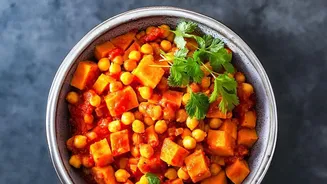
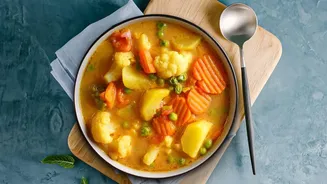
This is the backbone of many popular Punjabi and North Indian dishes. The base is typically built on a foundation of finely chopped onions, ginger, and garlic sautéed until golden brown. To this, puréed tomatoes are added and cooked down until the oil begins to separate, creating a rich, deep-flavored gravy. Aromatic spices like cumin, coriander powder, and turmeric form the heart of this masala, with garam masala often added at the end for a final burst of fragrance. This robust base pairs beautifully with hearty winter vegetables like potatoes, cauliflower, carrots, and peas.
South India: Coconut and Mustard Seeds
Travel south, and the flavor profile shifts dramatically. South Indian curries are often lighter and tangier. The cooking process frequently starts with tempering mustard seeds, curry leaves, and dried red chilies in hot oil until they pop and release their aroma. The gravy often gets its body and creaminess from coconut, either as milk or a freshly ground paste. Tamarind might be used to add a characteristic sour note. This style is perfect for summer and monsoon vegetables like bottle gourd, beans, and pumpkin, creating a refreshing yet deeply satisfying dish.
East India: The Panch Phoron Punch
In regions like Bengal, a unique five-spice blend called 'panch phoron' is key. This mixture contains fenugreek, nigella, cumin, fennel, and mustard seeds, which are tempered in mustard oil to create a distinct, aromatic foundation. Bengali vegetable dishes, like 'shukto' or 'labra', are often a medley of various vegetables, sometimes featuring a slightly bitter note balanced with a hint of sweetness. These recipes masterfully combine vegetables that cook at different times, from potatoes and sweet potatoes to eggplant and green beans, for a complex texture and flavor.
Cooking with the Seasons
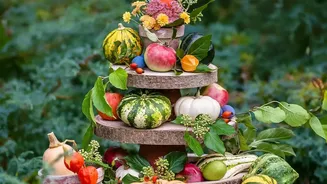
Embracing seasonal produce is not only cost-effective but also ensures your vegetables are at their peak flavor. In winter, look for carrots, peas, spinach, and cauliflower to stir into a North Indian base. During the hot summer months, cooling vegetables like bottle gourd ('lauki'), cucumbers, and pumpkins are ideal for lighter, coconut-based South Indian curries. The monsoon brings a bounty of leafy greens, corn, and beans that can be adapted to almost any regional style. Don't be afraid to mix and match; the goal is to use what's fresh and available.
Tips for a Faster Weeknight Curry
To make the process even faster, consider a few simple shortcuts. Using a pressure cooker can tenderize potatoes and other tough vegetables in minutes. Store-bought ginger-garlic paste is a reliable time-saver. You can also make a large batch of your preferred onion-tomato or spice base over the weekend and freeze it in portions. On a busy night, simply heat the base, add your chopped seasonal vegetables and a little water or coconut milk, and let it simmer until cooked through. A delicious, home-cooked meal can be ready in under 20 minutes.