




The Scale of the Deficit
Let’s start with the facts. According to the India Meteorological Department (IMD), June 2024 ended with a nationwide rainfall deficit of around 20% below the long-period average. While that number might not seem catastrophic on its own, the distribution
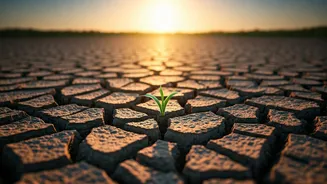
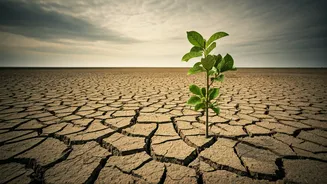
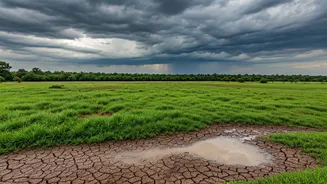
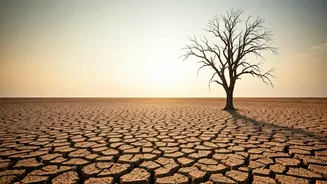
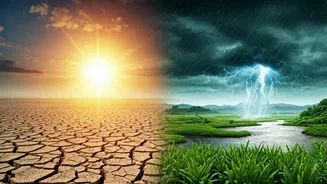
tells a more worrying story. Vast swathes of the country, particularly in the northwest and central regions which form the core monsoon belt, experienced deficits ranging from 60% to 90%. This wasn't just a slightly delayed monsoon; for millions, it felt like the monsoon barely arrived at all. The sluggish advance and weak performance of the seasonal rains have set the stage for a precarious situation, turning what should be a season of rejuvenation into one of widespread anxiety.
A Historical Anomaly
The phrase "driest since the British era" isn't hyperbole. The IMD’s comprehensive records began in 1901. The rainfall this past June was reportedly the lowest since that year, making it a once-in-a-century event. This historical context is crucial because it highlights just how extreme and unusual this weather pattern is. In a country where the monsoon is often described as the 'real finance minister', its rhythm dictates the economic and social well-being of over a billion people. An event that deviates so sharply from a 123-year-old pattern is a fundamental disruption to this rhythm, signalling that past performance is no longer a reliable guide to the future.
Agriculture on the Brink
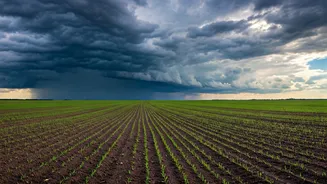
The most immediate and devastating impact is on agriculture. June is the critical month for sowing Kharif (monsoon) crops like rice, pulses, soybeans, and cotton, which account for nearly half of India's total food grain production. A weak start to the monsoon means millions of farmers were unable to sow their crops on time, or at all. Delayed sowing not only risks lower yields but also makes crops more vulnerable to pests and erratic weather later in the season. For the nearly 60% of India's farmers who rely on rain-fed agriculture, a failed June is a direct threat to their livelihood and food security for the year ahead. This isn't just a rural problem; it's a national crisis in the making.
The Ripple Effect: Water, Power, and Prices
The consequences extend far beyond the farm. The monsoon is essential for replenishing India’s reservoirs, which supply drinking water to hundreds of cities and power to hydroelectric dams. Data from the Central Water Commission has already shown reservoir levels dipping significantly below the 10-year average in many parts of the country. This raises the alarming prospect of urban water rationing and power shortages in the coming months. Furthermore, a poor agricultural season inevitably leads to food inflation. Lower production of essential commodities like pulses and vegetables will drive up prices, hitting the household budgets of every single citizen. The dry June, therefore, is a direct threat to both water security and economic stability.
A Signal of a Changing Climate
While it's complex to attribute any single weather event directly to climate change, this record-breaking dry spell fits a disturbing global pattern. Climate scientists have long warned that a warming planet will lead to more extreme and erratic weather, including more intense dry spells and more volatile monsoons. The delayed onset, prolonged breaks, and weak performance of the 2024 monsoon are consistent with these predictions. This isn’t a freak event that we can ignore once the rains hopefully pick up in July and August. Instead, it should be seen as a clear signal—an alert—that India’s climate is changing in ways that will fundamentally challenge our way of life.