






That final scroll through social media before closing your eyes has become a nightly ritual for many. But this common habit can quietly sabotage your sleep. It's time to reclaim that last hour for rest, not endless digital chatter.
Why That Final Hour Matters
Before diving into the
'how', let's understand the 'why'. The hour before sleep is when your brain and body should be winding down. However, our digital devices do the exact opposite. Screens emit a specific type of blue light that has been shown to suppress melatonin, the hormone your body produces to signal it's time for sleep. When melatonin production is delayed, it becomes harder to fall asleep, and the quality of your rest can suffer. Beyond the light, the content we consume—from stressful news articles to the endless scroll of social media—keeps our minds in a state of high alert. This mental stimulation can increase anxiety and create a 'fear of missing out' (FOMO), making the calm state needed for sleep feel miles away. By creating a screen-free buffer, you give your mind a chance to transition from the day's activity to a state of relaxation.
1. Set a 'Digital Sunset' Alarm
The first step to building a new habit is making it intentional. Don't just hope you'll put your phone down; schedule it. Set an alarm on your phone for 60 to 90 minutes before your intended bedtime. Label it 'Digital Sunset' or 'Time to Unplug'. When this alarm goes off, it's your non-negotiable cue to finish your last text, log out of your email, and put all devices away for the night. Treat this alarm with the same importance as your morning wake-up call. Consistency is key here. Over time, this simple signal will help train your brain to recognise that the day's screen time is officially over and the winding-down process has begun.
2. Create a Designated 'Phone-Free' Zone
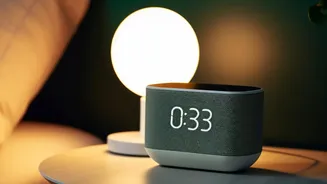
Out of sight, out of mind. The temptation to grab your phone is significantly lower when it's not within arm's reach. Designate a specific spot outside of your bedroom to charge your devices overnight. This could be a corner in your living room or a shelf in the kitchen. Making your bedroom a screen-free zone re-establishes its purpose as a place for rest and intimacy, not work and endless scrolling. If you rely on your phone as an alarm clock, invest in a simple, inexpensive alarm clock. This small change removes the primary excuse for keeping your phone by your bedside, drastically reducing the chance of late-night or early-morning scrolling.
3. Swap Scrolling for Soothing Alternatives
You've put your phone away. Now what? The key is to replace your screen time habit with an enjoyable, relaxing alternative. The goal is to find low-stimulation activities that calm your mind. Consider reading a physical book or magazine, which doesn't emit sleep-disrupting blue light. You could also try journaling to process the day's thoughts, doing some gentle stretches, or taking a warm bath, which can naturally induce sleepiness. Listening to calming music, a podcast, or an audiobook are also great options. The activity itself is less important than its effect: it should be something that helps you relax and signals to your body that it's time to sleep.
4. Prepare for the Next Day
One common reason people stay glued to their phones at night is a feeling of being unprepared for the next day, leading to anxious 'what_if' thoughts. You can channel this energy into a productive, screen_free ritual. Take 15_20 minutes to lightly tidy up, lay out your clothes for the morning, or pack your bag for work or the gym. You could even write a simple to_do list for the next day on a piece of paper. These small actions provide a sense of closure and control, which can quiet a racing mind and reduce late_night anxiety, making it easier to relax and fall asleep.