





A Familiar Foe, A Radical Proposal
El Niño is a naturally occurring climate pattern, a periodic warming of the sea surface in the central and eastern tropical Pacific Ocean that disrupts weather worldwide. It happens every two to seven years, bringing devastating floods to some regions
and crippling droughts to others, including impacting India's vital monsoon season. Forecasts for 2026 suggest a potentially strong El Niño event is developing, raising the likelihood of extreme weather. Faced with this recurring crisis, some scientists are pointing to a radical set of tools known as geoengineering—the deliberate, large-scale intervention in Earth’s climate system to counteract global warming. The idea is no longer confined to academic papers; it's being discussed as a potential, albeit deeply controversial, response to climate extremes.
What is Geoengineering, Exactly?
Geoengineering generally falls into two broad categories. The first is Carbon Dioxide Removal (CDR), which involves pulling existing CO2 out of the atmosphere. The second, and more relevant to the El Niño debate, is Solar Radiation Management (SRM). SRM aims to cool the planet by reflecting a small fraction of sunlight back into space. The two most discussed SRM methods are Stratospheric Aerosol Injection (SAI), which would disperse reflective particles high in the atmosphere, and Marine Cloud Brightening (MCB), which involves spraying sea salt aerosols into low-lying marine clouds to make them whiter and more reflective. While both are theoretical, MCB is often cited in discussions about localised or targeted interventions.
The El Niño Connection
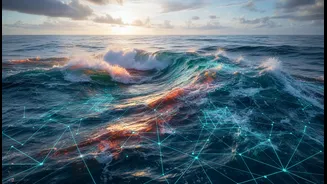
So why is El Niño becoming a focal point for geoengineering? Some researchers argue that the predictable nature and regional concentration of El Niño’s warming make it a candidate for a targeted intervention. The idea is not to solve climate change overnight, but to potentially 'shave the peak' off an extreme weather event. A recent study highlighted how Marine Cloud Brightening, if deployed over the eastern Pacific, could dramatically weaken the El Niño cycle. Proponents suggest that a temporary, localised effort could moderate a developing El Niño, potentially mitigating its worst impacts, such as droughts and floods across the globe. However, the same study warned this could trigger massive, unintended changes to global weather.
A World of Unintended Consequences
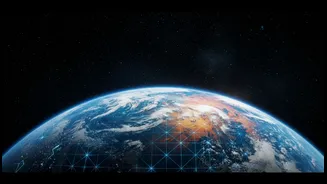
The risks of geoengineering are monumental and largely unknown. Critics warn that meddling with a system as complex as the global climate could have catastrophic, irreversible side effects. A major concern is the potential to disrupt regional weather patterns. For instance, an intervention designed to cool the Pacific could inadvertently shift rainfall patterns, potentially weakening the Indian monsoon and affecting agriculture for billions. Furthermore, there is the 'termination shock' problem: if an SRM project were started and then suddenly stopped, the planet could experience rapid, jarring warming. Then there is the question of governance: who gets to control Earth's thermostat? The potential for geopolitical conflict is immense, as one nation's solution could be another's disaster.
The Great and Necessary Debate
The scientific community is deeply divided. Some argue that refusing to even research geoengineering is irresponsible, given the escalating climate crisis. They believe it must be studied as a potential emergency brake if climate tipping points are crossed. Others contend that even starting down the path of research creates a moral hazard, distracting from the essential work of cutting greenhouse gas emissions and potentially locking humanity into a dangerous technological fix. Leading scientific bodies and climate governance initiatives are now calling for transparent, inclusive, and ethical frameworks to guide any potential research, emphasizing that geoengineering can never be a replacement for reducing emissions. The consensus is that any decisions must be global, cautious, and fully informed by the immense risks involved.