



The Age of Anxious Modernism
For the better part of a decade, to be considered ‘modern,’ Indian food had to perform. It had to be twisted, tortured, and presented in a form almost unrecognisable from its origins. Menus were peppered with culinary jargon borrowed from European kitchens:
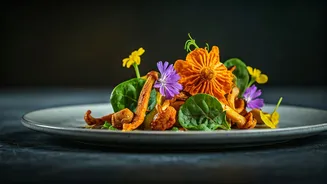
espumas, soils, gels, and spheres. A golgappa might be served with five different ‘waters’ in test tubes, each a different flavour but all missing the point. The beloved samosa was ‘deconstructed’ into a smear of spiced potato on a crisp, looking more like abstract art than a comforting snack. This wasn't just about creativity; it felt like a crisis of confidence. It was as if our own rich culinary grammar wasn't sophisticated enough for the global stage. To be considered ‘fine dining,’ a dish had to shed its rustic, home-style skin and don the costume of molecular gastronomy. While technically impressive, this approach often stripped the food of its soul, leaving diners impressed but rarely satisfied. It was a period of anxious modernism, where innovation was mistaken for complication.
A Return to Regional Roots
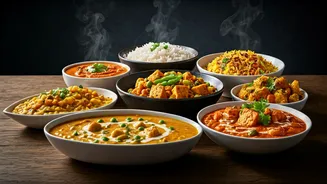
The backlash to this performative cooking has been a powerful, grounding return to basics. The most exciting trend in Indian food today isn't about inventing something new, but about discovering what was already there. Chefs are now culinary archaeologists, digging deep into the country’s vast and varied gastronomic landscape. Restaurants are proudly showcasing the nuances of a single region, celebrating its unique ingredients and cooking methods. Instead of another generic ‘pan-Indian’ menu, you now find establishments dedicated to the complex flavours of Bihari cuisine, the subtle seafood preparations of Odisha, or the fermented bamboo shoots of the Northeast. Chefs are travelling to remote villages, learning from home cooks, and bringing back recipes that have been passed down for generations. This isn't ‘fusion’ in the old sense; it’s an exploration of India's internal diversity. The new status symbol isn't a foreign technique but a deep knowledge of one's own culinary heritage.
The Ingredient Is the Hero
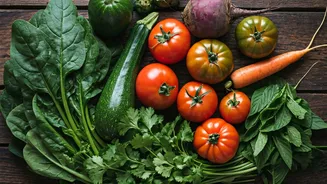
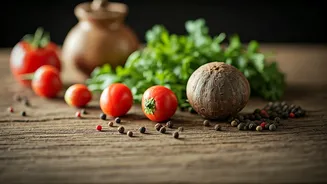
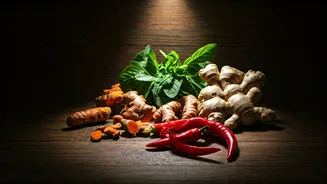
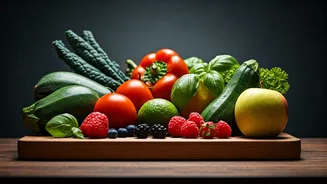
Hand-in-hand with the regional revival is a newfound obsession with the ingredient itself. The focus has shifted from what the chef *does* to the ingredient to what the ingredient *is*. Hyperlocalism is the new watchword. Menus now boast about the provenance of their produce: the specific variety of mango from a farm in Ratnagiri, the heirloom rice from Bengal, or the single-origin turmeric from Meghalaya. This ingredient-first philosophy means simpler, cleaner cooking. When you have a perfect, sun-ripened tomato, you don’t need to turn it into a foam. You just need to slice it, season it, and let its flavour shine. Chefs are building direct relationships with farmers, prioritising seasonality and celebrating produce at its peak. This approach not only results in better-tasting food but also fosters a more sustainable and transparent food system. The pretension of technique has been replaced by the honesty of a great ingredient.
Nostalgia on a Plate
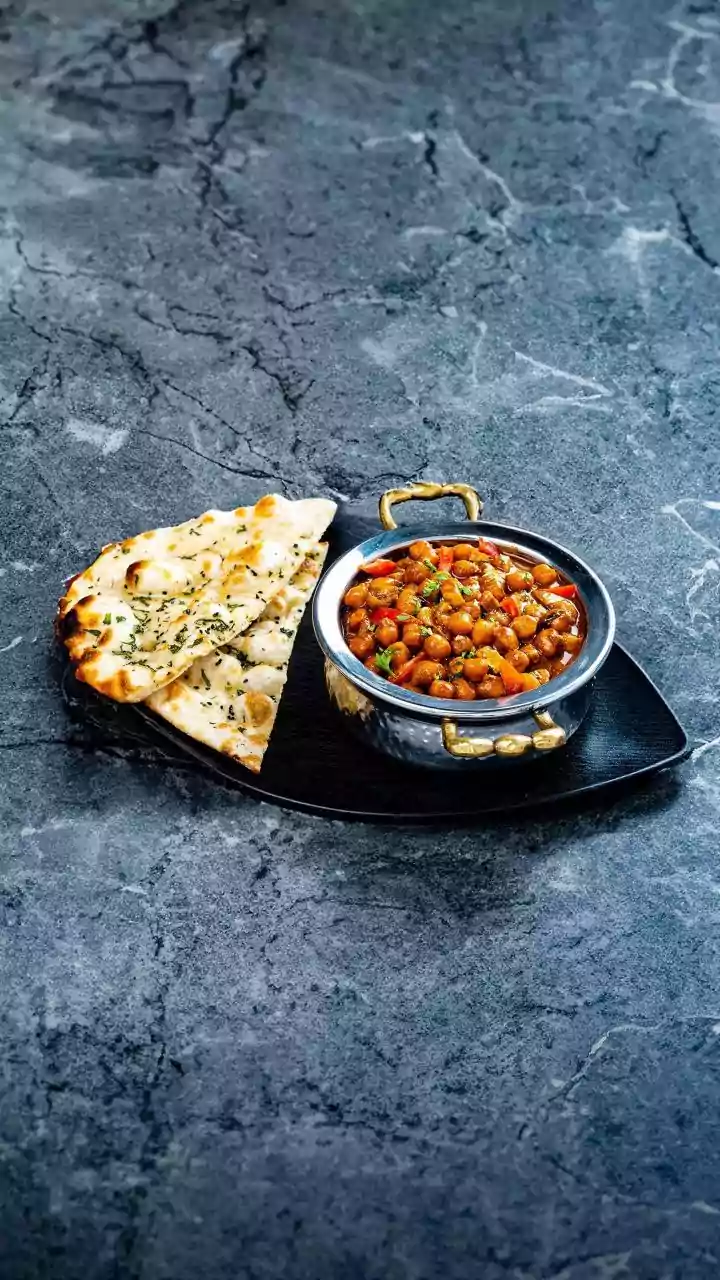
Another powerful force pulling Indian food back to earth is nostalgia. Diners are craving comfort, connection, and the flavours of their childhood. Chefs are responding by creating dishes that evoke a sense of warmth and memory, but with a refined touch. This isn't about deconstruction but thoughtful elevation. Think of a perfectly cooked khichdi, but made with artisanal ghee and a blend of forgotten millets. Or a rajma chawal where the beans are slow-cooked for hours to achieve the perfect creamy texture. These dishes succeed because they tap into a shared cultural memory. They are a reminder that the most satisfying food isn't always the most complicated. It’s the food that tells a story, that connects us to our families, our history, and ourselves. It’s about finding sophistication in simplicity, a concept that was temporarily lost in the race to be ‘world-class’.