






Jamun (Indian Blackberry)
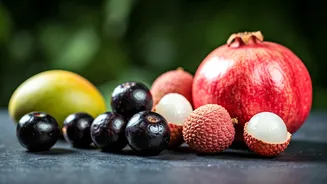
The quintessential monsoon fruit, Jamun, is a nutritional powerhouse perfectly suited for the season. This deep-purple berry is rich in iron, potassium, and vitamins, particularly Vitamin C, which is crucial for boosting the immune system to fight off
common monsoon ailments like colds and flu. According to Ayurveda, Jamun has a cooling effect on the body and aids digestion, helping to manage issues like diarrhoea and dysentery that can be more frequent during this time. Its antibacterial properties further help in keeping gut infections at bay. For those managing blood sugar, compounds in Jamun have been noted to help regulate glucose levels.
Pomegranate (Anar)
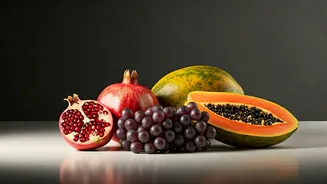
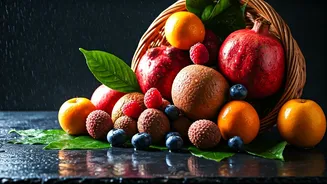
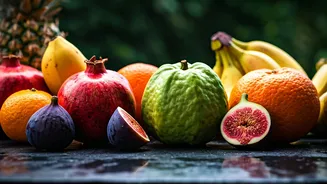
Pomegranates are one of the safest and most beneficial fruits for the rainy season. Their tough outer skin provides excellent protection against contamination from the humid environment. Packed with powerful antioxidants and anti-inflammatory properties, pomegranates help bolster your body's defences. They are also a great source of iron, which helps combat the fatigue and lethargy that can set in during the damp, gloomy days of monsoon by improving haemoglobin levels. Including these jewel-like seeds in your diet can support heart health and help your body fight off viral infections.
Apples and Pears (Seb and Nashpati)
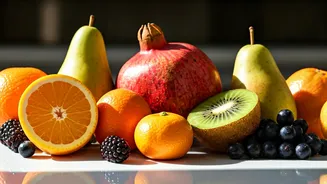
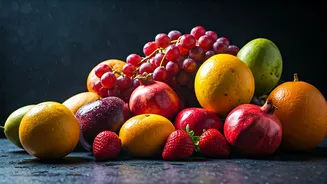
Apples and pears are reliable choices for all seasons, and their benefits shine during the monsoon. Both fruits are rich in dietary fibre, which promotes a healthy gut and ensures the digestive system runs smoothly—a blessing when digestion can become sluggish. Pears, in particular, are gentle on the stomach and their anti-inflammatory properties can be soothing. Apples are loaded with antioxidants that help fortify your immunity. Their relatively thick skin offers a degree of protection, but it's essential to wash them thoroughly before consumption.
Cherries and Plums (Aloo Bukhara)
Cherries and plums are other excellent additions to your monsoon fruit basket. Cherries are rich in antioxidants and vitamins that have anti-inflammatory effects. Plums are celebrated for being low in calories and high in dietary fibre, making them great for digestion and weight management. Both fruits provide a healthy dose of Vitamin C, contributing to a stronger immune system to ward off seasonal infections. Their sweet and tangy flavours make them a delightful and healthy treat during the rains.
Litchi
Arriving at the tail end of summer and the beginning of the monsoon, litchis are a hydrating and immunity-boosting fruit. They are an excellent source of Vitamin C, which is vital for fighting off the colds and coughs that are common during this season. The antioxidants present in litchis help the body defend against oxidative stress. While their delicate skin can make them susceptible to spoilage, choosing fresh batches and consuming them quickly ensures you get all their nutritional benefits safely.
A Note of Caution
While many fruits are beneficial, some require extra caution during the monsoon. Fruits with very high water content, like watermelon and muskmelon, can spoil quickly and become breeding grounds for bacteria in the humid weather if not stored perfectly. It is often advised to consume these in moderation or avoid them if you are unsure of their freshness and source. Similarly, it's wise to avoid pre-cut fruits from street vendors, as the risk of contamination is significantly higher. Thoroughly washing all fruits under clean, running water is a non-negotiable step to enjoy them safely.