

From Sightseeing to Story-Living
The shift is clear: travel is no longer just about where you go, but what you do and how it makes you feel. Recent industry reports highlight that Indian travellers, particularly younger demographics like Gen Z and millennials, are prioritising experiences
over destinations. Instead of just seeing a place, they want to be part of its story. This trend, often called experiential or immersive travel, focuses on engaging with local culture, food, and communities. According to a 2026 Skyscanner report, 67% of Indians now plan their holidays around cultural events, food, or heritage, and 84% say their interest in this style of travel has grown. This change is driven by a desire for more meaningful, personalised journeys and a move away from the predictable tourist trail.
The Quiet Call of the Mountains
While the Himalayas have always been a draw, travellers are now venturing beyond popular hill stations. The new mountain holiday involves staying in a remote homestay in valleys like Tirthan or Binsar, far from the commercial hustle. These escapes offer more than just scenic views; they provide a chance to connect with local life. Imagine learning a traditional craft from your host, trekking on unmarked village trails, or simply enjoying the quiet of a landscape untouched by mass tourism. These trips cater to a growing desire for wellness and disconnection, where the main activity is simply being present. Destinations in Arunachal Pradesh, like Ziro Valley or the Dibang Valley, are also gaining traction for their raw beauty and unique tribal cultures.
Discovering the Unseen Coastline
India's vast coastline offers more than just the party beaches of Goa. Travellers are now exploring quieter shores that promise serenity and local flavour. Coastal Karnataka, with destinations like Gokarna and the unique strip of land at Maravanthe, is becoming a favourite. Here, the vibe is laid-back, with pristine beaches often requiring a small trek to reach, keeping them beautifully secluded. The focus is on enjoying fresh seafood from local shacks, watching stunning sunsets without the crowds, and exploring the unique coastal topography where rivers meet the sea. These destinations deliver a peaceful beach experience that feels personal and undiscovered.
Heritage Beyond the Grand Palaces
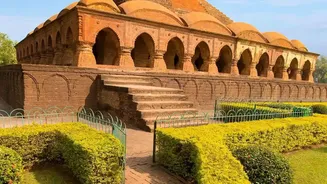
Heritage travel is also getting a makeover. While grand forts and palaces remain iconic, many are now seeking stories in smaller, less-frequented towns. One in four travellers is exploring Tier II and III towns to find these cultural experiences. Regions like Shekhawati in Rajasthan, with its painted havelis, or Chettinad in Tamil Nadu, known for its grand mansions and distinct cuisine, offer a deep dive into history without the overwhelming crowds. These trips often involve staying in restored heritage properties, taking architectural walks, and discovering the living history of communities that sustain these traditions. It's a move toward understanding culture not just as a monument, but as a practiced way of life.
Festivals as the Main Event
Increasingly, the motivation for a trip is the event itself. Instead of happening upon a local festival by chance, travellers are planning their entire holiday around it. According to recent surveys, major cultural and religious festivals are becoming powerful travel catalysts. Events like Kolkata's Durga Puja, the Ganesh Chaturthi celebrations in Mumbai, and Navratri Garba in Gujarat are now primary reasons for travel, drawing people who want to immerse themselves in the energy and traditions of the celebration. This trend shows a desire to participate actively in culture, not just observe it from the sidelines.