



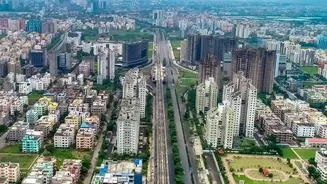


Beyond the bustling metros, a quiet but powerful shift is reshaping India's economic landscape. Consumers in regional cities are not just buying more; they're buying better, leading to a steady climb in what they spend per transaction.
The New Engines of Consumption
For years, India's
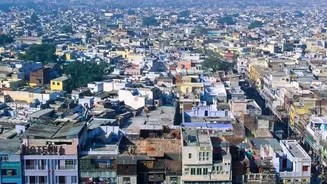
consumption story was dominated by its megacities. However, the commercial centre of gravity is now visibly shifting towards Tier-2 and Tier-3 cities like Lucknow, Indore, Coimbatore, and Jaipur. These emerging urban hubs are no longer secondary markets but are becoming primary drivers of retail growth. This isn't just about more people shopping; it's about a fundamental change in spending habits. The key indicator is the Average Transaction Value (ATV), which measures how much a customer spends in a single purchase. A rising ATV suggests that consumers are either buying more expensive items, purchasing more products at once, or a combination of both—a clear sign of growing economic confidence.
Why Are Shoppers Spending More?
Several factors are fuelling this surge in spending. A primary driver is the rise in disposable incomes across these regions, coupled with improved infrastructure and digital connectivity. Government policies promoting regional development and the expansion of businesses into non-metro areas have created more jobs and economic opportunities. Furthermore, a phenomenon known as 'reverse migration', accelerated by flexible work models, has brought skilled professionals and their higher purchasing power back to their hometowns. This has created a new class of aspirational consumers who desire premium products and experiences previously associated only with metropolitan lifestyles.
The 'Premiumisation' Effect
The trend of spending more per transaction is closely linked to 'premiumisation'—a shift in consumer preference from mass-market products to higher-quality, premium alternatives. This is no longer a metro-exclusive phenomenon. Thanks to social media and e-commerce, consumers in smaller cities are just as exposed to global trends as their urban counterparts. They are increasingly willing to pay more for brands that offer better quality, advanced features, or a more elevated experience. This trend is visible across a wide range of categories, from fast-moving consumer goods (FMCG) and electronics to fashion and even alcoholic beverages.
Which Categories Are Leading the Charge?
The increase in transaction value is not uniform but is particularly strong in certain sectors. Fashion and apparel, food and beverages, and personal care are seeing significant upticks as consumers upgrade to branded and higher-quality options. For instance, reports show that rural and semi-urban markets are seeing faster growth in premium FMCG products like certain detergents and hair care than in mass market variants. Electronics, home furnishings, and spending on leisure and experiences are also major contributors, as households invest in upgrading their lifestyles. Even the real estate market in these cities is booming, with property values appreciating faster than in top tier cities, reflecting a broad based economic uplift.
What This Means for Brands and the Economy
This shift presents a massive opportunity for businesses. National and international brands are increasingly focusing their expansion efforts on Tier‑2 and Tier‑3 markets, adding millions of square feet of new retail space in these cities. However, success requires more than just setting up shop. Brands need a nuanced understanding of local preferences and must often balance aspirational appeal with value. An omnichannel strategy is crucial, as many consumers discover products online but prefer to make the final purchase in a physical store where they can see and touch the item. For the broader economy, this trend signals a more balanced and decentralised model of growth, reducing the over‑reliance on a handful of megacities and fostering development across the country.