








The New Hiring Equation: Skills Over Certificates
The long-standing tradition of using a degree as the primary filter for entry-level jobs is fading. In its place, a 'skills-first' economy is emerging across India. This new approach values tangible abilities and practical experience—collectively known
as "work proof"—more than the confidence a degree once provided. Companies from tech giants to manufacturing firms are realising that academic credentials alone don't guarantee a candidate is ready for the demands of the modern workplace. This shift is driven by rapid technological change, the rise of AI, and persistent gaps between university curricula and industry needs. As a result, employers are looking for demonstrable competence, forcing a rethink of what it means to be 'qualified' for a first job.
Why a Degree Is No Longer Enough
The core issue is a growing disconnect between theoretical knowledge and practical application. Many reports indicate that a significant percentage of Indian graduates are not immediately employable in today's digital-first jobs. Industries are evolving faster than academic syllabi can keep up, creating a demand for new-age skills in areas like data analytics, AI, cloud computing, and digital marketing that many traditional courses don't adequately cover. Faced with this reality, companies are adopting skills-based hiring to find candidates who can contribute from day one. This model widens the talent pool beyond elite universities and allows employers to assess for specific, necessary competencies rather than relying on the proxy of a degree. Some reports show that as many as 30% of Indian employers are actively moving toward skills-based hiring over a degree-based approach.
What Exactly Counts as 'Work Proof'?
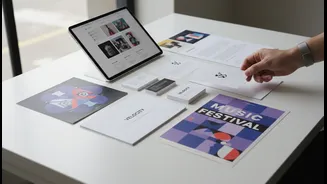
Work proof is any tangible evidence that you can perform the tasks a job requires. It’s about showing, not just telling. For entry-level candidates, this doesn't have to mean years of formal employment. Key examples include internships that provide practical exposure, and academic or personal projects that demonstrate your ability to solve problems and deliver results. A strong portfolio, such as a collection of writing samples, a GitHub repository with your coding projects, or a design lookbook, serves as concrete evidence of your talent. Professional certifications from recognised platforms are also highly valued, with studies showing that over 90% of Indian employers believe a certificate strengthens a candidate's application. Even freelance work or participation in hackathons and case competitions can be powerful forms of work proof.
How to Build and Showcase Your Skills
For students and fresh graduates, the key is to be proactive. First, identify the specific skills required for your target industry by carefully reading job descriptions. Then, seek out opportunities to build those skills. This could involve taking online courses, volunteering, or starting a personal project that solves a real-world problem. Once you have these experiences, you need to showcase them effectively. Don't just list skills on your resume; provide concrete examples of how you've used them. For instance, instead of writing "teamwork skills," describe a project where you collaborated with others to achieve a specific, measurable outcome. Tailor your resume and cover letter for each application, highlighting the most relevant work proof for that specific role. Prepare to discuss your projects and experiences in detail during interviews, demonstrating not only what you did but also what you learned in the process.