






An Unprecedented Buying Spree
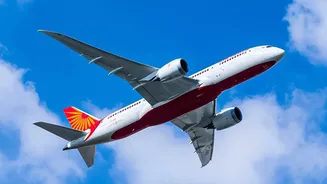
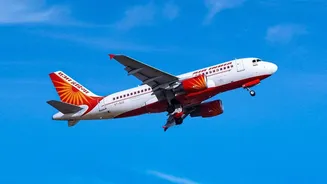
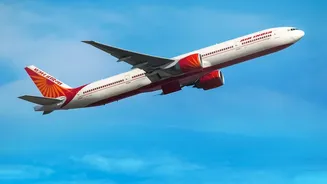
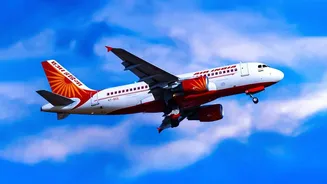
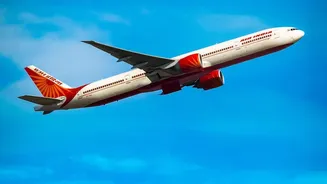
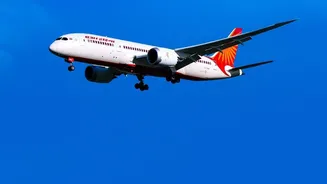
The scale of India's aviation ambition is staggering. In recent years, major carriers have gone on a global shopping spree. Air India, under Tata's ownership, finalised a mammoth order for 470 aircraft from both Airbus and Boeing in 2023. Not to be outdone,
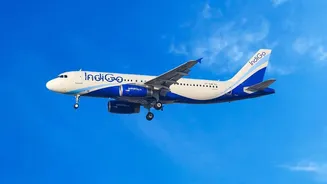
IndiGo, the country's largest airline, placed the biggest single order in aviation history for 500 Airbus A320 family aircraft. Newcomer Akasa Air has also been aggressive, building its fleet with orders from Boeing. Union Minister Piyush Goyal recently stated that with over 1,200 planes already on order, India is ready to order another 1,000 to meet a total requirement of over 2,000 aircraft. This unprecedented investment is a direct response to soaring demand from a growing middle class and increased connectivity to smaller towns. The government projects the nation's commercial fleet will grow at 7.1% annually through 2036, among the highest rates globally.
The Global Production Gridlock
Despite the massive order book, the planes are simply not arriving fast enough. The core of the problem lies with the world's two dominant aircraft manufacturers, Airbus and Boeing. Both are struggling with immense post-pandemic challenges. Global supply chains for everything from raw materials to complex components remain strained, and both companies are facing significant production backlogs that will take years to clear. At the start of 2026, the combined order backlog for the two giants exceeded 17,000 aircraft. They are delivering planes slower than their targets, with Airbus leading Boeing but still falling short of its own ambitious goals. This manufacturing crunch means that delivery schedules for Indian airlines are stretched out over several years, with some planes from current orders not expected to arrive until as late as 2034.
The Engine That Stalled Growth
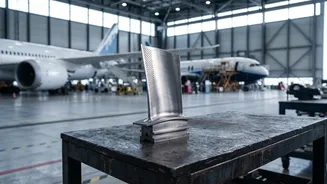
Compounding the delivery delays is a critical issue with engines, which has grounded a significant portion of the existing fleet. The main culprit is a problem with Pratt & Whitney's (P&W) Geared Turbofan (GTF) engines, which power a large number of Airbus A320neo aircraft — a workhorse for Indian carriers, especially IndiGo. A rare condition discovered in the powder metal used to manufacture certain engine parts has prompted global regulators to mandate immediate and extensive inspections. This has created a massive bottleneck at maintenance, repair, and overhaul (MRO) facilities, with inspection times blowing out from 60 days to over 300. As a result, dozens of aircraft in India are sitting idle, waiting for engine checks or replacement parts, directly contributing to the capacity shortage. The problem has been so persistent that IndiGo has shifted its strategy, placing a record order for over 1,000 LEAP engines from competitor CFM International to power its future Airbus fleet.
The Ripple Effect for Passengers
For Indian flyers, this shortage is not an abstract industry problem; it has direct and painful consequences. With fewer planes available, airlines are forced to reduce flights. In November and December 2026, Indian airlines are expected to operate thousands fewer domestic flights compared to the previous year. This reduction in capacity, at a time of high demand, inevitably leads to higher airfares. Passengers have reported that domestic flights during peak seasons can cost more than international trips to nearby destinations like Dubai. The situation is made worse when airlines like Go First collapse, removing a chunk of capacity from the market almost overnight, causing fares on some routes to spike. The result is a frustrating travel experience defined by limited choices, frequent cancellations, and eye-watering last-minute ticket prices.
Navigating the Turbulent Skies
Airlines are not standing still. To cope with the immediate crisis, many are turning to short-term solutions. One popular strategy is wet-leasing, where an airline leases both an aircraft and its crew from another carrier to operate its routes. This allows them to add capacity without waiting for new deliveries. Carriers are also extending the leases on their older aircraft, deferring retirement to keep as many planes in the air as possible. Behind the scenes, they are also pursuing manufacturers for compensation due to the grounding of planes and delivery delays. The Indian government is also involved, pushing manufacturers to expedite deliveries and exploring ways to make aircraft leasing easier for domestic carriers. These measures are temporary fixes, designed to bridge the gap until the global supply chain stabilises and the huge number of ordered aircraft finally begin to touch down on Indian runways.