

A Nationwide Health Awakening
The single biggest driver is a massive shift in health consciousness across the country. Indian consumers are moving beyond just taste and convenience to actively consider the nutritional value of what they eat. Protein, once a term primarily discussed
in gyms, is now a household buzzword associated with overall wellness, weight management, and sustained energy. This awareness has been amplified by social media, fitness influencers, and a post-pandemic focus on immunity and health resilience. As a result, consumers are actively looking to fill nutritional gaps in their diets, which have traditionally been high in carbohydrates. A 2026 survey found that 86% of respondents considered protein an important factor when choosing a snack.
The Urban Hustle Demands Convenience
As urbanization accelerates, lifestyles have become more hectic. Long commutes and demanding work schedules leave little time for traditional meal preparation. This has created a surging demand for on-the-go food options that are not just quick but also filling and nutritious. Protein-rich snacks fit this need perfectly, offering satiety that helps people stay full longer and avoid unhealthy cravings between meals. They serve as a convenient solution for busy professionals, students, and anyone needing a quick energy boost without the crash associated with sugary, carb-heavy snacks. This has turned the snack into a functional mini-meal.
From Niche to Supermarket Shelves
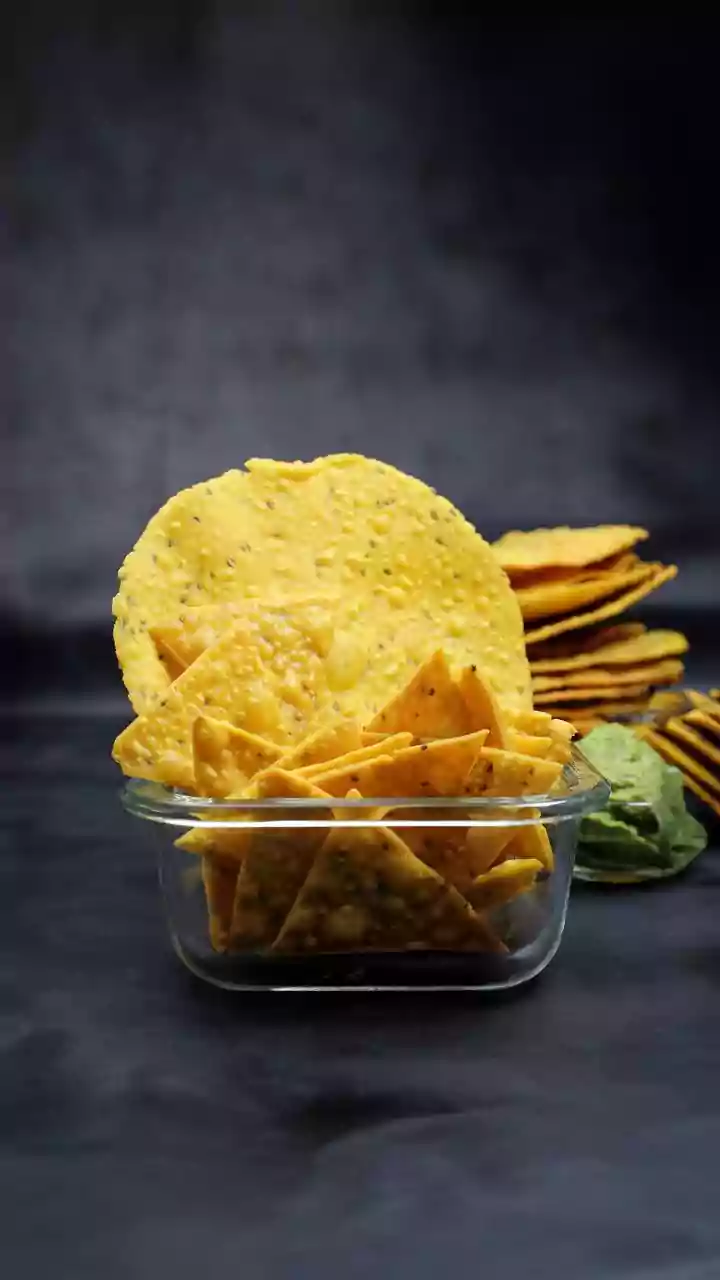
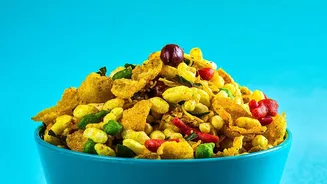
The food industry has been quick to respond to this evolving demand. What was once a niche market for athletes is now a booming mainstream category. One quick commerce platform reported a 150% surge in protein-related orders over the last two years and expanded its offerings to nearly 10,000 different products. Brands are innovating rapidly, launching everything from protein-fortified dosa batter and atta to protein chips, ice creams, and yogurts. Traditional snacks are also getting a protein makeover; roasted chickpeas and makhana (foxnuts) are now packaged as healthy alternatives to fried namkeen. This explosion in product variety has made protein snacks more accessible, affordable, and appealing to a wider audience, including in Tier II cities like Jaipur and Chandigarh.
Beyond Just Building Muscle
The understanding of protein's benefits has broadened significantly. While its role in muscle repair is well-known, consumers now associate it with a wider range of health goals. These include better weight management, improved satiety, and stable energy levels throughout the day. This holistic view is helping protein shed its exclusive connection to bodybuilding and become a key component of everyday family nutrition. Companies are tapping into this by positioning protein as a tool for all-around wellness, which resonates with a much larger demographic, from working parents to health-conscious young adults.
The Rise of Smarter Snacking
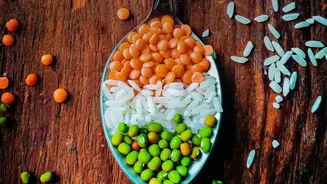
This trend isn't just about adding one nutrient; it reflects a more mindful approach to eating. Consumers are reading labels more carefully and seeking out 'clean-label' products with transparent, natural ingredients. Plant-based protein sources like chickpeas, lentils, and peas are gaining popularity, aligning with both health and sustainability trends. The market for high-protein traditional foods is also seeing a resurgence, with items like millets, sattu, and paneer being celebrated for their natural nutritional value. This indicates a shift from passively consuming snacks to actively choosing foods that serve a specific purpose, whether it's for energy, fitness, or overall health.