





A Drier Than Usual Season
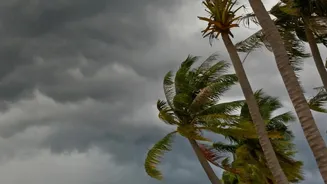
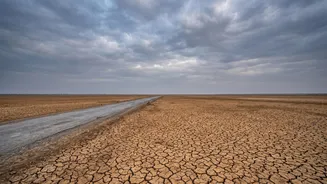
As of mid-September, the 2026 monsoon season is concluding with a significant rainfall deficit. India as a whole has received approximately 15% less rainfall than the long-term average, making it one of the driest monsoons in recent years. This shortfall,
influenced by El Niño conditions, was not uniform across the subcontinent. The withdrawal of the monsoon began around September 19 from Northwest India, bringing clearer skies but leaving many regions with lingering water deficits as the peak tourist season approaches.
The Regional Report Card: A Mixed Bag
The impact of the deficient monsoon varies dramatically by region, creating a complex map for prospective tourists. States in the south peninsula have been hit particularly hard, with Kerala, Karnataka, and Goa all recording rainfall deficits between 20% and 33%. This could mean less spectacular waterfalls and potentially lower water levels in Kerala's famous backwaters. Conversely, states like Odisha have seen excess rain, while key tourist destinations in Rajasthan experienced near-normal rainfall, which might translate to pleasantly green landscapes in the Aravallis without the disruption of heavy floods. For Himalayan states, a mixed but generally deficient monsoon has been observed. While this may reduce the risk of major landslides compared to a heavy monsoon year, road conditions in hilly areas always warrant caution post-monsoon.
Impact on Popular Tourist Experiences
The nature of this year's monsoon will directly influence popular travel experiences. For wildlife enthusiasts, the deficient rain might mean that national parks, many of which close during peak monsoon, may have different vegetation patterns. Water-based activities are most directly affected. While the allure of houseboat cruises in Kerala or boating on Udaipur's lakes remains, the visual splendour might be subtly different. A drier post-monsoon period could also mean a quicker transition to clear, sunny days in popular spots like Goa, potentially appealing to those seeking beach weather sooner. However, the overall vibrancy of the lush, post-monsoon greenery that many travellers seek might be less pronounced in severely deficit areas.
Fewer Disruptions, But Watch the Water Levels
One potential upside of a below-normal monsoon is a lower likelihood of widespread, catastrophic flooding and travel disruption in some areas. The 2026 season has already seen serious flooding and landslides, particularly in the Northeast, which caused significant transport issues. However, a weaker overall monsoon could mean fewer last-minute road closures and train delays in other regions as the tourist season begins. The flip side is the pressure on water resources. For tourists, this might not be immediately obvious, but it can affect everything from the water supply in hotels to the viability of agricultural landscapes that are a key part of the rural tourism draw.
What This Means for Your Travel Plans
For travellers planning trips from October onwards, this year's monsoon performance is a critical piece of information. The traditional peak season from October to March is still the best overall window for visiting most of India. However, a state-specific check is more important than ever. Destinations in regions with near-normal rain, like parts of Rajasthan and Central India, are likely to be at their best. In contrast, those heading to the southern states might need to temper expectations regarding the lushness of landscapes. The trend of 'experience-led' travel means tourists are increasingly looking for specific activities like wellness or adventure, and the post-monsoon conditions will dictate the quality of these experiences. Checking local conditions and recent reports before booking will be key to a successful trip.