




The Allure of the 'Green Season'
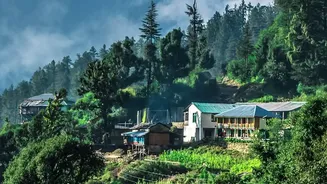
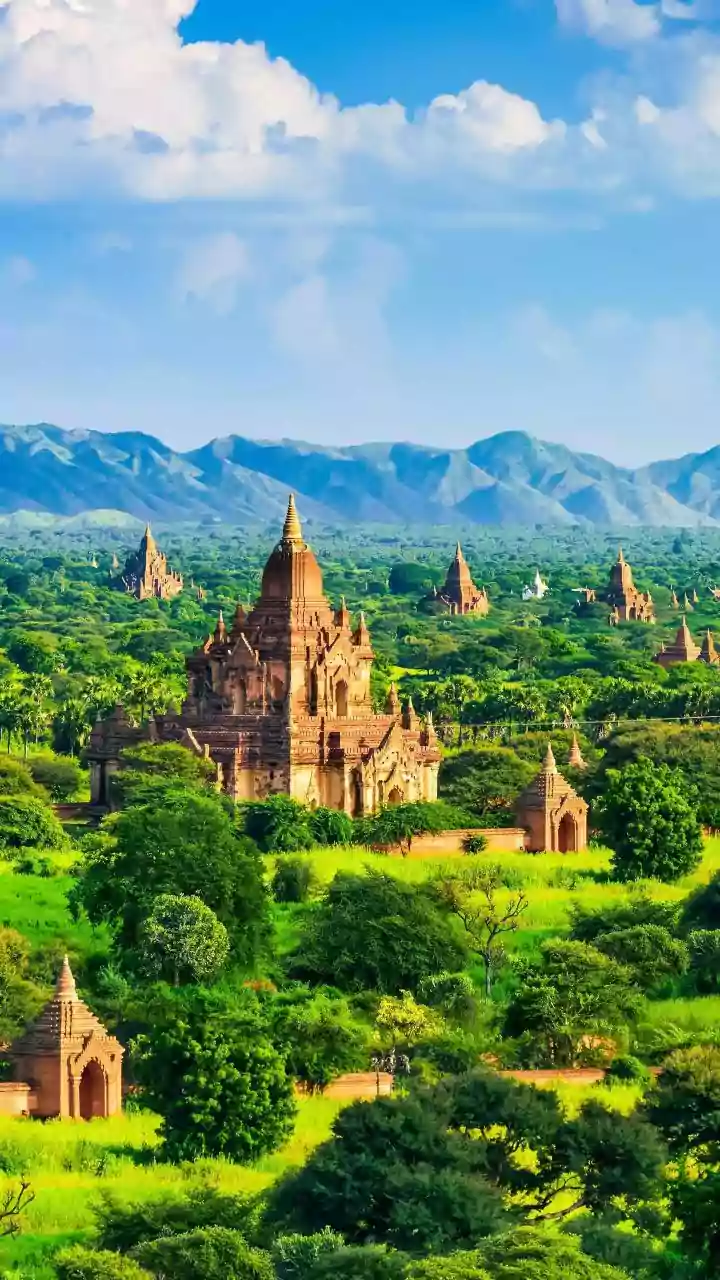
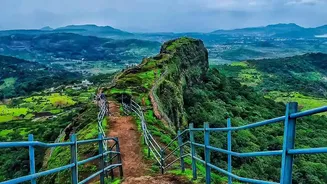
The period immediately following the monsoon, from late September to November, is a magical time for nature lovers. The rain washes the dust from the air, rivers and waterfalls are at their fullest, and the forests are draped in a brilliant, lush green.
This 'green season' offers a unique window for wildlife watching. With water sources abundant, animals are more active and easier to spot. Furthermore, this is often considered a shoulder season, meaning popular destinations are quieter and more peaceful than during peak tourist months. Recent travel data shows a significant trend, with a high percentage of Indian travellers expressing a desire for trips that involve beautiful natural scenery and a chance to mentally unwind. This shift is driving interest in destinations that offer authentic, nature-led experiences.
Jim Corbett National Park, Uttarakhand
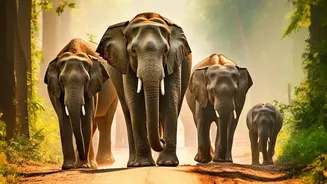
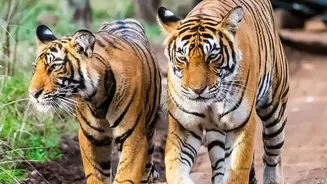
India's oldest national park becomes particularly enchanting after the rains. The Ramganga River swells, and the sal forests glow a vibrant green. The crisp mountain air and freshly washed landscape make for a serene safari experience with fewer crowds. The post-monsoon period is excellent for birdwatching, as the heightened water levels attract an array of avian life. Wildlife sightings are plentiful, with elephants, spotted deer, and the elusive Bengal tiger often spotted near the rejuvenated water bodies. The Jhirna and Dhela zones of the park remain accessible, offering a fantastic opportunity to see the Himalayan foothills in their full glory.
Periyar National Park, Kerala
Down south in Kerala, Periyar National Park emerges as a green paradise. Surrounded by the Cardamom Hills, the park’s centrepiece, Periyar Lake, is misty and full, making early morning boat rides a truly mystical experience. This is one of the few national parks in India that remains open during the monsoon, and the period just after is when its beauty peaks. It's an ideal time for spotting herds of elephants that come to the lake's edge to drink and socialise. Besides elephants, visitors can also see sambar deer, wild boars, bison, and the highly sought-after Nilgiri langur. The rich biodiversity also includes a stunning variety of birds and butterflies.
Kaziranga National Park, Assam
As the floodwaters of the mighty Brahmaputra River begin to recede, Kaziranga National Park in Assam reopens to visitors. The vast grasslands, crucial to its ecosystem, are at their most lush and expansive. This UNESCO World Heritage site is the world's most important stronghold for the one-horned rhinoceros, and sightings are very common against the backdrop of the stunning, wide-open wetlands. The receding waters concentrate wildlife, making it a prime time to spot herds of elephants, swamp deer, and a rich diversity of water birds that flock to the park's beels (wetlands). The dramatic sunrises and sunsets over the vibrant green landscape make for an unforgettable safari.
Satpura National Park, Madhya Pradesh
For those seeking a more secluded and wild experience, Satpura National Park in Madhya Pradesh is an excellent choice. Less frequented than some of India’s other famous tiger reserves, it offers a sense of untouched wilderness. After the rains, the forests become incredibly thick and the terrain, with its dramatic gorges and sandstone peaks, is breathtaking. Satpura is unique for offering a variety of safari experiences, including walking safaris and boat or canoe trips on the Denwa River, providing different perspectives on the wildlife. It’s a fantastic place to spot leopards, sloth bears, and the Indian giant squirrel. The park is also a haven for birdwatchers in the post-monsoon months.