






The Invisible Threat in the Water
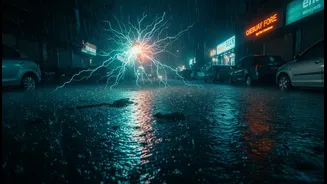
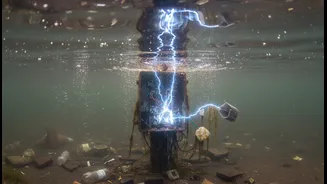
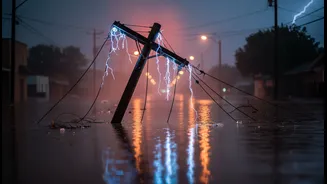
The single most important rule of monsoon safety is that water and electricity are a lethal combination. The murky, dirty water that floods our streets is an excellent conductor of electricity. When a live wire from a damaged pole, an underground cable
fault, or a faulty streetlight connection touches this water, the entire flooded area can become energized. You don't need to touch the wire itself to be electrocuted; simply stepping into the charged water can be fatal. This danger is why seemingly calm, waterlogged lanes become scenes of tragedy every year in Indian cities, with numerous fatalities reported from contact with energized water. The risk isn't just from major infrastructure failure; it can also come from a neighbour's faulty wiring or an illegally drawn connection, making every flooded patch unpredictable.
Proactive Steps for Renters
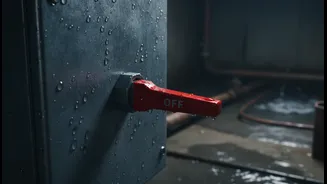
As a renter, you may not be able to upgrade the building’s entire electrical system, but you can take crucial proactive steps. Before the monsoon arrives, visually inspect the area around your home. Are there exposed wires, leaning poles, or junction boxes that look old and unsealed? Report these to your landlord and the local electricity board immediately. Inside the house, ask your landlord about the last time the wiring was inspected and whether safety devices like Earth Leakage Circuit Breakers (ELCBs) or Residual Current Circuit Breakers (RCCBs) are installed. These devices are designed to cut the power instantly in case of a fault and are lifesavers. Also, identify the location of your main switch or circuit breaker box. You must know how to turn off the power to your home, but only if you can do so safely and without standing in water.
When Your Street Is Flooded
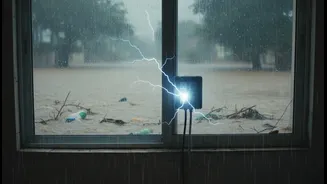
If your street or building compound is waterlogged, the safest course of action is to stay indoors. Do not wade through floodwater if you can avoid it. If you are already outside when the flooding begins, do not attempt to walk through it, especially at night when visibility is low. Just six inches of moving water can knock you off your feet, and you have no way of knowing what hazards lie beneath the surface. If you are inside and water starts entering your home, your first priority is to turn off the main power supply, but only if the area around the breaker box is completely dry. If it is already wet, do not touch it. Call your electricity provider and ask them to shut off the power at the meter. Unplug all appliances and move them to higher ground if possible.
Spotting Less Obvious Dangers
While a fallen power line is an obvious threat, many electrocutions happen due to less visible risks. Be extremely wary of touching metal surfaces during and after heavy rain. Lampposts, metal gates, railings, and even the metal steps of a bridge can become electrified due to faulty wiring or poor earthing. Inside a rented building, poor maintenance can lead to water seeping into walls and reaching switchboards, creating a major shock hazard. A flickering light or a mild shock from an appliance are not minor issues; they are warning signs of a serious electrical fault that must be reported to your landlord immediately. After a flood, do not attempt to turn the power back on or use any appliance that has been in contact with water until a qualified electrician has inspected and declared them safe.
Your Rights and Your Landlord’s Duty
Under Indian law, landlords have a legal responsibility to provide a safe and habitable home, which explicitly includes maintaining essential services like electricity in a safe condition. This isn't just a courtesy; it’s a legal obligation. If you notice unsafe electrical conditions like frayed wiring, non-functional safety devices, or damage that could lead to water seepage near electrical points, you must inform your landlord in writing. They are required to carry out necessary repairs promptly. If the landlord fails to act, rendering the property unsafe, you have the right to seek recourse. Do not attempt to carry out major electrical repairs yourself. Document all communication with your landlord and, if the issue persists, you can approach a consumer court or rent control authority for resolution.