




Ancient grains like millets and amaranth are making a welcome return to Indian kitchens. But to get the most out of their rich, nutty flavours and nutritional benefits, proper storage is key. Here’s how to keep them fresh for longer.
Why Air and Moisture Are Enemies
Whole grains are more
delicate than their refined counterparts because they contain natural oils in their germ. These oils, while healthy, are prone to oxidation when exposed to air. Oxidation can make the grains taste stale or bitter and can degrade their nutritional value, including vitamins. Airtight containers create a barrier, slowing this process down by limiting oxygen exposure. Moisture is another major threat. It can cause grains to clump, encourage mould growth, and even attract pests like weevils. Storing grains in a sealed jar prevents them from absorbing humidity from the air, keeping them dry and safe.
India's Pantry of Ancient Grains
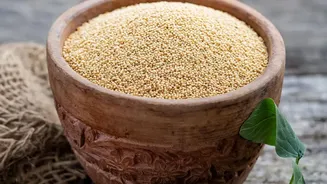
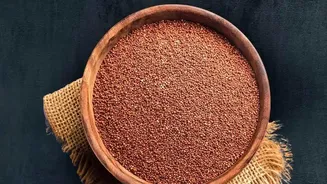
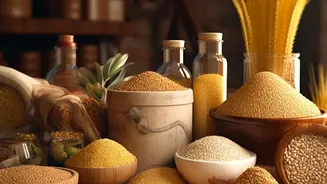
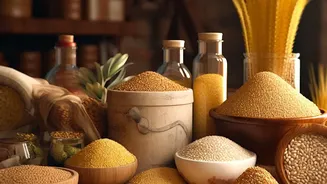
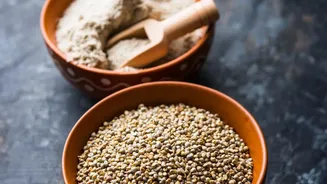
Many of the 'new' health grains gaining popularity have been staples in India for centuries. Millets are a prime example, with varieties like jowar (sorghum), bajra (pearl millet), and ragi (finger millet) being kitchen workhorses. These are incredibly versatile and are traditionally used to make everything from rotis and bhakri to porridge. Other important ancient grains include amaranth (rajgira) and buckwheat (kuttu), both of which are technically 'pseudocereals' and are naturally gluten-free. Even ancient wheat varieties like Khapli (emmer) are seeing a resurgence for their unique nutritional profile. All these grains benefit immensely from proper storage.
Choosing the Right Storage Jar
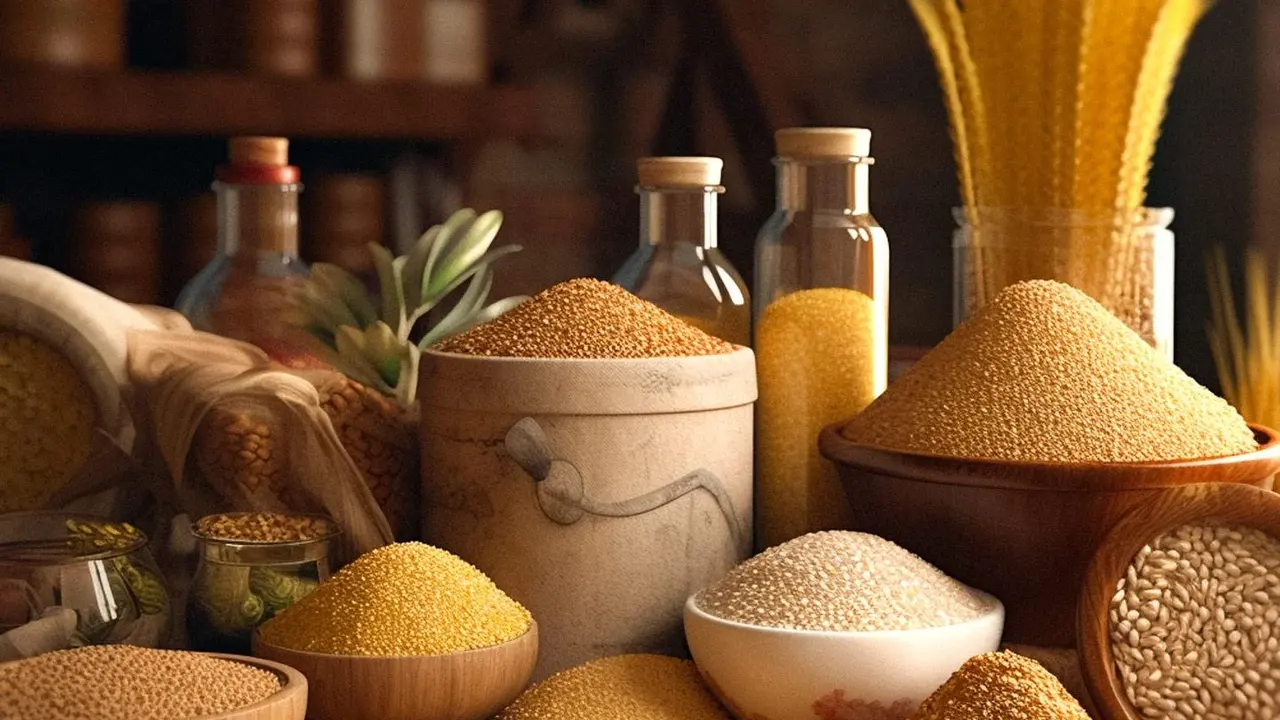
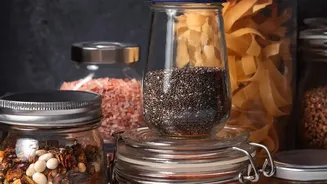
When it comes to storage, not all containers are created equal. Glass jars with airtight seals are an excellent choice. Look for jars with a rubber or silicone gasket and a clamp-down lid, as these provide a superior seal compared to simple screw-top lids. Glass is also non-porous, meaning it won't absorb odours, and it's impenetrable to pests. While clear glass jars let you see your beautiful grains, opaque containers or storing clear jars in a dark cupboard offers an extra layer of protection, as light can also degrade the oils and vitamins in whole grains. For larger quantities, food-grade buckets with gamma seal lids are a practical, airtight option.
Best Practices for Maximum Freshness
To ensure your grains last as long as possible, follow a few simple rules. First, always store them in a cool, dark, and dry place, like a pantry or cupboard away from the stove. Heat, light, and moisture are the three main enemies of freshness. Second, it's a great habit to label your jars with the name of the grain and the date of purchase. This helps you use the oldest grains first, a practice known as stock rotation. Third, only buy what you can reasonably use within a few months, especially for grains with higher oil content like oats and buckwheat, which have a shorter shelf life. If you buy in bulk, consider storing the majority in the freezer in an airtight bag or container for long-term preservation and keeping a smaller amount in a jar in your pantry for daily use.