



The Silent Forests
It is hard to imagine, but by the mid-2000s, some of India's most storied tiger reserves had lost all their tigers. Sariska Tiger Reserve in Rajasthan was officially declared tiger-less in 2005, a shocking revelation that sent waves across the conservation
world. A few years later, in 2009, Panna Tiger Reserve in Madhya Pradesh suffered the same fate. The primary culprit was relentless poaching, which had systematically wiped out the apex predator, leaving a gaping hole in the ecosystem. The silence of these forests was a stark wake-up call, exposing critical flaws in protection and management, and setting the stage for a radical new approach to conservation.
An Audacious Comeback Plan
The response was a bold and unprecedented mission: to bring tigers back. The world's first-ever tiger relocation project was launched in Sariska in 2008, when tigers were airlifted from Ranthambore National Park. A similar effort began in Panna in 2009, with tigers sourced from nearby reserves like Bandhavgarh and Kanha. This was not merely about moving animals. It was a complex logistical and scientific operation, managed by the National Tiger Conservation Authority (NTCA) and the Wildlife Institute of India (WII). Each tiger was carefully selected for genetic health, tranquilised, and fitted with a radio collar for round-the-clock monitoring after its release into a new, unfamiliar territory.
More Than Just a Home: Restoring the Habitat
A successful reintroduction isn't just about the tigers; it's about their home. Before the big cats arrived, a monumental effort was undertaken to restore the parks. This meant creating a 'safe-for-tigers' environment. A critical first step was rebuilding the prey base. Scientific assessments were conducted to ensure there were enough deer, wild boar, and other animals to sustain a predator population. Simultaneously, anti-poaching measures were drastically strengthened. This involved setting up new patrol camps, deploying ex-army personnel in Special Tiger Protection Forces, and using technology like the M-STrIPES monitoring system to ensure accountability and coverage of patrol routes. These restored parks became secure havens, ready for the return of their king.
The Human Element
Bringing tigers back also meant working with the people living in and around the reserves. Success depended on turning potential conflict into collaboration. In many areas, this involved providing alternative livelihoods and involving local communities in conservation efforts, transforming some former poachers into protectors. Programs to offer immediate financial relief for livestock lost to tigers helped reduce retaliatory killings. Eco-tourism created economic incentives for communities to see a living tiger as a valuable asset. This holistic approach, which balances the needs of wildlife and people, has been fundamental to the program's endurance and success.
The Roar Returns: Measuring Success
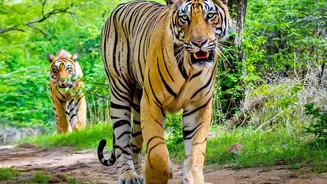
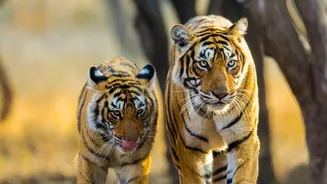
The results have been nothing short of remarkable. In Sariska, the population grew from zero in 2005 to around 30 tigers by 2023. The comeback in Panna has been even more dramatic. From zero tigers in 2009, the reserve was home to an estimated 80 tigers by 2023. The ultimate proof of success came when the reintroduced tigers began to breed. The first litter of cubs born in the wild in Panna in 2010 was a landmark moment, signalling that the animals had adapted and a self-sustaining population was taking root. Today, Panna's recovery is considered a global model for large carnivore reintroduction.