



Caring for Handmade Textiles
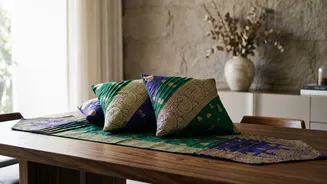
Handwoven and artisanal fabrics require a gentle touch to maintain their colour and structure. Before you begin, always check for a care label from the maker. If you're unsure of the fibre content, the safest approach is to hand-wash in cool water with
a mild, pH-neutral detergent. Plant fibres like cotton and linen are generally robust, while animal fibres like wool and silk are sensitive to heat and agitation, which can cause shrinking or felting. For the first few washes, clean items separately to check for any dye bleeding. Avoid scrubbing or wringing the fabric; instead, gently squeeze the water out. Whenever possible, skip the wash altogether and simply air out pieces to refresh them. To dry, press out excess water by rolling the item in a clean towel, then lay it flat in a shaded area, as direct sunlight can cause colours to fade.
Keeping Pottery Pristine
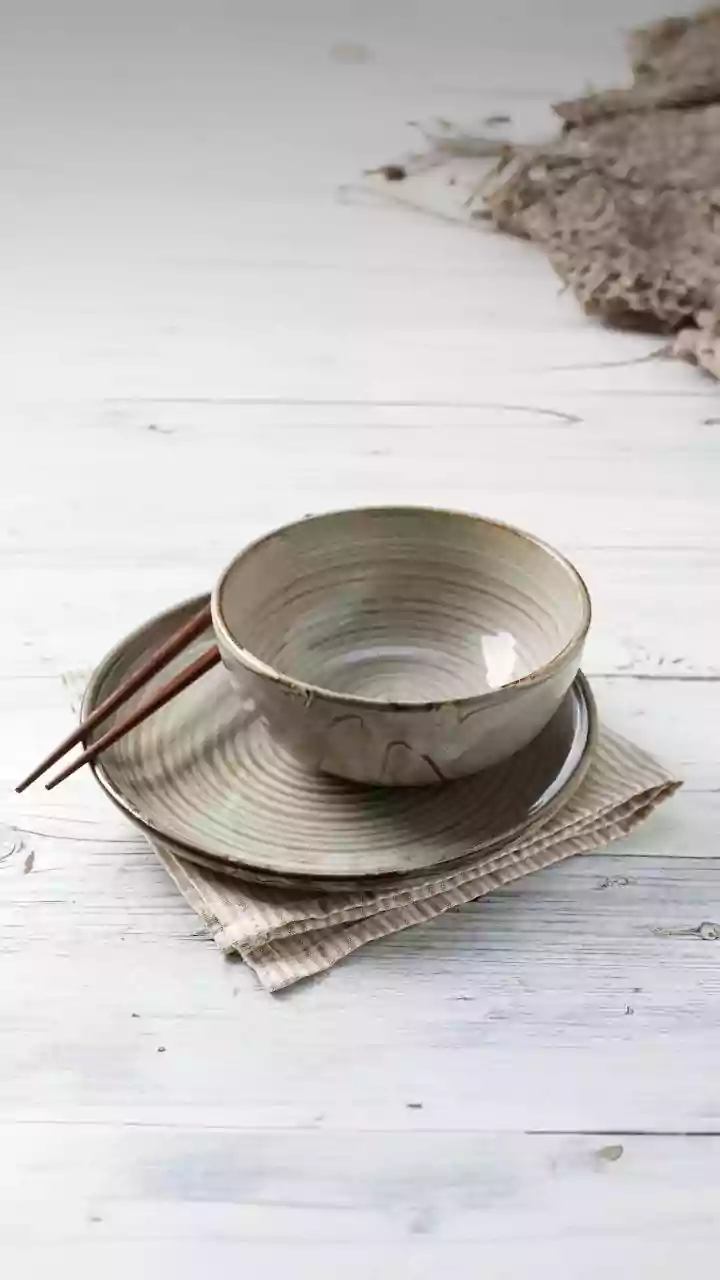
The right way to clean handmade pottery depends on its surface. Glazed pottery, which has a glass-like coating, is the easiest to care for. Simply wipe it with a soft, damp cloth and a bit of mild soap. Avoid abrasive sponges or harsh cleaners that can scratch the glaze over time. Unglazed pottery, such as terracotta or bisque ware, is porous and can absorb water, oils, and soap. For these pieces, you should never use detergent, as it can seep into the clay and leave a soapy residue. Instead, use a soft, dry brush to remove dust. If a deeper clean is needed, use plain hot water and a stiff brush, then allow the piece to air dry completely for a day or two before storing it. A major risk for any ceramic piece is thermal shock—a sudden, extreme temperature change. Never take a pot from the refrigerator and place it in a hot oven, or submerge a hot dish in cold water, as this can cause it to crack.
Preserving Wooden Decor
Handmade wooden items bring natural warmth to a home, but they are susceptible to environmental changes. The biggest enemies of wood are excess moisture and direct sunlight. Humidity can cause wood to swell, while prolonged sun exposure can fade its colour and dry it out. Keep wooden decor away from sunny windows and heating vents. For regular cleaning, dusting with a soft, dry microfiber cloth is best. For intricate carvings, a soft-bristled paintbrush or a vacuum with a brush attachment can help remove dust from crevices. To revive a piece that looks dry or dull, you can nourish it with a wood conditioner or a blend of beeswax and natural oil. Apply a small amount with a clean cloth, rub it in following the grain, let it absorb, and then buff off any excess. This replenishes the wood's natural oils and adds a protective layer.