




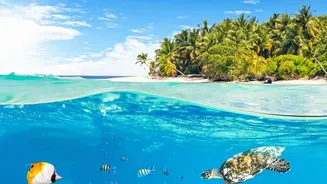
Understanding the Fragile Paradise
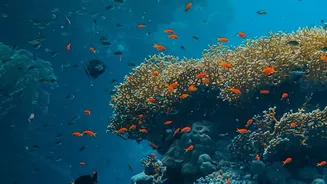
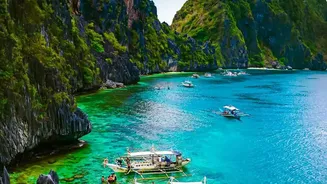
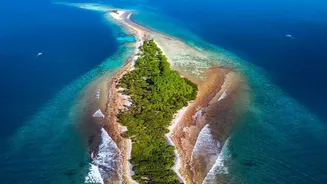
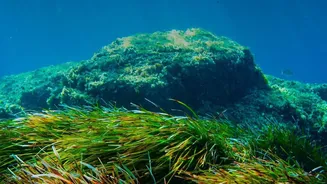
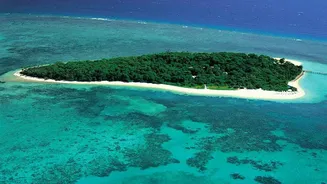
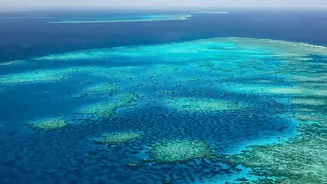
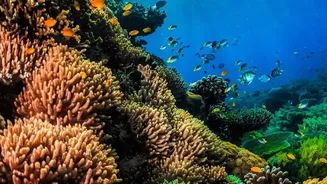
The Lakshadweep archipelago is a unique ecosystem, an intricate web of 36 coral islands, atolls, and submerged banks teeming with life. These islands are built entirely by corals over thousands of years and act as a natural barrier against sea erosion.
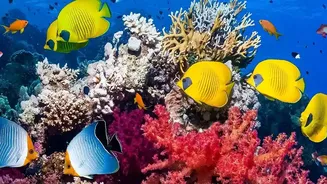
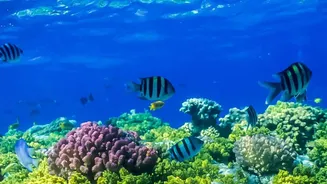
The reefs are home to over 600 species of fish, 100 species of coral, and are vital nesting grounds for sea turtles like the Green and Hawksbill. However, this vibrant world is under threat from climate change, which causes coral bleaching, and human activities. Pollution from plastics and over-tourism can quickly degrade the very environment that draws visitors in the first place, making responsible actions essential.
Leave Nothing But Footprints
One of the most significant threats to marine life is plastic. To combat this, Lakshadweep has commendably banned single-use plastics. As a tourist, you can support this initiative by being prepared. Carry a reusable water bottle and cloth bags for shopping. Refuse plastic straws and cutlery. A recent study revealed severe microplastic contamination in the waters and sediments around the islands, much of it from the breakdown of packaging materials and bottles. These tiny particles are ingested by fish and other marine organisms, working their way up the food chain. Your simple choice to avoid disposables directly reduces this pollution.
Interact with Marine Life Respectfully
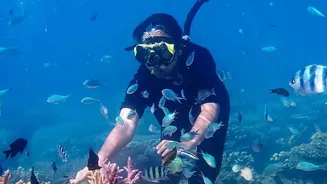
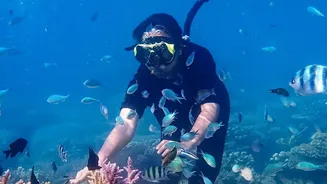
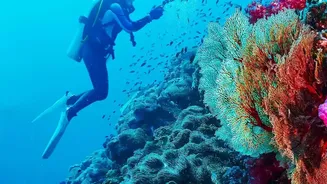
Snorkelling and diving in Lakshadweep's clear waters is an unforgettable experience. To keep it that way for future generations, a strict 'look but don't touch' policy is crucial. Corals are living animals, and touching them can damage their protective mucous layer, making them susceptible to disease and death. Never stand on or kick the coral. Furthermore, avoid chasing or feeding marine wildlife. This disrupts their natural behaviours and can make them dependent on humans. Even your sunscreen can have an impact; opt for reef-safe sunscreens that don't contain oxybenzone and octinoxate, chemicals known to harm coral.
Choose Eco-Conscious Operators
Your spending power is a tool for conservation. When booking your trip, seek out tour operators, resorts, and dive centres with clear environmental commitments. The Society for Promotion of Nature Tourism and Sports (SPORTS) is the official agency promoting eco-friendly tourism. Look for accommodations that practice rainwater harvesting, use solar power, and have robust waste management systems. By supporting businesses that prioritise sustainability, you encourage the entire industry to adopt greener practices. Ask questions before you book: How do they dispose of waste? Do they employ local guides? Do they contribute to community conservation projects?
Support the Local Community and Culture
A sustainable trip is one that benefits the local population. The people of Lakshadweep have a deep connection to the islands and are key partners in its conservation. Engage with the local culture respectfully. Buy handicrafts directly from artisans, eat at local restaurants to savour traditional cuisine rich in coconut and seafood, and consider staying in a homestay if available. This ensures that the economic benefits of tourism flow directly into the community, creating a sense of stewardship and providing livelihoods that are not solely extractive. When locals benefit from a healthy ecosystem, they become its most passionate protectors.