

From Heirlooms to High Street
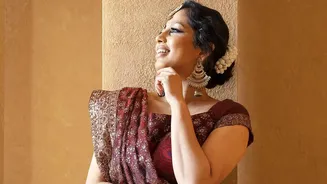
For generations, Indian handloom was synonymous with occasion wear—heavy Banarasi silks for weddings or crisp cotton sarees for festivals. These textiles were seen as precious, preserved heirlooms rather than practical daily attire. But in 2026, the narrative
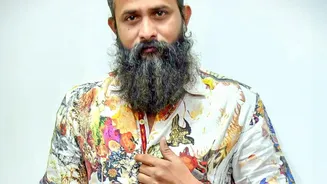
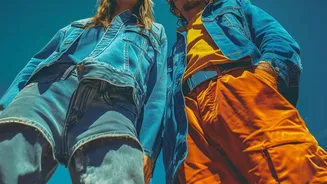
is changing dramatically. A quiet revolution is taking these intricate, handcrafted fabrics out of the closet and onto the city streets, transforming them into co-ord sets, relaxed-fit dresses, and edgy jackets. What was once admired for its traditional significance is now being celebrated for its versatility and effortless cool, particularly by a younger, style-conscious generation.
The New Weave of Designers
This transition isn't accidental; it's being driven by a wave of contemporary designers and brands who see handloom not as a museum piece, but as a canvas for modern innovation. Labels like NorBlack NorWhite, Raw Mango, and Kardo are collaborating with artisan clusters across the country, from Bengal to Kutch, to reinterpret traditional textiles. They are pairing centuries-old weaving techniques with global streetwear silhouettes. Think Pochampally Ikat patterns on bomber jackets or Bhagalpuri silks tailored into sharp, contemporary separates. The goal isn't to alter the craft but to change the context, presenting these fabrics in a way that resonates with today's generation.
Sustainability Meets Street Style
A major force behind handloom's resurgence is the growing global conversation around slow fashion and sustainability. For Gen Z and millennial consumers, who are increasingly wary of fast fashion's environmental and ethical toll, handloom offers a compelling alternative. The production process is inherently eco-friendly, using minimal electricity and often employing natural dyes. Each handwoven piece has a low carbon footprint and a rich story of human craftsmanship. Choosing to wear handloom has become a statement of conscious consumption—a way to support artisanal communities and invest in quality garments designed to last, directly challenging the 'wear once' culture of fast fashion.
The Modern Handloom Wardrobe
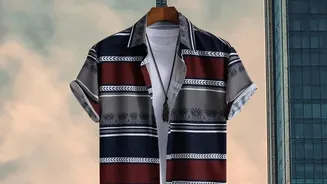
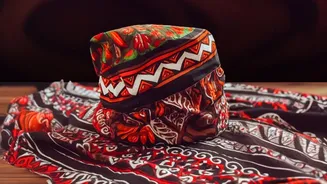
So, what does this new handloom wardrobe look like? It’s all about versatility and unexpected combinations. The graphic, bleeding-edge patterns of Ikat are now found on everything from sneakers and skirts to shirts and bomber jackets. Khadi, once the fabric of the freedom struggle, has been reimagined as 'khadi denim,' tailored into chic trousers and jumpsuits. Lightweight Chanderi and Jamdani are being crafted into breezy kaftans, tunics, and modern dresses perfect for Indian summers. Designers are even taking luxurious Banarasi silk and giving it a streetwear edge, creating jackets and co-ord sets that feel both opulent and wearable.
More Than Just a Trend
The embrace of handloom in urban streetwear is more than just a fleeting fashion moment; it represents a deeper cultural shift. For many young Indians, wearing handloom is an expression of identity and cultural pride. It’s a way to connect with their heritage on their own terms, blending tradition with a contemporary, global aesthetic. Social media has played a huge role, with influencers showcasing how to style a Jamdani sari with sneakers or an Ajrakh stole over a simple t-shirt, making the look feel accessible and personal. In a world of mass-produced goods, the unique texture and story behind each handwoven piece offer an authenticity that a factory-made garment simply cannot replicate.