




The Soul of the Sip: What is Single-Estate Tea?
Before we dive into brewing, let's understand our star ingredient. Unlike most commercial teas, which are blended from various sources for a consistent but generic flavour, single-estate tea comes from one specific garden. Think of it like a single-origin
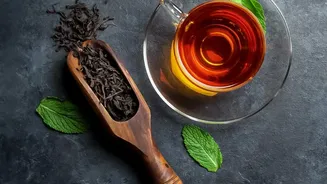
wine; you're tasting the unique 'terroir'—the specific soil, climate, and altitude—of one place. Whether it's a delicate Darjeeling from the Himalayas or a robust Assam, a single-estate tea tells the story of its origin. This purity of flavour is what makes it the perfect canvas for our cold brew creation, allowing its nuanced character to shine through.
The Cold Shoulder: Why Cold-Brewing Is Better
Brewing tea with hot water is a race against the clock. It quickly extracts flavour, but also tannins—compounds that can make tea bitter and astringent. Cold brewing, on the other hand, is a slow, gentle infusion. By steeping tea leaves in cold water over several hours, you extract all the flavour with far fewer tannins. The result is a beverage that is noticeably smoother, naturally sweeter, and less acidic. This method also tends to preserve more antioxidants and yields a lower caffeine content compared to its hot-brewed counterpart. It’s a patient process that rewards you with a cleaner, more refined taste.
The Queen of Herbs: Introducing Tulsi
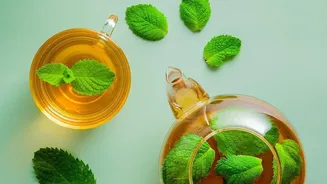
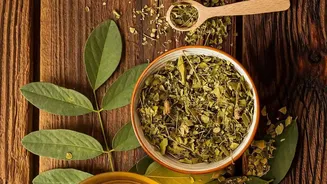
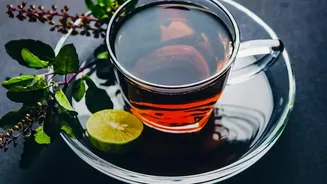
In India, Tulsi, or Holy Basil, is revered as “The Queen of Herbs.” For thousands of years, it has been a cornerstone of Ayurveda and a staple in household gardens for its wellness properties. While related to culinary basil, Tulsi is not typically used in cooking. Its flavour profile is distinct: aromatic and slightly peppery with notes of mint, clove, and sometimes citrus. There are several varieties, like the spicy Krishna (purple leaf) Tulsi and the mellow, lemony Vana (wild leaf) Tulsi, each offering a unique sensory experience. When infused, it creates a soothing, comforting drink that stands beautifully on its own.
Your Guide to Cold-Brewing Perfection
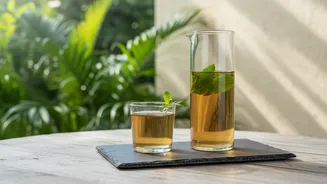
Ready to create this sublime refreshment? The process is simple and forgiving. Here’s a basic recipe to get you started: 1. Choose Your Ingredients: Select a high-quality single-estate tea. Tender green teas, light oolongs, or floral Darjeelings work wonderfully. For the Tulsi, you can use fresh leaves from a plant or good-quality dried leaves. 2. Get the Ratio Right: A good starting point is 1 to 2 tablespoons of loose-leaf tea and a small handful of fresh Tulsi leaves (or 1 tablespoon of dried Tulsi) for every litre of cold, filtered water. 3. Combine and Steep: Place the tea and Tulsi in a large glass jar or pitcher. Pour the cold water over them. You can use a large infuser or simply strain the leaves out later. 4. Be Patient: Cover the pitcher and place it in the refrigerator. Let it steep for at least 6 to 12 hours, or overnight. Unlike hot tea, cold brew is hard to 'over-steep,' so don't worry about exact timing. 5. Strain and Serve: Once steeped, strain the leaves and herbs from the liquid. Serve the cold brew over ice. It’s naturally smooth and sweet, but you can add a squeeze of lime or a touch of honey if you wish.