



The Backlash to 'More is More'
For years, the beauty world was dominated by the idea that a lengthy, multi-step skincare routine was the secret to flawless skin. Influenced heavily by the marketing around Korean beauty, consumers were encouraged to adopt complex rituals involving double
cleansing, toners, essences, serums, sheet masks, and multiple creams. However, many people found these routines to be overwhelming, time-consuming, and expensive. Beyond the practical drawbacks, a growing number of users reported that layering too many products, especially those with active ingredients, was leading to irritation, redness, and breakouts. This experience of doing 'all the right things' only to see skin health decline has led to a significant backlash against skincare maximalism.
Enter 'Skinimalism': The Less-Is-More Movement
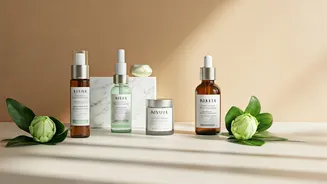
In response to the complexity, a new trend called 'skinimalism' has taken hold across social media platforms like TikTok. The term, a blend of 'skin' and 'minimalism', champions a stripped-back approach. The philosophy is simple: use fewer, more effective products that are tailored to your skin's actual needs. This isn't about neglecting your skin, but rather being more intentional. A typical skinimalist routine focuses on the non-negotiable basics: a gentle cleanser, a moisturizer, and a daily sunscreen. From there, one or two targeted treatments can be added to address specific concerns like acne or pigmentation. This approach aims to protect the skin's natural barrier, which can be compromised by an overload of products and active ingredients.
The Rise of the 'Derm-fluencer'
A major force driving this trend is the increasing visibility of dermatologists and cosmetic chemists on social media. These 'derm-fluencers' offer evidence-based advice that often cuts through marketing hype. Many consistently advocate for simplicity, emphasizing that a healthy skin barrier is the foundation of good skin. They explain that using too many active ingredients at once—like retinoids, vitamin C, and exfoliating acids—can cancel each other out or cause significant irritation. As these experts gain trust and authority online, their message of 'less is more' has resonated with consumers who are tired of confusing and often contradictory advice from beauty influencers promoting excessive product consumption.
Economic and Sustainable Sense
The move towards simpler routines is also deeply practical. With rising living costs, many people are looking for ways to cut back on spending. A 10-step routine with high-end products is a significant financial commitment, and skinimalism offers a budget-friendly alternative. Using fewer, multi-functional products is simply more economical. There is also a growing awareness of the environmental impact of consumerism. A minimalist routine means less packaging, less waste, and a more sustainable approach to beauty, which appeals to eco-conscious consumers who want their choices to align with their values.