



The Tyranny of Sweetness
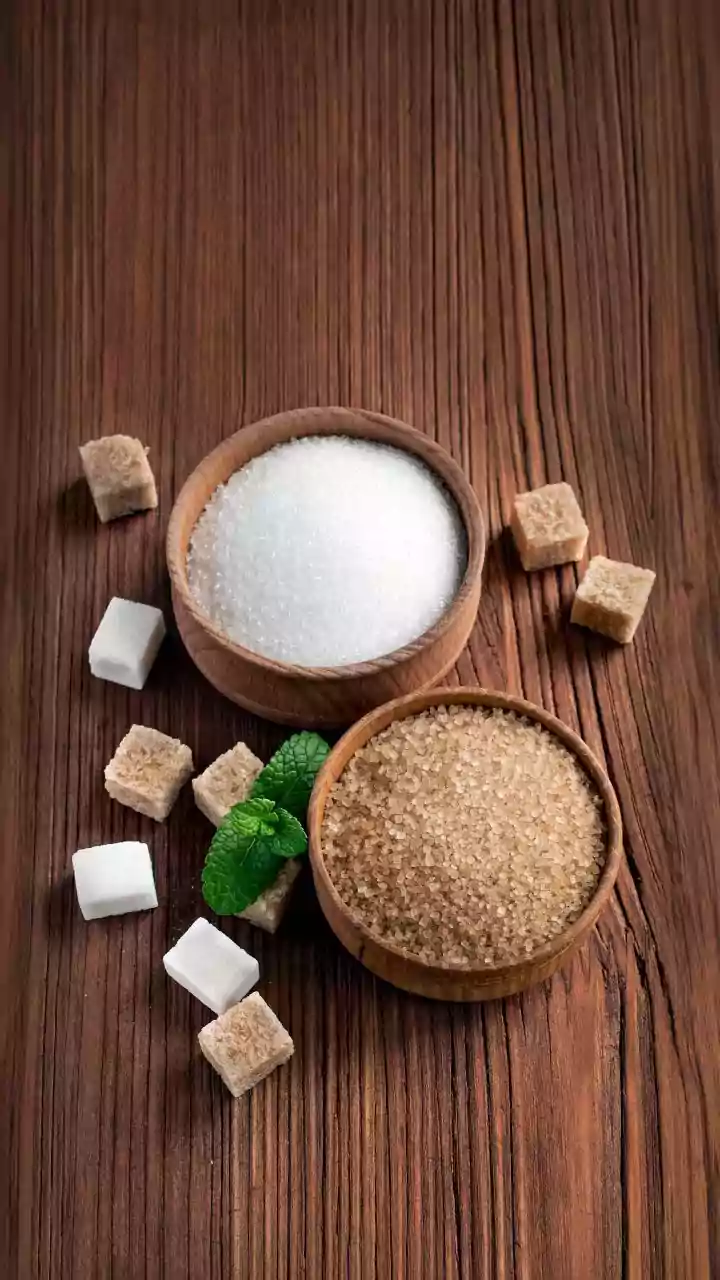
From the brilliantly red but bland supermarket tomato to fruits bred to taste like candy, our food system has prioritized sweetness above all else. For decades, agricultural breeding programs have selected for traits that favour durability, appearance,
and high sugar content. This makes sense for a global supply chain that needs produce to survive long journeys and appeal to the widest possible consumer base. The Red Delicious apple is a classic example, bred for its uniform colour and resistance to bruising, but losing much of its flavour in the process. The result is a produce aisle filled with beautiful, consistent, yet often one-dimensionally sweet items that lack the nuanced flavours their ancestors possessed. We get more sugar, but less character.
An Ancient Appreciation for Complexity
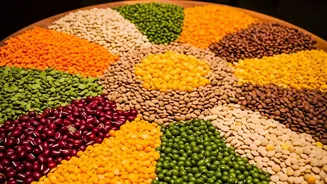
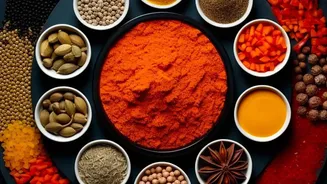
This modern obsession with sweetness overlooks a deep, cross-cultural wisdom. In India, the ancient practice of Ayurveda is built around the concept of 'Shad Rasa', or the six essential tastes: sweet (Madhura), sour (Amla), salty (Lavana), pungent (Katu), bitter (Tikta), and astringent (Kashaya). A balanced meal, according to this philosophy, should incorporate all six tastes to ensure not only physical health but also a sense of deep satisfaction. This framework celebrates complexity over simplicity. A classic dal, for instance, can artfully combine the astringency of lentils, the sourness of lemon or tamarind, the pungency of chilli, and the subtle sweetness of onions, creating a dish far more interesting than any single flavour could be on its own. This principle isn't just about meals; it's a way of understanding that every taste has a purpose.
Embracing the Bitter and Bold
Bitter is perhaps the most maligned of the six tastes, often genetically associated with a warning signal for toxins. Yet, in culinary traditions across Asia and Europe, bitterness is a cherished flavour. In Indian cuisine, ingredients like bitter gourd (karela) and fenugreek (methi) are prized for their digestive benefits and their ability to provide a complex counterpoint to other tastes. Similarly, Italian cuisine celebrates the assertive bitterness of radicchio, a chicory vegetable that comes in many varieties, from mildly bitter to intensely so. These foods are rich in beneficial compounds like antioxidants and polyphenols. Embracing bitterness isn't about enduring unpleasantness; it's about acquiring a taste for depth and discovering a new dimension of flavour that makes every other element of a dish more vibrant.
The Power of Sour
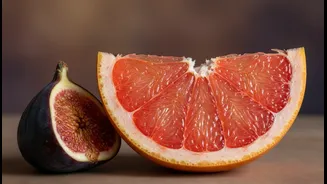
Like bitter, sour is a flavour that modern, mass-market produce has tried to tame. Yet, acidity is fundamental to deliciousness. Sourness, derived from ingredients like tamarind, raw mango (kaccha aam), and citrus, is pivotal in Indian regional cuisines. It cuts through richness, brightens earthy flavours, and adds a refreshing tang that makes food feel alive. Consider the heirloom tomato. Unlike its supermarket counterpart, an heirloom variety like a 'Cherokee Purple' or 'Green Zebra' isn't just sweet; it has a pronounced acidity and a complex aromatic profile that can evoke hints of smoke or spice. These tomatoes haven't been bred for uniformity but have been passed down for their exceptional, and often tangy, taste. The flavour is a complete experience, where sweetness is just one note in a much larger symphony.
How to Find the Interesting Ones
Retraining your palate away from a singular focus on sweetness is a rewarding journey of discovery. Start at your local farmers' markets. Talk to the growers and ask them what’s tasting interesting, not just what's sweet. Be adventurous and try vegetables that look unfamiliar. Sample different varieties of the same fruit; you might find you prefer a tarter, more aromatic mango over the purely sweet one. In your own cooking, experiment with adding a touch of bitterness with leafy greens or a squeeze of lemon to finish a dish. You will notice how these additions don't just add their own flavour, but they also enhance the other flavours present, creating a more balanced and satisfying whole. It’s about seeking out character, not just chasing a sugar rush.