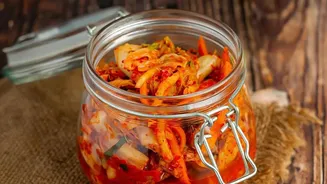


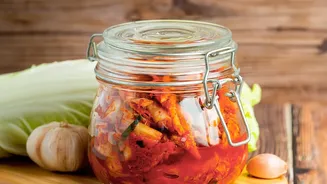
A Renaissance of Bubbling Jars
Long before kombucha became trendy or probiotics became a buzzword, Indian households practiced the art of fermentation as a way of life. From the sour tang of a well-risen dosa batter to the sharp bite of a homemade pickle, fermentation was the cornerstone
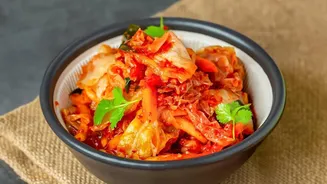
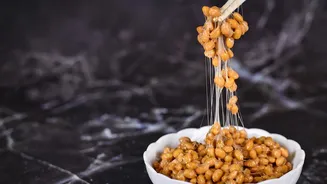
of preservation and flavour. Today, a new generation is rediscovering this tradition, not just for nostalgia, but for its profound health benefits and culinary depth. This revival sees urban kitchens and modern chefs embracing age-old techniques, treating fermentation as both a craft and a science to create foods that are both delicious and deeply nourishing.
The Monsoon-Microbe Connection
There's a specific reason this comeback is so pronounced during the rainy season. The monsoon, with its high humidity and ambient warmth, creates the perfect environment for beneficial microbes to thrive. What was once a challenge for food storage becomes an opportunity for fermentation. Traditionally, this was a way to preserve vegetables and extend their shelf life when fresh produce was scarce or risky. Furthermore, the rainy season often brings a spike in digestive issues and infections. Fermented foods, rich in probiotics, are a natural way to bolster gut health and boost immunity, making them an essential part of a monsoon diet.
More Than Just Achar and Dahi
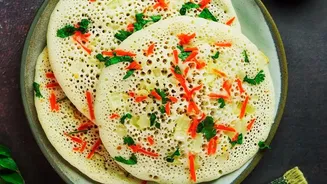
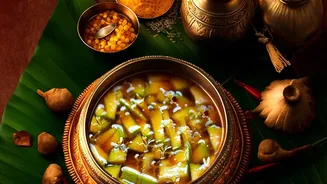
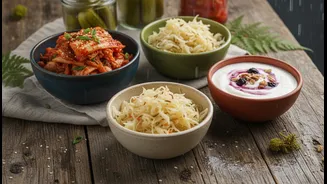
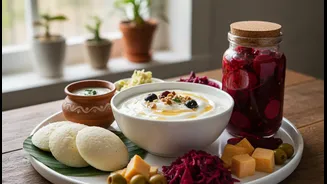
While curd (dahi) and pickles (achaar) are the most famous of India's fermented foods, the tradition is incredibly diverse. This revival is shining a light on regional gems that offer a spectrum of flavours and benefits. In North India, there is Kanji, a tangy, probiotic drink made from black carrots or beetroot, fermented with mustard seeds. In the East, Panta Bhat or Poita Bhat—fermented rice—is a traditional, cooling dish prized for its gut-friendly properties. The fermented batters for South Indian staples like idli and dosa are known to improve digestibility. Even the Himalayan regions have treasures like Gundruk, a fermented leafy green vegetable.
The Science of Gut Wellness
The magic of fermentation lies in probiotics—live beneficial bacteria that support a healthy gut microbiome. A balanced gut is crucial not just for digestion, but for overall well-being, including a strong immune system and even mental health. The fermentation process breaks down complex compounds in food, making nutrients easier for our bodies to absorb. Studies have shown that a diet rich in fermented foods can increase microbial diversity in the gut and decrease markers of inflammation. This ancient practice, therefore, aligns perfectly with modern scientific understanding of nutrition and health.
Starting Your Fermentation Journey
Embracing this trend doesn't require complex equipment. One of the easiest and most rewarding ferments to start with is Kanji. Simply place sliced carrots or beetroots in a clean glass jar with water, salt, and crushed mustard seeds. Leave it in a warm spot for a few days until the water turns cloudy and develops a tangy taste. You've just made a delicious, homemade probiotic drink. Remember to use clean jars and trust your senses—a good ferment should smell pleasantly sour, never foul. This simple act of bottling the season is a powerful way to connect with your food and an enduring culinary heritage.